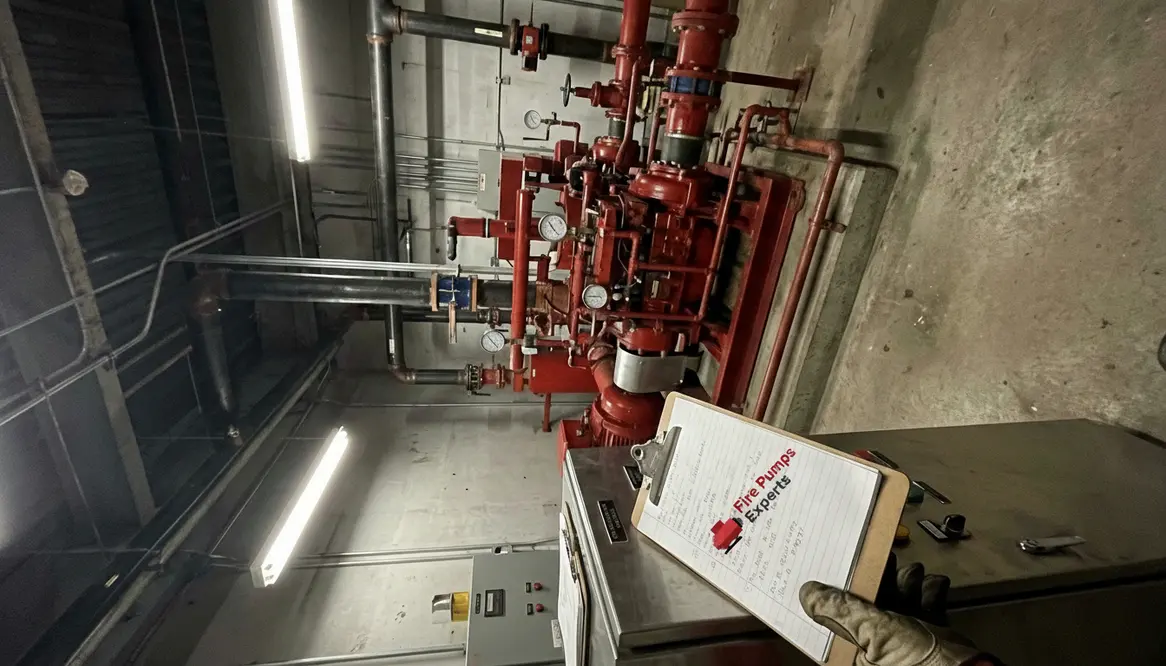
Fire Pump Readiness Guide for Commercial Buildings
Turning quiet mechanical rooms into confidently prepared fire pump rooms, one inspection at a time.
I have spent years walking through mechanical rooms that hum like quiet engines of responsibility. And if there is one thing I never take lightly, it is fire pump readiness. In large commercial and industrial buildings, this is not just another item on a checklist. It is the difference between a controlled incident and a headline. So today, I want to slow things down and walk you through what truly matters, with a calm eye and maybe a small chuckle or two, because let’s be honest, even life safety systems deserve a little personality.
Why this guide matters
If you manage commercial or industrial buildings, fire pump readiness is your silent partner in every emergency plan. When sprinklers open and standpipes are charged, this is the heartbeat that keeps water moving where it has to go.
What you will walk away with
By the time you are done here, you will see how mechanical checks, testing habits, smart technology, and strong documentation work together to create true fire pump readiness, not just box-checking compliance.
What fire pump readiness really means in real buildings
When I talk about fire pump readiness, I am not talking about a pump that simply exists. I am talking about a system that responds instantly, performs under pressure, and holds steady when everything else is chaos. In other words, it shows up like the hero in the third act, not the extra who forgot their line.
First, a ready system means your pump starts automatically without hesitation. Next, it delivers the required pressure and flow for your building’s design. Finally, it sustains that performance long enough to support suppression systems and fire crews.
However, readiness is not static. It changes with wear, environment, and maintenance quality. That is why I always remind facility managers that a quiet pump is not always a reliable pump. Sometimes silence just means no one has checked it lately.
The core of true fire pump readiness
- Automatic start on demand without hesitation
- Reliable pressure and flow that match your hydraulic design
- Endurance under sustained load while suppression systems and crews work
- Consistent testing, inspection, and documentation that prove performance
How I verify fire pump readiness without guessing
I do not believe in guesswork, especially when lives and assets are involved. So I rely on consistent, measurable practices that confirm system reliability.
Mechanical checks
- Inspect pump alignment and coupling condition
- Confirm no unusual vibration or heat buildup
- Check lubrication levels and bearing health
Operational checks
- Run weekly churn tests and record performance
- Verify automatic start through pressure drop simulation
- Monitor controller signals and alarm responses
Meanwhile, I always document everything. Because if it is not written down, it might as well be a campfire story. And no fire marshal enjoys those.
Documenting fire pump readiness like it matters
- Log every weekly churn test with pressures, flows, and notes
- Capture anomalies, even if the pump “seems fine”
- Keep inspection reports, work orders, and repair history together
- Use these records to spot trends long before failure
Why neglected systems fail when you need them most
Here is the uncomfortable truth. Fire pumps rarely fail during testing. They fail during real emergencies. That is because small issues stack up quietly over time.
For example, a stuck valve may not show obvious symptoms during a brief run. However, during a sustained demand, it restricts flow. Similarly, battery failures in diesel systems often go unnoticed until startup is required. And that is not the moment you want surprises.
On top of that, corrosion, scale buildup, and controller faults creep in slowly. Like a plot twist in a suspense film, you do not see them coming until it is too late. Therefore, consistent inspection is not optional. It is survival planning.
Common weak links that destroy fire pump readiness
- Partially closed or stuck valves that starve flow under load
- Undetected battery issues on diesel drivers or controllers
- Corroded piping, strainers, or fittings that choke performance
- Faulty controllers that behave during tests but fail under stress
Smart maintenance habits that keep systems ready
I have found that the best facility teams treat fire pump maintenance like a ritual. Not glamorous, but absolutely essential.
To begin with, I schedule weekly and monthly checks without exception. Then, I coordinate annual flow testing with certified professionals who understand large scale commercial systems. These are not casual walkthroughs. They are detailed performance validations.
Additionally, I keep spare parts ready for critical components. Controllers, sensors, and valves should never be a last minute scramble. Because when something fails, time is not on your side.
And yes, I train staff regularly. Even the best equipment becomes useless if no one knows how to respond. Think of it like owning a high end sports car but never learning how to drive it. Impressive, but not very helpful.
Maintenance routines that strengthen fire pump readiness
- Protect weekly and monthly inspections on the calendar like critical meetings
- Bring in specialists annually to conduct full flow tests and compare results
- Stock essential spares for controllers, sensors, and high risk valves
- Train on-site teams until basic pump responses feel second nature
How modern technology improves fire pump readiness
Now, this is where things get interesting. Technology has quietly transformed how I approach readiness.
Remote monitoring systems allow me to track pump status in real time. I can see pressure trends, detect anomalies, and respond before a minor issue becomes a major failure. It feels a bit like having a sixth sense, except it comes with dashboards instead of superpowers.
Moreover, predictive maintenance tools analyze performance data over time. They help identify patterns that humans might miss. As a result, I can act early and avoid costly downtime.
However, I never rely solely on technology. It supports my decisions, but it does not replace hands on inspections. Because at the end of the day, nothing beats actually standing in the pump room and listening to the system breathe.
Blending technology and touch for dependable fire pump readiness
- Use remote dashboards to watch for drifts in pressure and start behavior
- Lean on analytics to flag developing problems before they erupt
- Pair digital alerts with scheduled walk-throughs in the pump room
- Let human senses confirm what the data suggests, not the other way around
Are you truly prepared or just compliant?
This is the question I ask myself often. Compliance means meeting codes. Preparedness means exceeding them.
While passing inspections is important, it should not be the finish line. Instead, I treat it as the baseline. True readiness means anticipating failure points, planning for worst case scenarios, and ensuring redundancy where possible.
So I look beyond checklists. I evaluate system resilience, backup power reliability, and coordination with overall fire protection strategies. Because in large facilities, everything is connected. And one weak link can compromise the entire system.
Turning compliance into real fire pump readiness
- Use code requirements as the floor, not the ceiling
- Stress-test backup power and transfer arrangements under realistic conditions
- Review how the pump, sprinklers, standpipes, and alarms support each other
- Close gaps with clear procedures and training, not just paperwork
Need help elevating your fire pump program?
If your team wants support turning inspections and testing into rock solid fire pump readiness, consider partnering with specialists who live in this world every day. Providers like Kord Fire Protection’s fire pump service team understand large commercial systems, NFPA requirements, and the practical realities of keeping pumps dependable year after year.
FAQ: Fire Pump Readiness
What is fire pump readiness?
It means the fire pump system can start, run, and maintain required pressure and flow during an emergency.
How often should fire pumps be tested?
Weekly churn tests and annual flow tests are standard for commercial and industrial systems.
What causes fire pump failure?
Common causes include poor maintenance, battery failure, stuck valves, and controller issues.
Can remote monitoring improve reliability?
Yes, it helps detect issues early and supports proactive maintenance decisions.
Who should maintain fire pump systems?
Qualified professionals experienced with large commercial and industrial fire protection systems.
Final thoughts that move you to act
I will leave you with this. Fire pump readiness is not about reacting to problems. It is about preventing them with intention and discipline. If you manage a commercial or industrial facility, now is the time to evaluate your systems with a sharper eye. Partner with experts who understand scale and complexity. Because when the moment comes, your preparation should speak louder than the alarm. And trust me, that is one performance you want flawless.