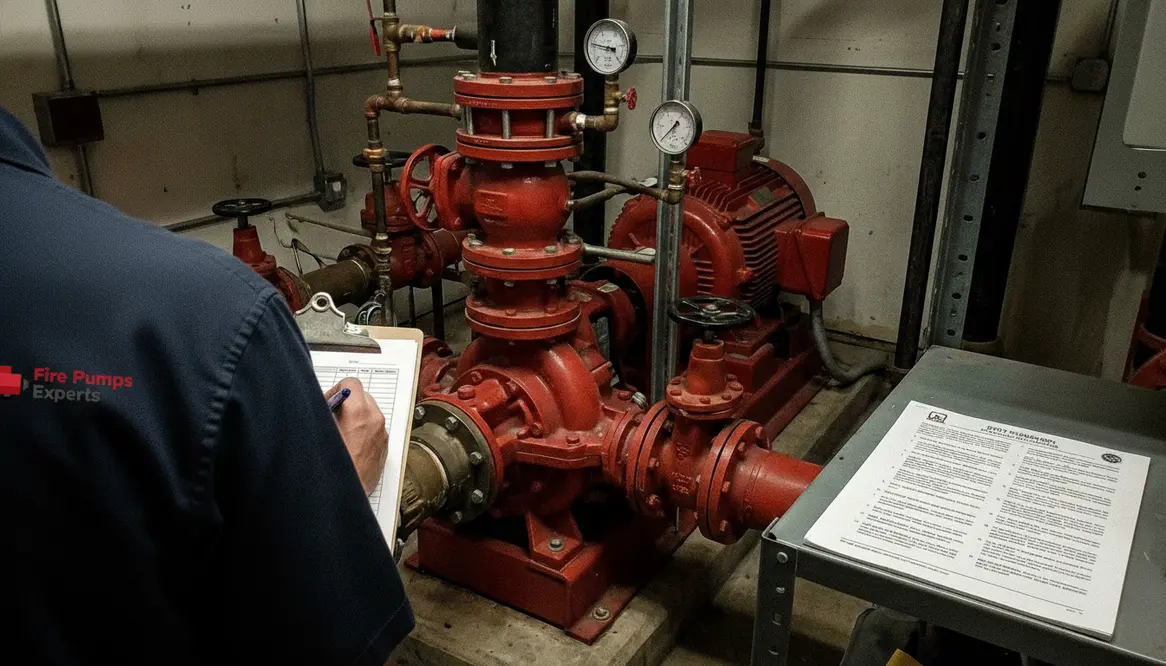
Fire Pump Regulations for US Commercial Buildings
I have spent years around commercial buildings where safety is not a luxury but a requirement. And when we talk about fire pump regulations, we are not just checking boxes. We are protecting assets, livelihoods, and sometimes entire city blocks. In the United States, these rules shape how fire pumps are designed, installed, tested, and maintained in large scale facilities. So yes, while it may sound like dry code language at first, there is a quiet power behind it. Think of it like the bassline in a great song. You may not notice it right away, but without it, everything falls apart.
What rules actually govern fire pump systems in U.S. commercial buildings?
Let me answer this the way I would explain it to a building owner standing in a mechanical room. The backbone of all fire pump regulations and requirements comes from the National Fire Protection Association, especially NFPA 20. This standard lays out how pumps must be installed and perform under pressure. Then NFPA 25 steps in and says, “Alright, now keep that system working over time.”
In addition, local building codes adopt these standards and sometimes tighten them. So even though federal law sets a tone, your city or state might add its own twist. Therefore, compliance is not just about reading one document. It is about understanding how national standards and local enforcement work together.
And yes, missing a detail here is like forgetting the parachute while skydiving. Technically possible, but not recommended.
Installation standards that quietly make or break compliance
When I walk into a facility, I can tell within minutes if installation was treated seriously. NFPA 20 is very specific. Pumps must have reliable power, proper suction supply, and enough room for maintenance access. It sounds simple, but I have seen million dollar systems fail because someone treated spacing like optional seating at a movie theater.
Moreover, fire pump rooms must be protected themselves. That means fire rated construction and proper ventilation. If the room fails, the pump fails. And if the pump fails, well, you can imagine the rest.
Key Installation Focus
- Dedicated power supply or backup generator
- Correct pipe sizing and layout
- Accessible clearance for service
- Fire rated pump room construction
Common Missteps I See
- Improper suction conditions
- Blocked access paths
- Undersized controllers
- Ignoring local code add ons
So while the blueprint may look perfect, execution is where many projects drift off course.
Why testing and maintenance requirements are not optional
Here is where things get real. You can install the best system in the world, but if you ignore maintenance, it becomes a very expensive paperweight. NFPA 25 requires weekly, monthly, and annual testing depending on the component.
For example, I always emphasize the weekly churn test. It checks that the pump starts and runs without flowing water. Then there are annual flow tests that confirm the system can actually deliver the required pressure and volume.
And yes, I have heard every excuse in the book. “We tested it last year.” “It looked fine.” That is like saying you brushed your teeth once in 2022 and calling it a lifestyle.
Consistent testing ensures that when a real emergency hits, the system does not hesitate. It performs.
How local codes and inspections shape real world enforcement
Now let us talk about the human side of compliance. Inspectors. These are the folks who translate fire pump regulations into reality. Local authorities having jurisdiction, often called AHJs, interpret and enforce fire pump standards on site.
Because of this, two buildings in different cities may follow slightly different expectations. Therefore, I always recommend early coordination with local officials. It saves time, money, and a few headaches that no coffee can fix.
Additionally, documentation matters more than most people expect. Inspectors want records of tests, maintenance logs, and proof of compliance. If it is not documented, it might as well not exist.
That paper trail is what proves your system meets the intent of the code, not just the letter of it.
Design decisions that impact long term compliance
Design is not just about meeting today’s code. It is about staying compliant tomorrow. I often advise clients to think beyond minimum requirements. For instance, choosing a slightly more robust pump or adding monitoring systems can prevent future upgrades.
Also, integration with building management systems allows real time alerts. That way, issues are caught early rather than during an emergency. And trust me, discovering a failure during a fire event is the worst possible plot twist.
In large commercial and industrial facilities, these forward thinking choices pay off quickly. They reduce downtime, protect assets, and keep operations running smoothly.
If you want to see how a real-world provider aligns design, testing, and fire pump regulations, look at how full-service firms such as Kord Fire Protection applies NFPA 20 to fire pump systems. It is a good example of turning dense code language into practical, inspectable reality.
FAQ: Quick answers on fire pump requirements
Before we wrap up, here are some quick clarifications that come up constantly when people start digging into fire pump regulations for real projects.
Closing thoughts that keep your building ahead
When I look at fire pump regulations, I do not see red tape. I see a system designed to protect what matters most. If you manage a commercial or industrial property, staying compliant is not just smart, it is essential.
Take the time to review your system, test it, and keep records tight. If you want confidence instead of guesswork, partner with professionals who live and breathe this work. Because when the moment comes, your system should not just respond. It should perform flawlessly.
In the end, the buildings that age gracefully are the ones where owners, designers, and contractors treat fire pump regulations as the bassline of the safety strategy: always there, always steady, and absolutely essential for keeping the whole performance together.