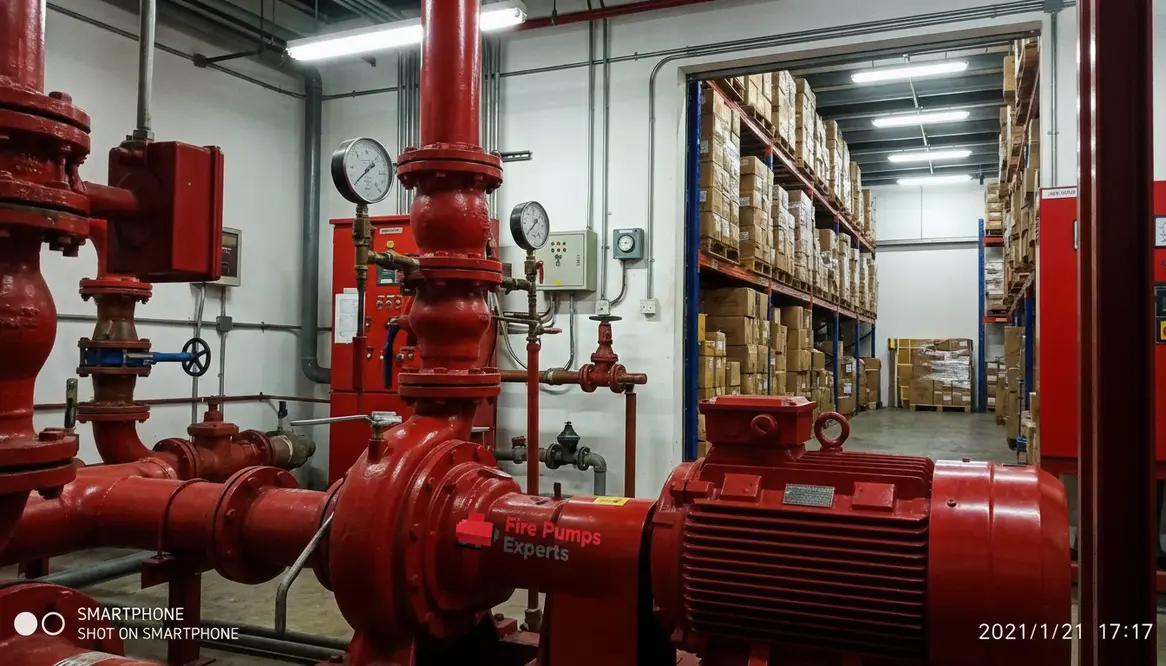
Fire Pump Reliability After Warehouse Storage Changes
When I look at a warehouse that has changed how it stores product, I do not start with the forklift traffic or the new shelf layout. I start with the warehouse fire sprinkler requirements, the fire pump capacity, and the way high piled storage now affects water demand. Big storage changes can turn a once stable fire protection setup into a system that suddenly feels under pressure. And yes, pressure is the whole point, which is funny until it is not. In a commercial or industrial facility, I want the fire pump to do its job without drama, because the fire does not care about your latest re rack project.
Below, I break down how I check reliability after major storage changes, what I look for, and why small adjustments can protect a very large building from a very large headache.
How I check the new storage layout
First, I study the new storage pattern. If the warehouse moved from low pallet stacks to taller racks, or from mixed goods to dense cartons, the fire load changes fast. That means the original design may no longer match current risk. I compare the new setup against the approved storage plan, then I check whether the sprinkler system still covers the highest stored commodity and the tallest arrangement.
Next, I review ceiling height, aisle width, rack type, and commodity class. These details matter because they shape how heat builds and how water reaches the fire. A neat rack map might look calm on paper, but fire protection likes facts, not vibes. If storage now qualifies as high piled storage, I treat that as a serious flag and I verify whether the system still meets the expected demand.
Why fire pump capacity must match the new demand
Once storage changes, I check fire pump capacity against the revised hazard. If the building now stores more product, stacks higher, or places wider loads in one bay, the system may need more water for longer. A pump that worked well before may still run, but it may no longer deliver enough flow at the right pressure when the building truly needs it.
Here is where I stay practical. I look at the pump curve, the water supply, and the system loss through the piping. I also check whether the demand from the sprinklers plus hose allowance still stays inside the pump’s usable range. If not, I know the system needs review before anyone turns the warehouse into a tower of cardboard dreams.
What I inspect after major storage changes
First column
Storage height and rack spacing
Commodity type and packaging
Sprinkler clearance above stored goods
Valve status and alarm signals
Second column
Pump start performance
Suction supply and tank level
Main drain results
Test records and maintenance logs
I also test the control equipment because reliability is never only about the pump. It is about the full chain. If one valve sticks, one sensor fails, or one alarm does not report, the system can stumble at the worst time. I want the pump to start quickly, hold pressure, and support the sprinkler system under real demand. That is the kind of calm I like in a warehouse: the kind that survives an actual emergency.
How I reduce risk before a problem grows
After a major change, I do not wait for a failure to tell me the truth. I update the fire protection review, confirm the current storage layout, and schedule testing based on the new risk. If the warehouse now stores more fuel, more plastic, or more dense goods, I treat the site as a living system, not a fixed drawing from three years ago.
I also make sure the team knows the new limits. That includes storage height, rack spacing, and blocked clearance rules. A lot of fire trouble starts with one simple habit: “We can fit just one more pallet.” That phrase has caused more stress than a season finale on a streaming show. So I push for clear rules, regular checks, and fast correction when storage shifts again.
For facilities that need a deeper service review, I often point people to Los Angeles fire pump service for a local perspective on system readiness, especially when major warehouse changes have altered the demand profile. I also keep an eye on broader facility support through industrial electrical and fire protection solutions and Australian warehouse sprinkler support when multi site operations need aligned standards. Those references help me compare best practice across different property types and keep the system honest.
FAQ: fast answers for warehouse managers
Here are the most common questions I get after storage updates, especially when warehouse fire sprinkler requirements, fire pump capacity, and high piled storage change the real-world demand.
Fast answers
Conclusion
If your warehouse has changed storage height, product type, or rack layout, I recommend a full fire protection review now, not later. Reliable protection depends on current conditions, not old assumptions. I would rather verify the system today than explain a failure tomorrow. So if your facility serves commercial or industrial storage, take the next step, review the design, test the pump, and confirm the sprinkler system still fits the building you actually have.