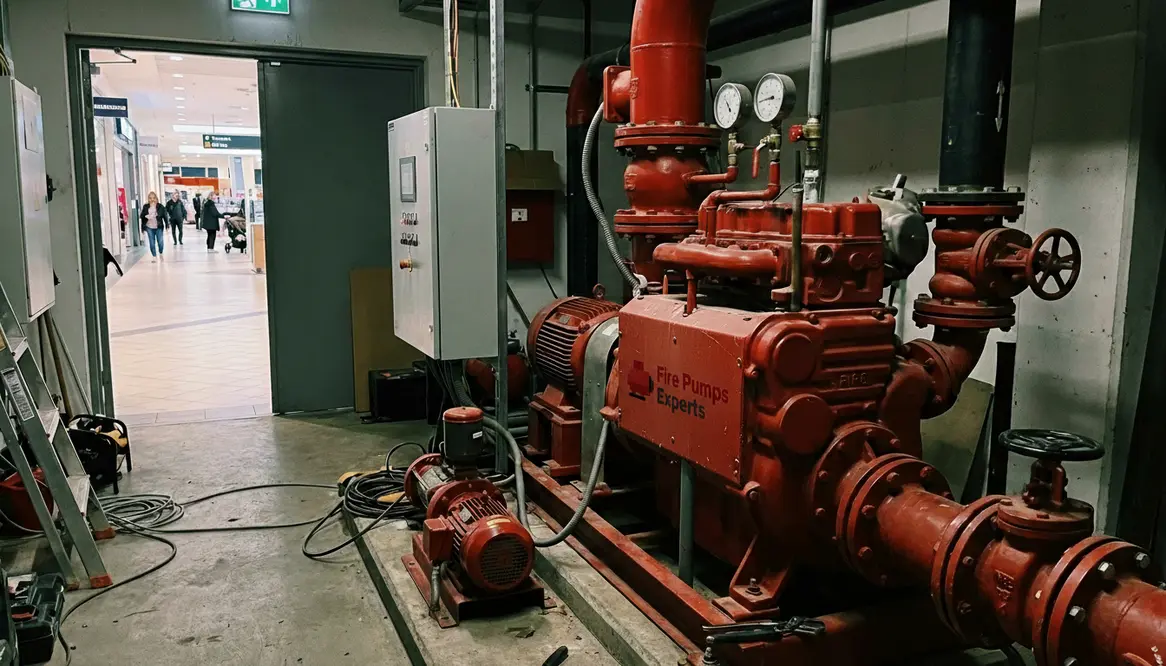
Fire Pump Requirements for Shopping Centers
I have spent years around fire protection systems, and if there is one thing I have learned, it is this: when water needs to move, it had better move fast and with purpose. While I often discuss assisted living fire pumps and their critical role in protecting vulnerable residents, the same level of precision and reliability applies to shopping centers. In fact, when you gather thousands of people, dozens of tenants, and a maze of corridors under one roof, the stakes rise quickly. And trust me, fire does not care if someone is buying shoes or grabbing a pretzel.
So let’s walk through what really matters when it comes to fire pump requirements for shopping centers, with a calm voice, steady pace, and maybe a small chuckle along the way.
What fire pump requirements apply to shopping centers?
First things first, shopping centers fall under strict commercial fire protection codes. Therefore, I always look to standards like NFPA 20 for fire pump installation and NFPA 13 for sprinkler systems. These are not suggestions. They are the rulebook.
Most large retail complexes require fire pumps when municipal water pressure cannot meet system demand. And let me tell you, that happens more often than you might think. Big box stores, anchor tenants, and multi level malls demand serious water flow.
Typically, I ensure the system can handle:
- High flow sprinkler demand across multiple zones
- Standpipe systems for firefighter access
- Redundancy for reliability
In other words, the fire pump becomes the heartbeat of the entire system. Without it, everything else is just expensive decoration.
Designing for scale without overcomplicating the system
Now, here is where things get interesting. Shopping centers are not simple boxes. They are sprawling ecosystems. Therefore, I focus on designing systems that scale without turning into a tangled mess.
First, I evaluate the building layout. Open atriums, long corridors, and hidden service areas all affect hydraulic demand. Then, I match the pump capacity to the worst case scenario. Because if you design for average, you will fail under pressure. Literally.
Additionally, I often recommend electric fire pumps for reliability, but diesel units still play a role when backup power is uncertain. It is a bit like choosing between Batman and Superman. Both get the job done, but the environment decides who shows up.
And while I have seen systems inspired by assisted living fire pumps design strategies, shopping centers require a more aggressive approach due to higher occupant loads and varied fire risks.
Key components that keep everything running smoothly
Pump controller
This is the brain. It starts the pump automatically when pressure drops.
Reliable power source
Without power, even the best pump becomes a very expensive paperweight.
Jockey pump
This small pump maintains pressure and prevents unnecessary starts.
Test header
I use this to verify performance without guessing.
Backflow prevention
Keeps the water supply clean and compliant.
Alarm integration
Because silence is not golden during a fire.
Each component plays its role. Together, they form a system that responds instantly. No hesitation. No drama. Just action.
Balancing code compliance with real world performance
Here is a truth that does not always make it into brochures. Passing inspection is not the same as being prepared. I have seen systems that check every box yet struggle under real demand.
So, I go beyond minimum requirements. I look at flow testing, pressure margins, and future expansion. Shopping centers evolve. Tenants change. Layouts shift. Therefore, the fire pump system must adapt without needing a complete overhaul.
Moreover, I coordinate closely with engineers, contractors, and facility managers. Because when communication fails, systems fail. And nobody wants that kind of surprise.
Compared to systems like assisted living fire pumps, retail environments require more flexibility. The risks are less predictable, and the system must respond to a wider range of scenarios.
Maintenance is where most systems quietly fail
Let me say this plainly. A fire pump that is not maintained is a liability. Not a backup plan.
Even the best system needs regular testing. Weekly churn tests, annual flow tests, and routine inspections are essential. And yet, this is where many properties cut corners. I get it. Maintenance is not glamorous. It does not draw a crowd like a grand opening.
But when something goes wrong, that neglected pump becomes the star of the show. And not in a good way.
So I always advise property managers to treat maintenance as part of operations, not an afterthought. Because reliability is built over time, not in a moment of crisis.
If you manage assisted living fire pumps or retail fire protection side by side, the lesson is the same: testing and maintenance are the quiet heroes that keep the entire strategy from collapsing when the alarm sounds.
FAQ
Connecting shopping centers and assisted living fire protection
On the surface, a bustling mall and a quiet senior residence could not be more different. Yet both rely on carefully engineered water supplies, clear egress paths, and dependable fire pumps to protect people who may not be able to self-evacuate quickly.
In many projects, I have seen design teams borrow lessons from assisted living fire pumps and apply them to retail sites. The emphasis on reliability, clear monitoring, and intuitive controls translates well. Then we layer in the added complexity of large crowds, seasonal merchandise, kiosks in atriums, and multi-story anchor stores.
The key idea is simple: whether we are talking about assisted living fire pumps or the pumps protecting a regional mall, the system must work under stress, not just on paper. That mindset keeps design decisions grounded in real outcomes instead of checklists alone.
Final thoughts and next steps
When I look at a shopping center, I do not just see stores. I see a complex system that depends on fast, reliable fire protection. A well designed fire pump setup protects people, property, and business continuity. If you are planning, upgrading, or questioning your current system, now is the time to act. Reach out, evaluate your setup, and make sure your fire pump is ready to perform when it matters most.
For deeper technical references, resources like https://firepumps.org can help guide discussions with your design team, contractors, and local authorities.