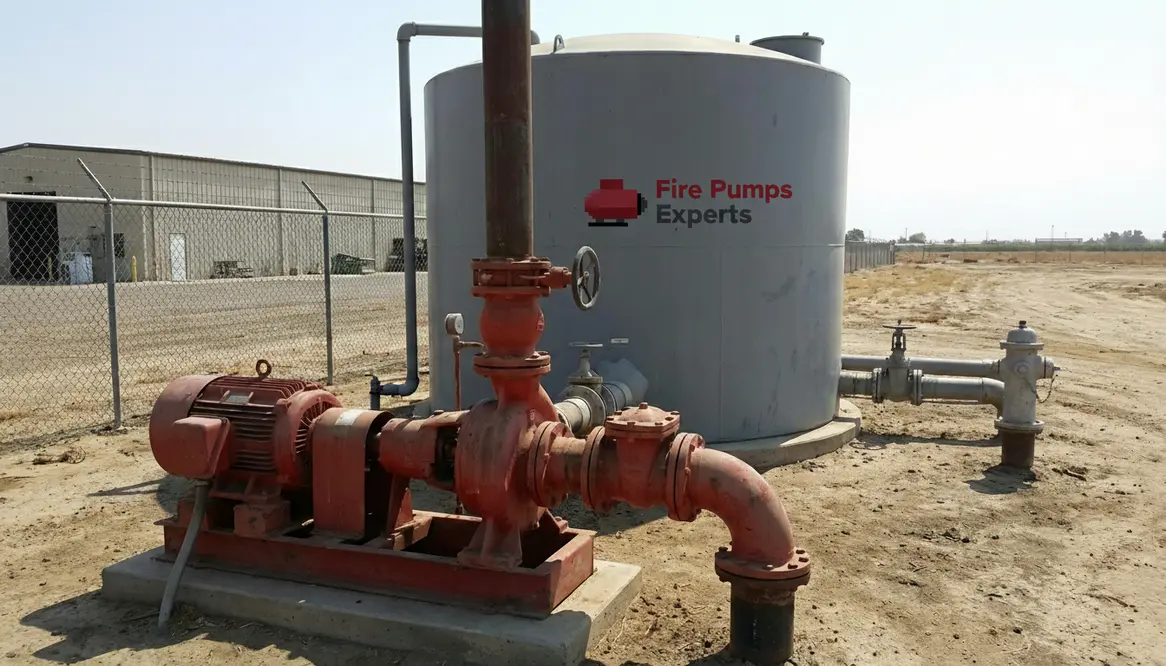
Fire Pump Selection Water Source Fresno Industrial
I have spent years walking industrial sites across California, and if there is one thing Fresno has taught me, it is this: water does not behave the same way twice. That is exactly why fire pump selection water source Fresno industrial is not a box you check. It is a decision you live with. In facilities where seconds matter and pressure defines outcomes, choosing the right pump based on your water source is less about preference and more about survival. And yes, like any good story, the ending depends heavily on the beginning… in this case, where your water comes from.
Understanding Water Sources in Fresno Industrial Environments
First, let me set the stage. Fresno industrial sites often rely on a mix of municipal supply, on site storage tanks, wells, or even surface water. Each source brings its own personality. Some are reliable but limited. Others are abundant but unpredictable.
For example, municipal systems offer convenience. However, they may not deliver consistent pressure during peak demand or emergencies. Meanwhile, groundwater wells can provide independence, yet they often fluctuate with seasonal conditions. Therefore, I always evaluate not just availability, but consistency. Because a fire pump that works perfectly on Tuesday morning should not panic like a rookie on its first day when demand spikes.
In addition, water quality matters. Sediment, minerals, and debris can quietly sabotage pump performance. So, while the source looks fine on paper, reality may tell a different story.
How I Approach Fire Pump Selection Water Source Fresno Industrial
Now, when I approach fire pump selection water source Fresno industrial, I do not start with the pump. I start with the water. It sounds obvious, yet you would be surprised how often people reverse that logic.
I ask three simple questions right away:
- Is the supply reliable?
- Can it meet peak demand?
- Does it stay consistent under stress?
Then, I match the pump type accordingly. For instance, if I am working with a pressurized municipal source, I often lean toward horizontal split case pumps. They handle steady flow well and offer durability. On the other hand, if the site depends on a storage tank, vertical turbine pumps step into the spotlight. They thrive when pulling water from below grade.
And yes, choosing the wrong type is a bit like casting the wrong actor in a blockbuster. You can try to make it work, but deep down, everyone knows something feels off.
Choosing the Right Pump Type for Each Water Source
Let us break it down further, because details matter here.
Municipal Supply
I typically select horizontal split case or inline pumps. These systems benefit from stable suction conditions. However, I always verify pressure margins, since city systems can dip when demand spikes.
Storage Tanks
Here, vertical turbine pumps shine. They pull water efficiently even when levels fluctuate. In Fresno, where storage tanks are common in industrial zones, this setup often becomes the backbone of fire protection.
Groundwater Wells
This is where things get interesting. Submersible or vertical turbine pumps work best, but I pay close attention to drawdown rates. Because if the well cannot keep up, the pump becomes an expensive paperweight.
Surface Water Sources
While less common, canals or reservoirs require pumps that can handle debris. لذلك, I consider filtration and material durability as part of the equation.
As a result, the pump is never the hero alone. It is part of a system that must work together under pressure, literally. That is why every decision around fire pump selection water source Fresno industrial needs context, testing, and a healthy respect for how unpredictable water can be when it is needed most.
What Industrial Owners Ask Me About Pump Selection
I hear the same questions often, so let me answer them plainly.
“Can I oversize the pump just to be safe?”
You can, but it often creates inefficiency and system stress. Bigger is not always smarter.
“Is one pump type more reliable than others?”
Reliability depends on matching the pump to the water source. A perfect pump in the wrong setting will fail faster than a mediocre one in the right place.
“Do I need redundancy?”
Yes, especially in large industrial facilities. Because downtime during a fire event is not a conversation you want to have later.
Side by Side View of Pump Choices and Water Sources
When you see it laid out like this, the logic becomes clear. However, real world conditions still demand adjustments. Therefore, I always validate these choices against site specific data and the realities of fire pump selection water source Fresno industrial, not just what looks tidy in a table.
|
Water Source Municipal Supply Storage Tank Groundwater Well Surface Water |
Recommended Pump Type Horizontal Split Case Vertical Turbine Submersible or Vertical Turbine End Suction with Filtration |
Common Mistakes I See in Fresno Facilities
Now, let me be honest. I have seen some things. Not quite reality TV levels of chaos, but close.
One major mistake is ignoring seasonal variation. Fresno summers can push water demand higher, while groundwater levels shift. As a result, systems that worked fine in spring suddenly struggle.
Another issue is underestimating friction loss. Long pipe runs and complex layouts reduce pressure more than expected. Consequently, pumps fail to deliver required performance.
Finally, some facilities treat fire pumps like install and forget equipment. That is a dangerous mindset. These systems need testing, maintenance, and periodic review.
Think of it like a classic car. It looks great parked, but if you never start it, do not expect it to perform when you finally turn the key. The same is true for fire pump selection water source Fresno industrial: if you do not respect how your source behaves over time, you end up trusting a system you have never really proven.
FAQ Quick Answers
Some questions come up so often around fire pump selection water source Fresno industrial that it is worth putting the essentials in one place.
Final Thoughts and Next Steps
Choosing the right system is not guesswork. It is a calculated decision rooted in understanding your water. If you are planning or upgrading, I recommend evaluating your source first, then aligning your pump strategy accordingly. Work with specialists who understand Fresno industrial demands. Because when the moment comes, your system should not hesitate. It should perform exactly as designed, without drama, without doubt, and without second chances.
In the end, fire pump selection water source Fresno industrial is about more than ticking off code requirements. It is how you protect people, property, and production when everything else is going wrong. Start with the water, respect its limits, and build a pump strategy that treats pressure, flow, and reliability as non negotiable.