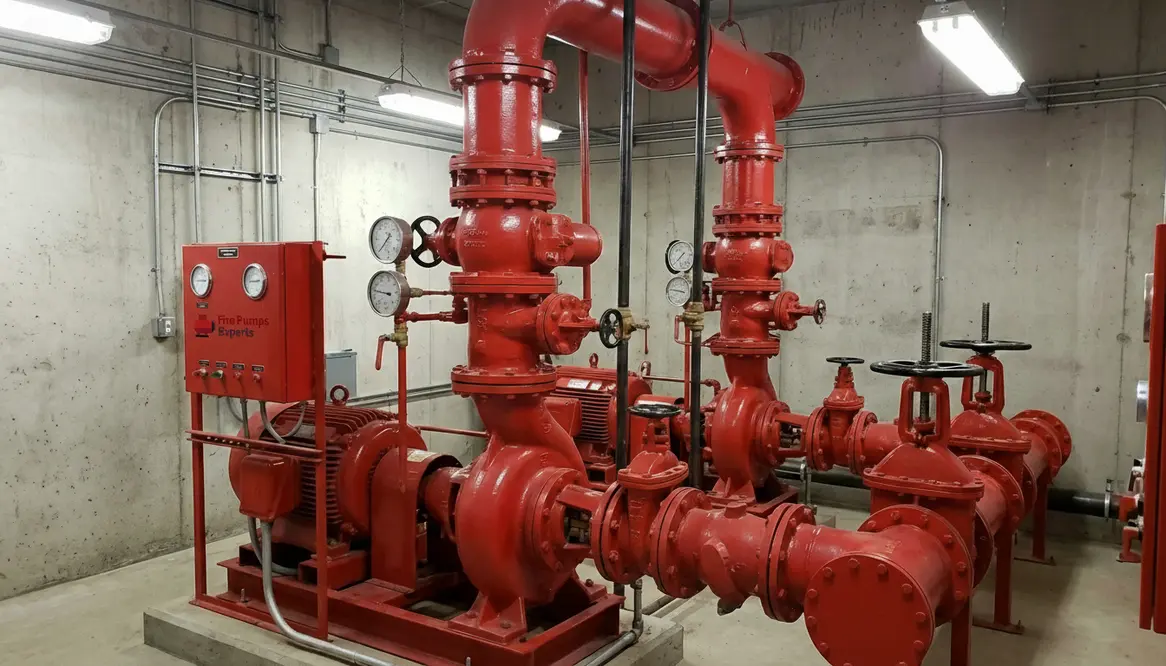
Fire Pump Systems for County Office Buildings Guide
I have walked through enough government buildings to know one thing for certain. They are built to last, but not always built to react. Paperwork moves slowly. Fire does not. That is why I always bring up Fire Pump Systems for County Office Buildings early in any safety conversation. These systems are not flashy. They do not make headlines. Yet, when things go wrong, they become the quiet heroes behind the walls.
So let me walk you through what actually matters when we talk about fire safety in government administrative buildings. And yes, I promise to keep it more engaging than a three hour zoning meeting.
What makes fire safety in government buildings unique?
Government administrative buildings operate differently from most commercial spaces. They house critical records, sensitive data, and a steady flow of employees and visitors. Because of this, fire safety is not just about evacuation. It is about continuity.
First, these buildings often have aging infrastructure. While the architecture may look grand, the internal systems sometimes lag behind modern standards. Second, occupancy fluctuates. A quiet morning can quickly turn into a crowded public hearing by noon.
Therefore, fire protection must adapt in real time. I always stress layered protection. Detection systems, suppression systems, and clear evacuation protocols must work together like a well rehearsed orchestra. If one section misses a beat, the entire performance suffers.
And let us be honest. No one wants to explain to the public how a preventable fire took down the records office. That is not the kind of press release anyone enjoys writing.
Fire Pump Systems for County Office Buildings and why they matter
Now we get to the backbone of fire suppression. Fire Pump Systems for County Office Buildings ensure that water moves where it is needed, when it is needed, at the right pressure. Without them, even the best sprinkler system can fall short.
In large administrative facilities, water supply alone is rarely enough. Pumps step in to boost pressure across multiple floors, long corridors, and complex layouts. This becomes critical during peak demand or when municipal supply drops.
I have seen buildings rely on outdated or undersized pumps. It is like trying to fight a wildfire with a garden hose. Technically water is involved, but the outcome is not encouraging.
Modern systems offer reliability through redundancy. Backup power, automated activation, and real time monitoring ensure that the system responds instantly. Because in a fire, hesitation is not a strategy.
How do I plan a fire safety strategy for large administrative facilities?
I start with risk mapping. Every building has unique vulnerabilities. Record storage rooms, server areas, and public assembly spaces each demand specific attention. From there, I design a system that addresses both prevention and response.
Aligning detection with suppression
Next, I align detection with suppression. Smoke detectors, heat sensors, and alarm systems must trigger the appropriate response without delay. Then, I integrate pump supported sprinkler networks to ensure coverage remains consistent across the building.
Training, drills, and real behavior
Training is where many plans fall apart. Staff must know what to do. Not in theory, but in practice. Regular drills turn confusion into muscle memory. And yes, people will joke during drills. That is fine. They stop joking when it becomes real.
Finally, I review compliance. Local codes evolve, and government buildings must lead by example. Staying current is not optional. It is part of public trust.
Key components that keep everything running smoothly
Detection Systems
Early warning saves lives and limits damage. Advanced sensors can pinpoint issues before flames spread.
Suppression Networks
Sprinklers and standpipes must deliver consistent coverage across all zones.
Emergency Power
Backup generators ensure systems function even during outages.
Pump Infrastructure
High capacity pumps maintain pressure where municipal supply cannot.
Control Panels
Centralized controls allow quick system monitoring and adjustments.
Maintenance Protocols
Routine inspections prevent small issues from becoming major failures.
When these components work together, the building becomes resilient rather than reactive. And that is the goal.
Avoiding common mistakes that cost time and money
I have seen patterns over the years, and they are surprisingly consistent. First, people underestimate system testing. Installation is only half the job. Without regular testing, even the best equipment becomes a question mark.
Second, there is a tendency to delay upgrades. Budget cycles can stretch decisions out, but fire risk does not wait for approval. Investing early often saves far more in the long run.
Third, coordination between departments can break down. Facilities teams, safety officers, and administrators must stay aligned. Otherwise, gaps appear. And fire, much like a determined action hero, will find those gaps.
Lastly, documentation is often overlooked. Clear records of inspections, upgrades, and system changes ensure accountability and simplify future planning.
Fire Pump Systems for County Office Buildings in long term planning
When I look ahead, I focus on sustainability and scalability. Fire Pump Systems for County Office Buildings must grow with the facility. As buildings expand or technology evolves, the fire protection system must keep pace.
Smart monitoring is becoming a game changer. Real time data allows teams to detect inefficiencies and respond before problems escalate. It turns maintenance from reactive to proactive.
In addition, energy efficient pump designs reduce operational costs without compromising performance. That balance matters, especially in public sector budgets where every dollar is scrutinized.
Planning for the future is not about predicting every risk. It is about building systems flexible enough to handle whatever comes next.
FAQ
Final thoughts and next steps
Fire safety in government administrative buildings is not just a requirement. It is a responsibility. When I evaluate a facility, I look beyond compliance and focus on resilience. If you are managing or upgrading a property, now is the time to act. Explore modern solutions, invest in reliable infrastructure, and ensure your systems are ready when it matters most. Because when the unexpected happens, preparation is the only real advantage.