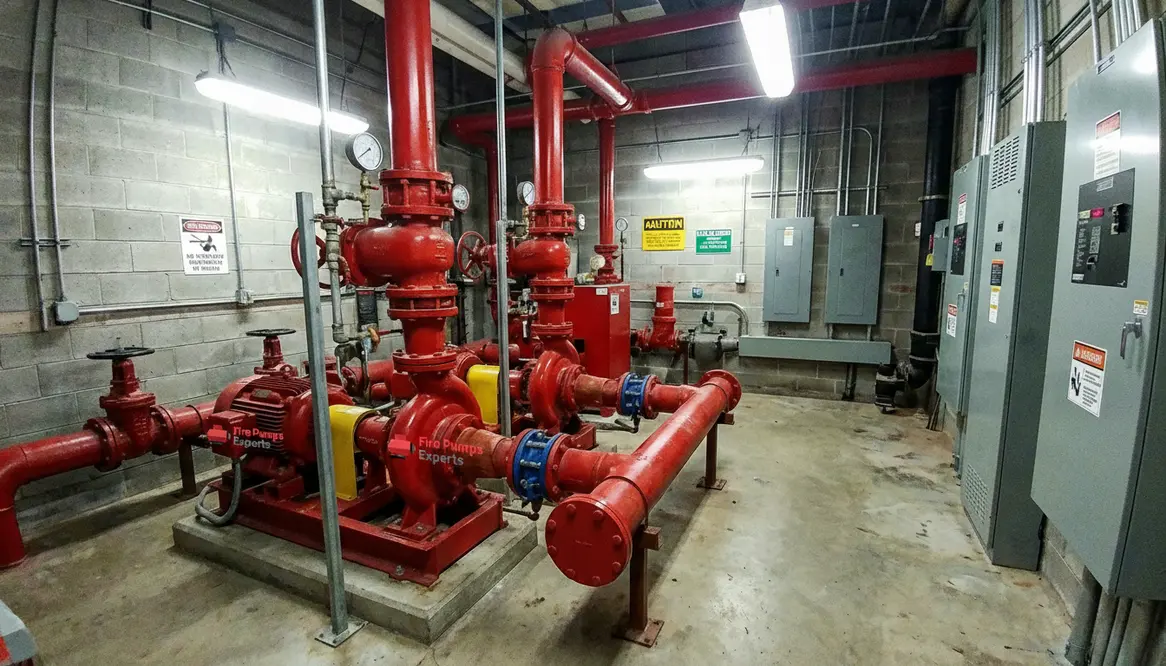
Fire Pump Systems for Health Department Offices Guide
A practical, no-nonsense look at keeping health department offices protected, operational, and calm when everything else is not.
I have walked through more administrative health facilities than I can count, and if there is one thing I never overlook, it is fire protection. Not the flashy kind, but the quiet, dependable systems that stand ready when everything else goes wrong. That is where Fire Pump Systems for Health Department Offices come into play. Within the first moments of an emergency, these systems do not panic, they perform. And in buildings filled with sensitive records, critical operations, and constant foot traffic, that kind of reliability is not just helpful, it is essential.
Administrative health offices may not have operating rooms, but they carry the heartbeat of public health: data, planning, logistics, and people. Treating these spaces as low risk is a mistake that too many facilities only recognize after an incident report lands on someone’s desk.
Why Fire Protection in Administrative Health Facilities Deserves More Respect
Most people think of hospitals when they hear healthcare, but administrative buildings carry their own risks. I have seen rooms stacked with paper files, electrical systems running nonstop, and staff working long hours. Put simply, it is a perfect recipe for fire risk if left unchecked.
However, effective fire protection goes beyond alarms and extinguishers. It demands layered systems that respond instantly. Therefore, I always emphasize the importance of integrating suppression systems that support sprinklers under pressure. That is exactly where specialized pump solutions prove their worth.
And let us be honest, paperwork is stressful enough without adding flames to the mix. Nobody wants their audit interrupted by a fire drill that turns real.
Why offices, not just clinics, are vulnerable
- Dense storage of combustible records and forms
- Layers of electronics, servers, and aging wiring
- Open office layouts that let smoke and heat travel quickly
- Visitors and staff who may not know evacuation routes
Fire Pump Systems for Health Department Offices Explained Clearly
When I explain fire pump systems to facility managers, I keep it simple. These systems boost water pressure so sprinklers can actually do their job when it matters most. Without that pressure, even the best sprinkler design can fall short.
In administrative health buildings, water supply is not always consistent. Therefore, a dedicated fire pump ensures reliable flow regardless of municipal pressure changes. I have seen facilities rely on city supply alone, and it is a gamble I would not recommend.
What makes these systems dependable
- Designed to deliver required flow and pressure on demand
- Engineered to work with sprinklers and standpipes across multiple floors
- Built with automatic start features triggered by pressure drops
- Supported by controllers, valves, and backup power strategies
Additionally, these systems activate automatically. No hesitation, no second guessing. In a way, they are like that one dependable coworker who shows up early, never complains, and quietly saves the day.
What Should I Include in a Fire Protection Plan for Health Offices
I get this question often, and the answer is more layered than most expect. A solid fire protection strategy is not built overnight, but it should feel seamless once in place.
1. Integration is non-negotiable
First, I always prioritize system integration. Detection, alarms, sprinklers, and pumps must communicate effectively. Otherwise, delays can occur.
2. Design around your actual building
Next, I look at building layout. Administrative health facilities often have dense office spaces, storage areas, and server rooms. Each zone needs tailored protection.
- High-density file rooms with heavy paper loads
- IT closets and data centers supporting vital systems
- Public waiting areas with variable occupancy
- Executive offices and conference rooms packed with electronics
3. Compliance as your safety baseline
Finally, I consider compliance. Regulations are not suggestions. They are the baseline for safety. Therefore, aligning systems with current codes ensures both protection and peace of mind.
Key Components That Strengthen Fire Safety Systems
When I evaluate a building, I focus on how each element supports the others. Fire safety is not about one hero system. It is about teamwork.
Core systems
- Automatic sprinkler networks
- Reliable fire pump units
- Emergency alarm systems
- Backup power sources
Support elements
- Routine inspection schedules
- Staff safety training
- Clear evacuation paths
- Updated compliance documentation
Moreover, I always stress maintenance. Even the best equipment can fail if ignored. Think of it like a classic car. It looks great in the garage, but without regular care, it will not get you far.
How Fire Pump Systems for Health Department Offices Improve Response Time
Speed matters. In fire protection, seconds are not just numbers, they are outcomes. I have seen how properly installed fire pump systems drastically reduce response time by delivering immediate water pressure where it is needed.
From ignition to suppression in less time
Because of this, sprinklers activate more effectively, containing fires before they spread. Furthermore, consistent pressure ensures coverage across all floors, even in larger administrative complexes.
And here is the part people rarely consider. Faster suppression means less downtime. For health departments, that translates to uninterrupted services, preserved records, and fewer operational disruptions.
In other words, it is not just about stopping fire. It is about protecting everything tied to that building’s purpose.
Common Oversights I See Too Often
Even well managed facilities can miss critical details. I have walked into buildings where systems existed on paper but not in practice.
Outdated or neglected systems
For instance, outdated equipment is a frequent issue. Technology evolves, and older systems may not meet current demands. Additionally, inconsistent testing can lead to unpleasant surprises during emergencies.
Growth without protection upgrades
Another common oversight is underestimating building expansion. As offices grow, fire protection systems must scale accordingly. Otherwise, coverage gaps appear.
Storage that quietly turns into a hazard
And yes, I have seen storage rooms turned into accidental fire hazards. If it looks like a scene from a hoarder documentary, it probably needs attention.
Why Fire Pump Systems for Health Department Offices Are Worth Prioritizing
When you step back and look at the bigger picture, Fire Pump Systems for Health Department Offices are not just another line item on a budget. They are what allow alarms, sprinklers, and emergency teams to actually succeed instead of struggle.
- They support uninterrupted services by limiting damage and downtime.
- They protect the credibility of the department by safeguarding records and data.
- They provide reassurance to staff who already juggle enough high-stakes responsibilities.
Choosing, maintaining, and testing the right Fire Pump Systems for Health Department Offices is not glamorous work, but when something ignites in a file room or behind a panel, you will be glad the system was treated as mission-critical instead of optional.
FAQ About Fire Protection in Administrative Health Facilities
Final Thoughts and Next Steps
When I think about fire protection in administrative health facilities, I think about continuity, safety, and responsibility. The right systems do not just react, they prevent escalation. If you are managing a commercial or large scale health department building, now is the time to evaluate your setup. Explore reliable Fire Pump Systems for Health Department Offices and ensure your facility is ready before it ever needs to be. Because preparation today saves everything tomorrow.