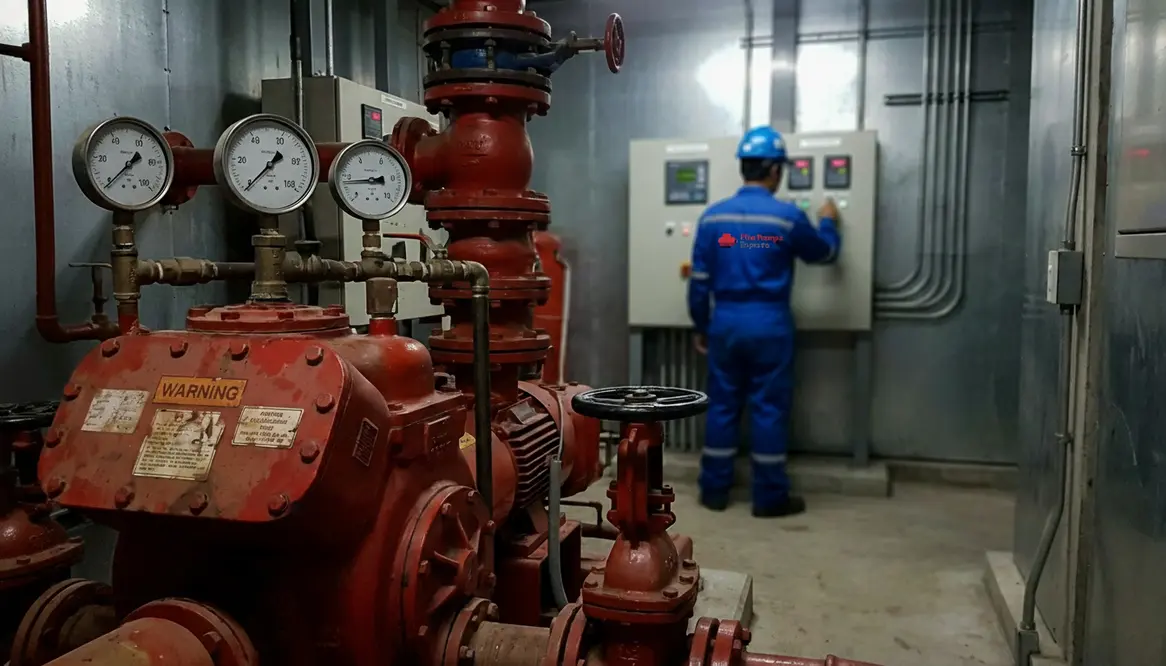
Fire Pump Systems for Semiconductor Fire Protection
I have spent years around critical infrastructure, and if there is one place where precision meets zero margin for error, it is inside a semiconductor facility. These environments hum with quiet intensity, producing the chips that power everything from your phone to that streaming binge you promised would be just one episode. In this world, Fire protection for advanced manufacturing is not just a safety feature. It is a lifeline. And at the center of that lifeline sits the fire pump system, steady, ready, and often overlooked until the moment it matters most.
Why fire pump systems matter in semiconductor facilities
Semiconductor plants are not your average commercial buildings. They are complex ecosystems filled with cleanrooms, sensitive equipment, and high value processes. Even a small disruption can ripple through production like a plot twist nobody asked for. That is why I always emphasize that a robust fire pump system is not optional. It is essential.
Unlike standard facilities, these sites demand consistent pressure and reliable water flow at all times. A drop in performance can compromise suppression systems, which in turn can threaten millions in assets. So, while the fire pump may not get the spotlight, it is very much the quiet hero in the background.
What makes fire protection for advanced manufacturing different
Let me put it simply. Not all fire protection systems are created equal. In semiconductor facilities, we deal with unique hazards like flammable chemicals, specialized gases, and ultra clean environments. Therefore, Fire protection for advanced manufacturing requires a tailored approach.
For example, water delivery must be precise and controlled. Too much force can damage sensitive areas, yet too little pressure can render suppression systems ineffective. Additionally, redundancy is not a luxury here. It is a requirement. Backup pumps, reliable power sources, and intelligent controls all work together to ensure continuous protection.
And yes, it is a bit like assembling a superhero team. Each component has a role, and if one fails, the rest must step up instantly.
How do fire pump systems actually support cleanroom environments?
That is a question I hear often, and the answer is both simple and nuanced. Cleanrooms are designed to minimize contamination, so any fire protection solution must respect that balance. Fire pump systems support these environments by delivering water with precision while integrating seamlessly with suppression technologies.
In many cases, systems are designed to activate only where needed, reducing unnecessary exposure. Moreover, advanced monitoring ensures that pressure levels remain stable, even during peak demand. As a result, operations continue with minimal disruption.
Think of it like a stage crew in a theater production. You rarely see them, but without them, the show would fall apart in seconds.
Key components that keep everything running smoothly
When I look at a fire pump system in a semiconductor facility, I see a network of carefully engineered parts working in harmony. Each one plays a role in maintaining performance and reliability.
Here is a simple breakdown:
Core Equipment
- Fire pumps designed for high demand
- Controllers that manage activation and monitoring
- Reliable power sources including backup systems
Support Systems
- Pressure maintenance devices
- Flow testing connections
- Advanced alarm and monitoring integrations
While each component may seem straightforward, the real challenge lies in integration. Everything must work together without hesitation. Because when seconds count, hesitation is not an option.
Design strategies that reduce risk and downtime
I always tell clients that good design is about thinking ahead. In semiconductor facilities, that means planning for both expected and unexpected scenarios. Engineers often incorporate redundancy, zoning, and intelligent controls to reduce risk.
For instance, zoning allows specific areas to be protected independently. Consequently, a localized issue does not shut down the entire operation. Meanwhile, intelligent monitoring systems provide real time data, helping teams respond quickly before small issues become big problems.
And let us be honest, avoiding downtime in these facilities is not just important. It is everything. Even a short interruption can feel like hitting pause on a very expensive movie production.
Maintenance is where reliability is earned
I have seen the best designed systems fail simply because maintenance was treated as an afterthought. Regular inspection, testing, and servicing are what keep fire pump systems ready for action.
Routine flow tests, controller checks, and performance evaluations ensure that every component operates as intended. Additionally, proactive maintenance helps identify wear and tear before it becomes a critical issue. As a result, facilities maintain both safety and operational continuity.
It is a bit like going to the gym. You do not wait until you are out of shape to start. You stay consistent so you are ready when it counts.
FAQ: Fire pump systems in semiconductor facilities
Closing thoughts and next steps
If you manage or design semiconductor facilities, you already know the stakes. Fire pump systems are not just part of the infrastructure. They are a critical safeguard for operations, assets, and people. Now is the time to evaluate your current setup, identify gaps, and invest in solutions built for advanced manufacturing environments. Reach out to experts who understand these demands and can help you build a system that performs when it matters most, and remember that Fire protection for advanced manufacturing is ultimately about keeping the technology world running without missing a beat.