Fire Pump Test Header Guide for Commercial Buildings
A practical, field-tested walkthrough of how a fire pump test header keeps large buildings ready for the worst day, not just the next inspection.
What Is a Fire Pump Test Header?
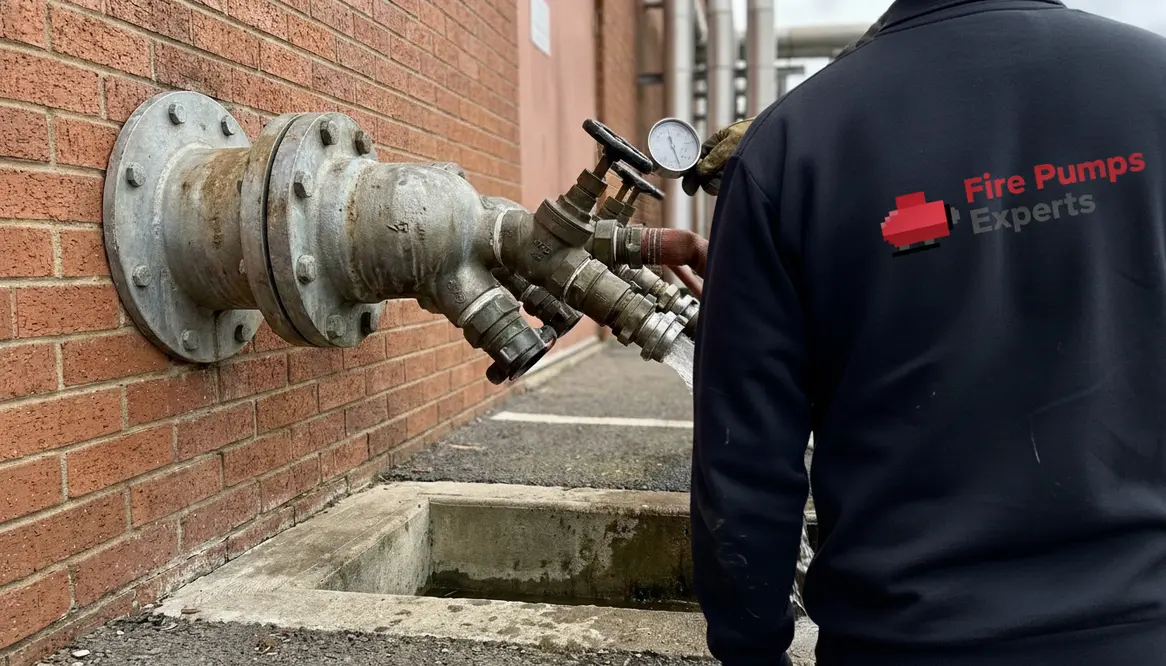
I like to think of a fire pump test header as the fire pump system’s reality check. It gives me a safe, controlled way to test whether the pump can still do its job when the pressure is on. In commercial and industrial buildings, that matters a lot, because these systems protect more than property; they protect people, operations, and sometimes the entire future of a facility. And yes, it is a little like a gym membership for your fire pump. You do not buy it to look good. You buy it so it performs when it counts.
In simple terms, a fire pump test header is the set of outlets on the outside of a building or near the pump that lets me discharge water during testing. It helps me measure flow, pressure, and overall pump performance without relying on the sprinkler system alone. For major properties, that test is not optional in spirit, even if it sometimes feels like one more item on a long maintenance list.
How I Use a Fire Pump Test Header in a Commercial Building
When I test a fire pump, I connect hoses to the test header and open the valves in a planned way. Then I let water flow out of the system while I watch the readings. That tells me whether the pump is meeting its expected performance. In a large commercial or industrial facility, this step matters because fire pumps rarely get praised until the day they fail. And nobody wants that plot twist.
The test header also gives me a repeatable setup. That means I can compare today’s results with last month’s results, or with the original commissioning data. As a result, I can spot problems before they grow teeth. Low pressure, poor flow, worn parts, valve trouble, and suction issues often show up during this test long before they cause a real emergency.
Why a Fire Pump Test Header Matters for Major Properties
Big buildings need steady fire protection, not hope and good intentions. A test header helps me verify that the pump can support the system under real demand. For industrial plants, warehouses, hospitals, data centers, and other large facilities, this check can protect expensive equipment, business continuity, and life safety.
Here is the practical value:
Dual Column Layout for Quick Clarity
What I check
Pump pressure
Flow rate
System condition
Compliance support
Why it matters
Confirms the pump can push water where it is needed
Shows the pump can supply enough water
Reveals wear, leaks, or blockage early
Helps the facility stay aligned with inspection needs
So, while the test header may look like a simple metal fitting, it plays a serious role. It gives me data, and data beats guesswork every day of the week.
Fire Pump Test Header vs Other Testing Methods
People sometimes ask me why I do not just test the system another way. Fair question. The answer is that the fire pump test header gives a direct way to discharge water from the pump in a controlled manner. That makes it ideal for performance checks. In contrast, other methods may focus on parts of the system, but they do not always show the pump’s full behavior under load.
Also, the test header supports a more complete maintenance plan. I can combine it with pressure readings, visual checks, and valve inspections. Together, those steps give me a clearer picture of how the whole fire protection setup is doing. Think of it like a full health check, not just stepping on the scale and pretending that is enough. We all know that trick, and frankly, the body does not buy it.
What I Look for During Testing
When I work with a fire pump test header, I do not just open valves and call it a day. I watch the system closely. First, I confirm that the valves operate properly. Then I check for leaks, strange noise, vibration, and pressure loss. After that, I compare the results to the expected pump curve and past test records. If something looks off, I dig deeper.
I also pay attention to trends. One weak test may point to a temporary issue, but a slow drop over time can signal a bigger problem. That is why regular testing matters so much in commercial and industrial facilities. It gives me a chance to catch a small issue before it becomes a headline nobody wants. If you ever need deeper technical standards or reference material to compare your test results, you can explore resources at https://firepumps.org alongside your own facility data.
FAQ
Below are some quick answers to questions I hear often about using a fire pump test header in commercial and industrial buildings.
Conclusion
If you manage a commercial or industrial property, I urge you to treat the fire pump test header like the serious tool it is. It helps me verify performance, catch hidden problems, and keep fire protection ready for real life, not just paperwork.
If your facility needs expert support with fire pump testing, inspection, or maintenance, now is the time to act. Reach out and make sure your system is ready before it has to prove itself the hard way, and keep that fire pump test header firmly on your “critical assets” list rather than your “nice extras” list.