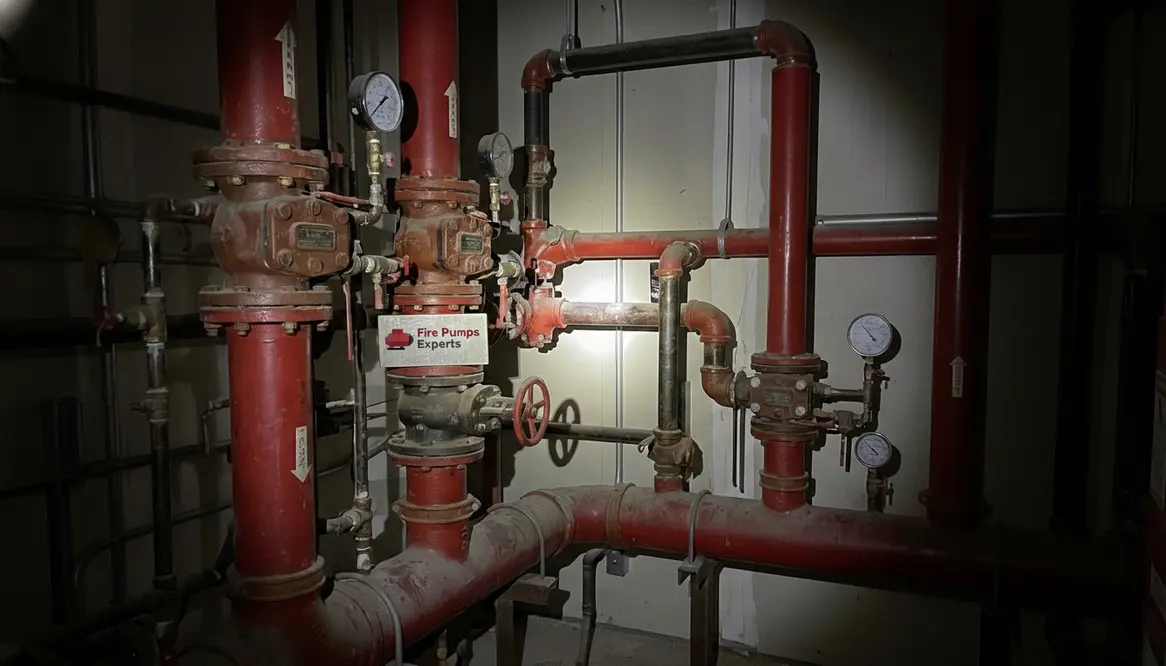
Fire Sprinkler Friction Loss and Hydraulics for Design
I’ve spent enough time around fire protection systems to know this: fire sprinkler friction loss can make or break a design before the first pipe is even installed. It sounds dry, like a topic that would put a coffee mug to sleep, yet it shapes water flow, pressure, and system performance in a big way. If I get it wrong, the sprinklers may not deliver the flow a building needs when it matters most. That is not drama. That is hydraulics wearing a hard hat.
For commercial and industrial facilities, and for major property buildings, I always treat fire sprinkler friction loss as a core design issue. It affects pump sizing, pipe selection, sprinkler performance, and compliance. So, let me walk through what it means, why it matters, and how I handle it in real work without turning the whole thing into a math maze.
What fire sprinkler friction loss means in plain language
Friction loss is the pressure drop that happens when water moves through pipes, fittings, valves, and other system parts. As water travels, it rubs against the inside of the pipe and bumps into every elbow, tee, and valve along the way. That resistance steals pressure. Simple idea, serious impact.
In a fire sprinkler system, this pressure loss can affect how much water reaches the sprinklers and how fast it gets there. So, when I size a system, I do not just ask, “How much water do I need?” I also ask, “How much pressure will the system lose before the water even gets to the hazard?” That second question is where the real story lives.
Why friction loss matters in commercial and industrial systems
In large buildings, fire sprinkler friction loss grows fast because the water often travels through long pipe runs and complex layouts. More pipe means more resistance. More fittings mean more resistance. And yes, the system can start to feel like a bad road trip with too many detours.
Here is what I watch closely:
- Longer pipe lengths increase pressure loss
- Smaller pipe sizes create more resistance
- Higher flow rates raise the loss quickly
- Valves, bends, and fittings add extra drag
- Dirty or rough pipe surfaces can make things worse over time
That is why fire protection design for commercial and industrial facilities needs more than a basic layout. It needs a hydraulic review that looks at the full path water takes, from the source to the most remote sprinkler.
How I calculate fire sprinkler friction loss
I usually work from hydraulic methods that measure pressure loss based on flow, pipe size, and pipe length. In most cases, designers rely on standard formulas and approved design tools to estimate the loss in each section of pipe. Then, they add up the total from the water supply to the sprinkler that needs the most help.
The key is not just the pipe run itself. The fittings matter too. A few elbows here and a valve there can change the final pressure enough to affect the whole design. That is why I always build the calculation from the source outward, step by step. It keeps the numbers honest, which is a nice change from most office spreadsheets, frankly.
What affects pressure loss in sprinkler piping
If I want a system to perform well, I have to look at the design details that shape fire sprinkler friction loss. Water does not care about my deadlines. It only cares about physics.
Three factors usually drive the result:
Pipe diameter
Wider pipe lowers resistance and helps reduce loss. Smaller pipe may save material cost, but it can force the pump to work harder.
Flow rate
When more water moves through the pipe, friction rises. That rise can be sharp, so I always check demand early.
Pipe material and condition
Smooth new pipe performs better than older pipe with scale or buildup. Over time, the inside surface can roughen and add more loss than the original design expected.
That last part is easy to ignore until a system test says, “Surprise.” And nobody likes surprise when the subject is fire safety.
How I use hydraulic data to avoid problems
I rely on hydraulic data to guide pipe sizing, pump selection, and layout choices. If the supply pressure looks weak, I may need a fire pump or a better route for the piping. If the pipe network looks too restrictive, I may adjust the design before the project moves ahead. That saves time, money, and a lot of future headaches.
For a practical reference, I often compare design choices with guidance from this AS 2419 fire pump and hydrant performance guide, which helps explain how pump and hydrant performance supports fire protection systems in real buildings. For teams working in the United States, I also recommend reviewing this Los Angeles fire pump solution when evaluating pump support for large commercial and industrial sites.
Dual view: common causes on the left, practical fixes on the right
Common issue
| Too many fittings in one run |
| Pipe size too small for demand |
| Long distance to remote sprinklers |
| Old or rough pipe interior |
Practical fix
| Simplify the route where possible |
| Increase diameter where the design allows it |
| Check pump support and reroute piping |
| Inspect and maintain the system on schedule |
FAQ: fire sprinkler friction loss
Final thoughts and next step
Fire sprinkler friction loss may not sound exciting, but it sits at the heart of reliable fire protection. I treat it as a design priority because the wrong numbers can weaken the whole system. If you manage a commercial or industrial facility, or a major property building, now is the time to review your piping, pump support, and hydraulic design. I can help you look deeper, catch weak spots early, and build a system that performs with confidence when it counts most.