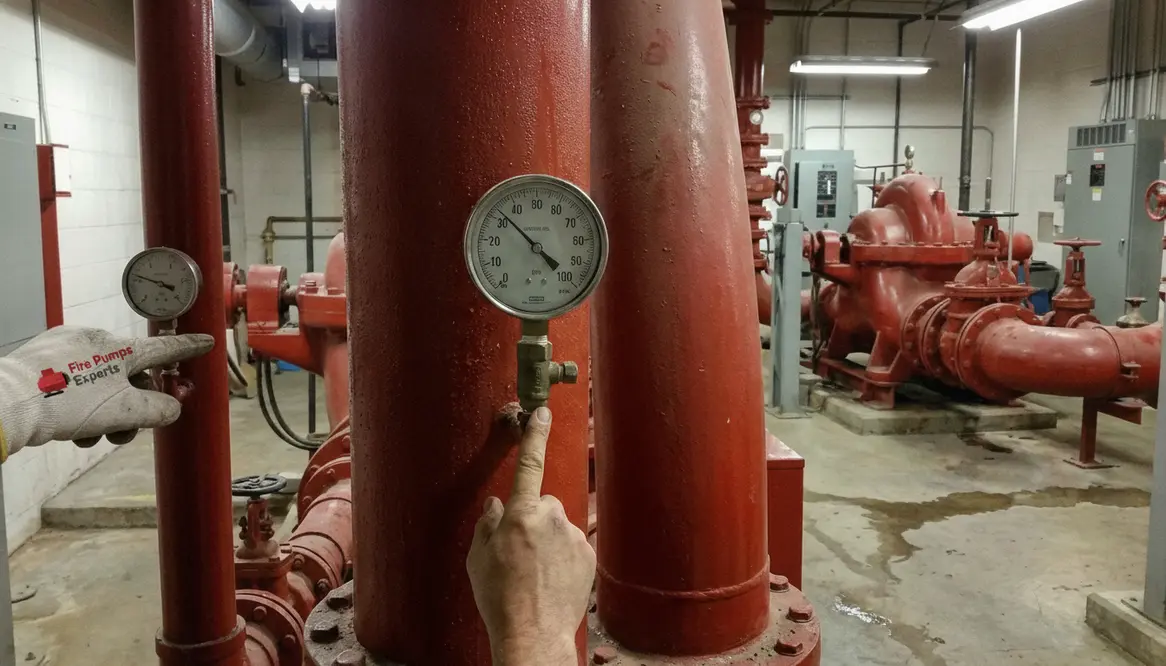
How Pipe Diameter Affects Fire Pump Performance
When I look at a fire protection system, I never start with the shiny equipment. I start with the pipe. That is because the fire pump pipe size can make or break how well water moves through a commercial or industrial system. If the pipe is too small, the pump works harder than it should. If it is too large, the system can lose the pressure balance it needs. Either way, the result is not exactly a victory lap. In a major building, a poor pipe choice can turn a solid fire pump into an expensive overachiever with trust issues.
So, if you manage a warehouse, factory, office tower, or other major property, this matters more than you may think. I will walk through how pipe diameter affects pressure, flow, friction loss, and long term performance, using plain language and real world logic.
Why pipe diameter changes pressure and flow
Pipe diameter controls how fast water moves and how much resistance it meets. Smaller pipes push water through a tighter path, so speed rises and friction rises with it. That friction steals pressure. Larger pipes reduce that resistance, which helps water move with less loss. However, bigger does not always mean better. Fire systems need a balanced design, not a “go big or go home” episode from a home makeover show.
In a commercial fire pump setup, the pump must deliver the required flow at the required pressure. If the piping creates too much resistance, the pump may not reach its target. As a result, sprinklers, hydrants, and standpipes may not perform as planned. That is why pipe diameter sits right at the center of system performance.
How to read fire pump pipe size in real systems
The pipe size affects more than one point in the system. It shapes the suction side, the discharge side, and the connected branch lines. On the suction side, I want low friction loss so the pump gets a steady water supply. On the discharge side, I want enough diameter to move the needed flow without wasting pressure. In short, the pipe should help the pump do its job, not act like a bottleneck at rush hour.
Here is the simple way I look at it:
Smaller pipe means higher velocity, more friction loss, and greater strain on the pump.
Larger pipe means lower friction loss, smoother flow, and better pressure retention.
Still, I never treat diameter as a one size answer. I always match it to the building demand, the water supply, and the pump curve. That curve tells me how the pump performs at different flow points, and it helps me see whether the selected pipe will support the system or choke it like a bad throat lozenge.
What happens when pipe gets too small
When pipe diameter drops too low, friction loss climbs fast. Water rubs against the pipe wall more often, and pressure falls before it reaches the demand point. That creates a few problems. First, the pump may need to work harder to move the same water. Second, the system may not deliver enough pressure to the highest or farthest outlets. Third, the pump can run outside its best range, which can lead to wear and poor reliability.
I also watch for noise, vibration, and flow instability. These signs often show up when the pipe size does not match the demand. In a large facility, that kind of mismatch can spread trouble across the entire fire protection network. One bad size choice can ripple through the system like a plot twist in a season finale.
How larger pipe can improve performance
A larger diameter often lowers friction loss and gives the fire pump an easier path. That can improve efficiency, reduce stress, and help maintain stronger pressure at the system outlet. This matters a lot in tall buildings and large industrial sites, where water must travel a long way and still arrive with force.
Even so, I do not chase the biggest pipe available just because it sounds impressive. The best design keeps velocity in a safe range, avoids wasted cost, and fits the pump’s duty point. Pipe that is too large can add extra cost and space needs without real benefit. In fire protection, I want smart, not flashy. The system should work like a well run orchestra, not like everyone showing up to jam with a different playlist.
Dual view of pipe sizing and pump performance
Below is a simple side by side view of how pipe diameter changes system behavior.
Smaller Diameter
Higher friction loss
Lower pressure at the outlets
More pump strain
Higher risk of poor performance
Larger Diameter
Lower friction loss
Better pressure retention
Less pump strain
Better flow stability
What I check before choosing pipe size
I always review the water supply, pump curve, required flow, system layout, and building height. Then I check the friction loss through each section of pipe. Because the system must work during an emergency, I do not guess. I calculate. I compare. I verify. That process gives me a better chance of meeting code and real world demand.
I also look at the full picture, not just the pump room. Long runs, bends, fittings, and elevation changes all affect performance. For a helpful technical reference, I often point people to this AS 2419 fire pump and hydrant performance guide, because it adds useful detail on how system performance ties back to design choices. And for broader service support, you can also review los angeles fire pump solutions for commercial and industrial properties and major buildings.
FAQ
Quick answers about fire pump pipe size
Conclusion
Pipe diameter is not a small detail. It shapes pressure, flow, efficiency, and reliability across the whole fire protection system. If you manage a commercial or industrial property, I recommend treating pipe sizing as a core design decision, not an afterthought. The right choice can protect your pump, support your building, and improve emergency performance when it matters most. If you want a system that performs with confidence, review your pipe sizes now and speak with a fire protection professional before the pressure speaks for you.