A fire protection system is only as strong as its upkeep. Even the best design will struggle if valves sit closed, pumps lose service, or sprinkler heads get blocked. So, I always think in terms of testing, inspection, and maintenance.
First, building teams need regular checks on valves, gauges, tanks, and pump controllers. Then, they must confirm that the standpipe outlets stay clear and easy to reach. After that, alarm signals, water flow devices, and backup power sources need testing. This is not glamorous work, but neither is a fire. And honestly, the fire never worries about being glamorous.
Good maintenance also helps catch wear before it turns into failure. Corrosion, leaks, damaged fittings, and pressure problems can all weaken the system. In addition, building changes can affect performance. If a tenant adds equipment or a space use shifts, the fire design may need a fresh review. I treat that as basic respect for the building and the people inside it.
FAQ: Quick Answers for Building Owners and Facility Teams
When questions show up, it usually means someone is preparing for the moment when high-rise fire protection engineering needs to be more than a checklist. Here are the quick answers that keep planning moving.
In a tall building, high-rise fire protection engineering ties together sprinklers, standpipes, and fire pumps into one coordinated defense plan.
What does high-rise fire protection engineering include?
It includes sprinklers, standpipes, fire pumps, and the design rules that connect them into a system that works when pressure, zoning, and time all matter.
Why are fire pumps needed in tall buildings?
They boost water pressure so fire systems can reach upper floors where gravity would otherwise drain performance.
Do sprinklers activate all at once?
No. Usually only the heads near the fire open, which helps keep the incident smaller and reduces unnecessary water damage.
What does a standpipe do?
It gives firefighters water connections inside the building so they can access water quickly throughout the structure.
How often should fire systems be tested?
They should be inspected and tested on a regular schedule by qualified teams, because maintenance is what turns a design into dependable performance.
Who needs this type of fire protection?
Commercial and industrial facilities, as well as major property buildings, need it most because the hazards and water demands are rarely simple in high-rise environments.
Final Thoughts on High-Rise Fire Protection Engineering
When I look at a tall building, I do not just see steel, glass, and polished lobbies. I see a system that must protect lives under pressure. High-rise fire protection engineering brings sprinklers, standpipes, and fire pumps together into one practical defense plan. If you manage a commercial tower, industrial site, or major property building, now is the time to review your system, tighten weak points, and plan ahead. The right design today can keep a crisis small tomorrow, and that is worth acting on now. For teams building on upgrades and ongoing performance, high-rise fire protection engineering is the thread that makes everything connect.
Standpipe system
Provides hose connections for firefighters
Helps crews reach upper floors fast
Delivers water to the fire attack point
Fire pump system
Boosts pressure when city water is not enough
Keeps water moving to high floors
Supports sprinkler and standpipe demand during a fire
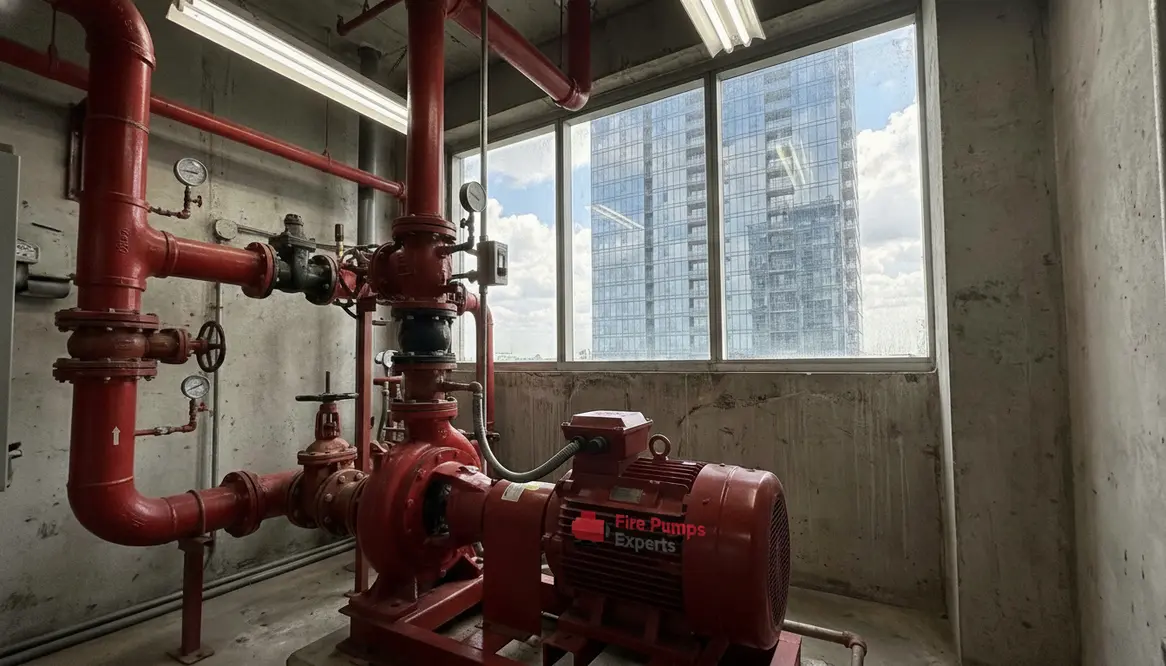
Fire pumps matter because height steals pressure. Every floor above the ground adds load to the water supply. Therefore, the pump must deliver the right flow at the right pressure, and it must do so without hesitation. For that reason, I always see the pump room as the heartbeat of the system. If the heartbeat fails, the whole plan gets shaky.
For commercial and industrial buildings, pump selection must also consider demand, redundancy, and reliability. I recommend reviewing a trusted los angeles fire pump resource when planning for major property protection, especially where high water demand and long risers drive the design.
How the System Stays Reliable Over Time
A fire protection system is only as strong as its upkeep. Even the best design will struggle if valves sit closed, pumps lose service, or sprinkler heads get blocked. So, I always think in terms of testing, inspection, and maintenance.
First, building teams need regular checks on valves, gauges, tanks, and pump controllers. Then, they must confirm that the standpipe outlets stay clear and easy to reach. After that, alarm signals, water flow devices, and backup power sources need testing. This is not glamorous work, but neither is a fire. And honestly, the fire never worries about being glamorous.
Good maintenance also helps catch wear before it turns into failure. Corrosion, leaks, damaged fittings, and pressure problems can all weaken the system. In addition, building changes can affect performance. If a tenant adds equipment or a space use shifts, the fire design may need a fresh review. I treat that as basic respect for the building and the people inside it.
FAQ: Quick Answers for Building Owners and Facility Teams
When questions show up, it usually means someone is preparing for the moment when high-rise fire protection engineering needs to be more than a checklist. Here are the quick answers that keep planning moving.
In a tall building, high-rise fire protection engineering ties together sprinklers, standpipes, and fire pumps into one coordinated defense plan.
Final Thoughts on High-Rise Fire Protection Engineering
When I look at a tall building, I do not just see steel, glass, and polished lobbies. I see a system that must protect lives under pressure. High-rise fire protection engineering brings sprinklers, standpipes, and fire pumps together into one practical defense plan. If you manage a commercial tower, industrial site, or major property building, now is the time to review your system, tighten weak points, and plan ahead. The right design today can keep a crisis small tomorrow, and that is worth acting on now. For teams building on upgrades and ongoing performance, high-rise fire protection engineering is the thread that makes everything connect.
Dual columns for high-rise water control
When I look at standpipe and pump design, I focus on how the building supports both normal flow and emergency flow. Below is a simple view of how the system works.
Standpipe system
Provides hose connections for firefighters
Helps crews reach upper floors fast
Delivers water to the fire attack point
Fire pump system
Boosts pressure when city water is not enough
Keeps water moving to high floors
Supports sprinkler and standpipe demand during a fire
Fire pumps matter because height steals pressure. Every floor above the ground adds load to the water supply. Therefore, the pump must deliver the right flow at the right pressure, and it must do so without hesitation. For that reason, I always see the pump room as the heartbeat of the system. If the heartbeat fails, the whole plan gets shaky.
For commercial and industrial buildings, pump selection must also consider demand, redundancy, and reliability. I recommend reviewing a trusted los angeles fire pump resource when planning for major property protection, especially where high water demand and long risers drive the design.
How the System Stays Reliable Over Time
A fire protection system is only as strong as its upkeep. Even the best design will struggle if valves sit closed, pumps lose service, or sprinkler heads get blocked. So, I always think in terms of testing, inspection, and maintenance.
First, building teams need regular checks on valves, gauges, tanks, and pump controllers. Then, they must confirm that the standpipe outlets stay clear and easy to reach. After that, alarm signals, water flow devices, and backup power sources need testing. This is not glamorous work, but neither is a fire. And honestly, the fire never worries about being glamorous.
Good maintenance also helps catch wear before it turns into failure. Corrosion, leaks, damaged fittings, and pressure problems can all weaken the system. In addition, building changes can affect performance. If a tenant adds equipment or a space use shifts, the fire design may need a fresh review. I treat that as basic respect for the building and the people inside it.
FAQ: Quick Answers for Building Owners and Facility Teams
When questions show up, it usually means someone is preparing for the moment when high-rise fire protection engineering needs to be more than a checklist. Here are the quick answers that keep planning moving.
In a tall building, high-rise fire protection engineering ties together sprinklers, standpipes, and fire pumps into one coordinated defense plan.
Final Thoughts on High-Rise Fire Protection Engineering
When I look at a tall building, I do not just see steel, glass, and polished lobbies. I see a system that must protect lives under pressure. High-rise fire protection engineering brings sprinklers, standpipes, and fire pumps together into one practical defense plan. If you manage a commercial tower, industrial site, or major property building, now is the time to review your system, tighten weak points, and plan ahead. The right design today can keep a crisis small tomorrow, and that is worth acting on now. For teams building on upgrades and ongoing performance, high-rise fire protection engineering is the thread that makes everything connect.
Standpipes and Fire Pumps in a Tall Building
Standpipes give firefighters a direct water path inside the building. Instead of carrying hose lines up many flights of stairs, crews can connect to outlets on each level or in key areas. That saves time, energy, and a fair amount of bad luck. In a high-rise, those minutes matter.
Dual columns for high-rise water control
When I look at standpipe and pump design, I focus on how the building supports both normal flow and emergency flow. Below is a simple view of how the system works.
Standpipe system
Provides hose connections for firefighters
Helps crews reach upper floors fast
Delivers water to the fire attack point
Fire pump system
Boosts pressure when city water is not enough
Keeps water moving to high floors
Supports sprinkler and standpipe demand during a fire
Fire pumps matter because height steals pressure. Every floor above the ground adds load to the water supply. Therefore, the pump must deliver the right flow at the right pressure, and it must do so without hesitation. For that reason, I always see the pump room as the heartbeat of the system. If the heartbeat fails, the whole plan gets shaky.
For commercial and industrial buildings, pump selection must also consider demand, redundancy, and reliability. I recommend reviewing a trusted los angeles fire pump resource when planning for major property protection, especially where high water demand and long risers drive the design.
How the System Stays Reliable Over Time
A fire protection system is only as strong as its upkeep. Even the best design will struggle if valves sit closed, pumps lose service, or sprinkler heads get blocked. So, I always think in terms of testing, inspection, and maintenance.
First, building teams need regular checks on valves, gauges, tanks, and pump controllers. Then, they must confirm that the standpipe outlets stay clear and easy to reach. After that, alarm signals, water flow devices, and backup power sources need testing. This is not glamorous work, but neither is a fire. And honestly, the fire never worries about being glamorous.
Good maintenance also helps catch wear before it turns into failure. Corrosion, leaks, damaged fittings, and pressure problems can all weaken the system. In addition, building changes can affect performance. If a tenant adds equipment or a space use shifts, the fire design may need a fresh review. I treat that as basic respect for the building and the people inside it.
FAQ: Quick Answers for Building Owners and Facility Teams
When questions show up, it usually means someone is preparing for the moment when high-rise fire protection engineering needs to be more than a checklist. Here are the quick answers that keep planning moving.
In a tall building, high-rise fire protection engineering ties together sprinklers, standpipes, and fire pumps into one coordinated defense plan.
Final Thoughts on High-Rise Fire Protection Engineering
When I look at a tall building, I do not just see steel, glass, and polished lobbies. I see a system that must protect lives under pressure. High-rise fire protection engineering brings sprinklers, standpipes, and fire pumps together into one practical defense plan. If you manage a commercial tower, industrial site, or major property building, now is the time to review your system, tighten weak points, and plan ahead. The right design today can keep a crisis small tomorrow, and that is worth acting on now. For teams building on upgrades and ongoing performance, high-rise fire protection engineering is the thread that makes everything connect.
Standpipes and Fire Pumps in a Tall Building
Standpipes give firefighters a direct water path inside the building. Instead of carrying hose lines up many flights of stairs, crews can connect to outlets on each level or in key areas. That saves time, energy, and a fair amount of bad luck. In a high-rise, those minutes matter.
Dual columns for high-rise water control
When I look at standpipe and pump design, I focus on how the building supports both normal flow and emergency flow. Below is a simple view of how the system works.
Standpipe system
Provides hose connections for firefighters
Helps crews reach upper floors fast
Delivers water to the fire attack point
Fire pump system
Boosts pressure when city water is not enough
Keeps water moving to high floors
Supports sprinkler and standpipe demand during a fire
Fire pumps matter because height steals pressure. Every floor above the ground adds load to the water supply. Therefore, the pump must deliver the right flow at the right pressure, and it must do so without hesitation. For that reason, I always see the pump room as the heartbeat of the system. If the heartbeat fails, the whole plan gets shaky.
For commercial and industrial buildings, pump selection must also consider demand, redundancy, and reliability. I recommend reviewing a trusted los angeles fire pump resource when planning for major property protection, especially where high water demand and long risers drive the design.
How the System Stays Reliable Over Time
A fire protection system is only as strong as its upkeep. Even the best design will struggle if valves sit closed, pumps lose service, or sprinkler heads get blocked. So, I always think in terms of testing, inspection, and maintenance.
First, building teams need regular checks on valves, gauges, tanks, and pump controllers. Then, they must confirm that the standpipe outlets stay clear and easy to reach. After that, alarm signals, water flow devices, and backup power sources need testing. This is not glamorous work, but neither is a fire. And honestly, the fire never worries about being glamorous.
Good maintenance also helps catch wear before it turns into failure. Corrosion, leaks, damaged fittings, and pressure problems can all weaken the system. In addition, building changes can affect performance. If a tenant adds equipment or a space use shifts, the fire design may need a fresh review. I treat that as basic respect for the building and the people inside it.
FAQ: Quick Answers for Building Owners and Facility Teams
When questions show up, it usually means someone is preparing for the moment when high-rise fire protection engineering needs to be more than a checklist. Here are the quick answers that keep planning moving.
In a tall building, high-rise fire protection engineering ties together sprinklers, standpipes, and fire pumps into one coordinated defense plan.
Final Thoughts on High-Rise Fire Protection Engineering
When I look at a tall building, I do not just see steel, glass, and polished lobbies. I see a system that must protect lives under pressure. High-rise fire protection engineering brings sprinklers, standpipes, and fire pumps together into one practical defense plan. If you manage a commercial tower, industrial site, or major property building, now is the time to review your system, tighten weak points, and plan ahead. The right design today can keep a crisis small tomorrow, and that is worth acting on now. For teams building on upgrades and ongoing performance, high-rise fire protection engineering is the thread that makes everything connect.
How Sprinklers Control Fire Fast
Sprinklers do not wait for the whole building to panic. They react at the hot area only, which is why they remain one of the smartest parts of any fire safety plan. When heat rises enough, the sprinkler head opens and releases water directly where needed. As a result, the fire often stays small enough for people to leave safely and for crews to take control.
Here is the part many people miss. Sprinklers do not all go off at once. That movie scene where every head in the building blasts water like a rock concert sprinkler show? Pure drama. In real life, only the heads near the fire open. This reduces water damage and keeps the system focused.
For taller buildings, sprinkler design must handle pressure, zoning, and pipe layout with care. Water must reach upper levels with enough force, and the system must support different floor heights. Therefore, I always treat sprinkler engineering as both a life safety tool and a building performance system. When done well, it works quickly, quietly, and without a lot of fanfare. The best systems are like good stage actors: they do their job and leave the spotlight to the fire crews.
Standpipes and Fire Pumps in a Tall Building
Standpipes give firefighters a direct water path inside the building. Instead of carrying hose lines up many flights of stairs, crews can connect to outlets on each level or in key areas. That saves time, energy, and a fair amount of bad luck. In a high-rise, those minutes matter.
Dual columns for high-rise water control
When I look at standpipe and pump design, I focus on how the building supports both normal flow and emergency flow. Below is a simple view of how the system works.
Standpipe system
Provides hose connections for firefighters
Helps crews reach upper floors fast
Delivers water to the fire attack point
Fire pump system
Boosts pressure when city water is not enough
Keeps water moving to high floors
Supports sprinkler and standpipe demand during a fire
Fire pumps matter because height steals pressure. Every floor above the ground adds load to the water supply. Therefore, the pump must deliver the right flow at the right pressure, and it must do so without hesitation. For that reason, I always see the pump room as the heartbeat of the system. If the heartbeat fails, the whole plan gets shaky.
For commercial and industrial buildings, pump selection must also consider demand, redundancy, and reliability. I recommend reviewing a trusted los angeles fire pump resource when planning for major property protection, especially where high water demand and long risers drive the design.
How the System Stays Reliable Over Time
A fire protection system is only as strong as its upkeep. Even the best design will struggle if valves sit closed, pumps lose service, or sprinkler heads get blocked. So, I always think in terms of testing, inspection, and maintenance.
First, building teams need regular checks on valves, gauges, tanks, and pump controllers. Then, they must confirm that the standpipe outlets stay clear and easy to reach. After that, alarm signals, water flow devices, and backup power sources need testing. This is not glamorous work, but neither is a fire. And honestly, the fire never worries about being glamorous.
Good maintenance also helps catch wear before it turns into failure. Corrosion, leaks, damaged fittings, and pressure problems can all weaken the system. In addition, building changes can affect performance. If a tenant adds equipment or a space use shifts, the fire design may need a fresh review. I treat that as basic respect for the building and the people inside it.
FAQ: Quick Answers for Building Owners and Facility Teams
When questions show up, it usually means someone is preparing for the moment when high-rise fire protection engineering needs to be more than a checklist. Here are the quick answers that keep planning moving.
In a tall building, high-rise fire protection engineering ties together sprinklers, standpipes, and fire pumps into one coordinated defense plan.
Final Thoughts on High-Rise Fire Protection Engineering
When I look at a tall building, I do not just see steel, glass, and polished lobbies. I see a system that must protect lives under pressure. High-rise fire protection engineering brings sprinklers, standpipes, and fire pumps together into one practical defense plan. If you manage a commercial tower, industrial site, or major property building, now is the time to review your system, tighten weak points, and plan ahead. The right design today can keep a crisis small tomorrow, and that is worth acting on now. For teams building on upgrades and ongoing performance, high-rise fire protection engineering is the thread that makes everything connect.
Why High-Rise Fire Protection Engineering Matters
In a low building, firefighters can often reach the fire with less delay. However, in a high-rise, height changes everything. Water must travel farther, pressure must stay strong, and every floor needs a clear plan. That is where high-rise fire protection engineering comes in. I see it as the design logic that keeps the whole building from turning into a very expensive cautionary tale.
First, the system must limit fire spread. Next, it must support safe evacuation. After that, it must help fire crews attack the fire with reliable tools already in place. Because of that, the design cannot rely on one device alone. Instead, it needs layered protection. Sprinklers control heat at the source, standpipes give firefighters fast access to water, and fire pumps keep pressure strong when gravity starts acting like a bully.
Also, these systems must fit the building use. Commercial towers, industrial sites, and major property buildings face different risks, so the design must match the hazard. A one size fits all setup sounds simple, yet fire protection never likes shortcuts.
How Sprinklers Control Fire Fast
Sprinklers do not wait for the whole building to panic. They react at the hot area only, which is why they remain one of the smartest parts of any fire safety plan. When heat rises enough, the sprinkler head opens and releases water directly where needed. As a result, the fire often stays small enough for people to leave safely and for crews to take control.
Here is the part many people miss. Sprinklers do not all go off at once. That movie scene where every head in the building blasts water like a rock concert sprinkler show? Pure drama. In real life, only the heads near the fire open. This reduces water damage and keeps the system focused.
For taller buildings, sprinkler design must handle pressure, zoning, and pipe layout with care. Water must reach upper levels with enough force, and the system must support different floor heights. Therefore, I always treat sprinkler engineering as both a life safety tool and a building performance system. When done well, it works quickly, quietly, and without a lot of fanfare. The best systems are like good stage actors: they do their job and leave the spotlight to the fire crews.
Standpipes and Fire Pumps in a Tall Building
Standpipes give firefighters a direct water path inside the building. Instead of carrying hose lines up many flights of stairs, crews can connect to outlets on each level or in key areas. That saves time, energy, and a fair amount of bad luck. In a high-rise, those minutes matter.
Dual columns for high-rise water control
When I look at standpipe and pump design, I focus on how the building supports both normal flow and emergency flow. Below is a simple view of how the system works.
Standpipe system
Provides hose connections for firefighters
Helps crews reach upper floors fast
Delivers water to the fire attack point
Fire pump system
Boosts pressure when city water is not enough
Keeps water moving to high floors
Supports sprinkler and standpipe demand during a fire
Fire pumps matter because height steals pressure. Every floor above the ground adds load to the water supply. Therefore, the pump must deliver the right flow at the right pressure, and it must do so without hesitation. For that reason, I always see the pump room as the heartbeat of the system. If the heartbeat fails, the whole plan gets shaky.
For commercial and industrial buildings, pump selection must also consider demand, redundancy, and reliability. I recommend reviewing a trusted los angeles fire pump resource when planning for major property protection, especially where high water demand and long risers drive the design.
How the System Stays Reliable Over Time
A fire protection system is only as strong as its upkeep. Even the best design will struggle if valves sit closed, pumps lose service, or sprinkler heads get blocked. So, I always think in terms of testing, inspection, and maintenance.
First, building teams need regular checks on valves, gauges, tanks, and pump controllers. Then, they must confirm that the standpipe outlets stay clear and easy to reach. After that, alarm signals, water flow devices, and backup power sources need testing. This is not glamorous work, but neither is a fire. And honestly, the fire never worries about being glamorous.
Good maintenance also helps catch wear before it turns into failure. Corrosion, leaks, damaged fittings, and pressure problems can all weaken the system. In addition, building changes can affect performance. If a tenant adds equipment or a space use shifts, the fire design may need a fresh review. I treat that as basic respect for the building and the people inside it.
FAQ: Quick Answers for Building Owners and Facility Teams
When questions show up, it usually means someone is preparing for the moment when high-rise fire protection engineering needs to be more than a checklist. Here are the quick answers that keep planning moving.
In a tall building, high-rise fire protection engineering ties together sprinklers, standpipes, and fire pumps into one coordinated defense plan.
Final Thoughts on High-Rise Fire Protection Engineering
When I look at a tall building, I do not just see steel, glass, and polished lobbies. I see a system that must protect lives under pressure. High-rise fire protection engineering brings sprinklers, standpipes, and fire pumps together into one practical defense plan. If you manage a commercial tower, industrial site, or major property building, now is the time to review your system, tighten weak points, and plan ahead. The right design today can keep a crisis small tomorrow, and that is worth acting on now. For teams building on upgrades and ongoing performance, high-rise fire protection engineering is the thread that makes everything connect.
High-rise Fire Protection Engineering Guide
High-rise fire protection engineering keeps tall buildings ready when seconds count, with layered protection that actually matches how fire behaves in the vertical world.
Why High-Rise Fire Protection Engineering Matters
In a low building, firefighters can often reach the fire with less delay. However, in a high-rise, height changes everything. Water must travel farther, pressure must stay strong, and every floor needs a clear plan. That is where high-rise fire protection engineering comes in. I see it as the design logic that keeps the whole building from turning into a very expensive cautionary tale.
First, the system must limit fire spread. Next, it must support safe evacuation. After that, it must help fire crews attack the fire with reliable tools already in place. Because of that, the design cannot rely on one device alone. Instead, it needs layered protection. Sprinklers control heat at the source, standpipes give firefighters fast access to water, and fire pumps keep pressure strong when gravity starts acting like a bully.
Also, these systems must fit the building use. Commercial towers, industrial sites, and major property buildings face different risks, so the design must match the hazard. A one size fits all setup sounds simple, yet fire protection never likes shortcuts.
How Sprinklers Control Fire Fast
Sprinklers do not wait for the whole building to panic. They react at the hot area only, which is why they remain one of the smartest parts of any fire safety plan. When heat rises enough, the sprinkler head opens and releases water directly where needed. As a result, the fire often stays small enough for people to leave safely and for crews to take control.
Here is the part many people miss. Sprinklers do not all go off at once. That movie scene where every head in the building blasts water like a rock concert sprinkler show? Pure drama. In real life, only the heads near the fire open. This reduces water damage and keeps the system focused.
For taller buildings, sprinkler design must handle pressure, zoning, and pipe layout with care. Water must reach upper levels with enough force, and the system must support different floor heights. Therefore, I always treat sprinkler engineering as both a life safety tool and a building performance system. When done well, it works quickly, quietly, and without a lot of fanfare. The best systems are like good stage actors: they do their job and leave the spotlight to the fire crews.
Standpipes and Fire Pumps in a Tall Building
Standpipes give firefighters a direct water path inside the building. Instead of carrying hose lines up many flights of stairs, crews can connect to outlets on each level or in key areas. That saves time, energy, and a fair amount of bad luck. In a high-rise, those minutes matter.
Dual columns for high-rise water control
When I look at standpipe and pump design, I focus on how the building supports both normal flow and emergency flow. Below is a simple view of how the system works.
Standpipe system
Provides hose connections for firefighters
Helps crews reach upper floors fast
Delivers water to the fire attack point
Fire pump system
Boosts pressure when city water is not enough
Keeps water moving to high floors
Supports sprinkler and standpipe demand during a fire
Fire pumps matter because height steals pressure. Every floor above the ground adds load to the water supply. Therefore, the pump must deliver the right flow at the right pressure, and it must do so without hesitation. For that reason, I always see the pump room as the heartbeat of the system. If the heartbeat fails, the whole plan gets shaky.
For commercial and industrial buildings, pump selection must also consider demand, redundancy, and reliability. I recommend reviewing a trusted los angeles fire pump resource when planning for major property protection, especially where high water demand and long risers drive the design.
How the System Stays Reliable Over Time
A fire protection system is only as strong as its upkeep. Even the best design will struggle if valves sit closed, pumps lose service, or sprinkler heads get blocked. So, I always think in terms of testing, inspection, and maintenance.
First, building teams need regular checks on valves, gauges, tanks, and pump controllers. Then, they must confirm that the standpipe outlets stay clear and easy to reach. After that, alarm signals, water flow devices, and backup power sources need testing. This is not glamorous work, but neither is a fire. And honestly, the fire never worries about being glamorous.
Good maintenance also helps catch wear before it turns into failure. Corrosion, leaks, damaged fittings, and pressure problems can all weaken the system. In addition, building changes can affect performance. If a tenant adds equipment or a space use shifts, the fire design may need a fresh review. I treat that as basic respect for the building and the people inside it.
FAQ: Quick Answers for Building Owners and Facility Teams
When questions show up, it usually means someone is preparing for the moment when high-rise fire protection engineering needs to be more than a checklist. Here are the quick answers that keep planning moving.
In a tall building, high-rise fire protection engineering ties together sprinklers, standpipes, and fire pumps into one coordinated defense plan.
Final Thoughts on High-Rise Fire Protection Engineering
When I look at a tall building, I do not just see steel, glass, and polished lobbies. I see a system that must protect lives under pressure. High-rise fire protection engineering brings sprinklers, standpipes, and fire pumps together into one practical defense plan. If you manage a commercial tower, industrial site, or major property building, now is the time to review your system, tighten weak points, and plan ahead. The right design today can keep a crisis small tomorrow, and that is worth acting on now. For teams building on upgrades and ongoing performance, high-rise fire protection engineering is the thread that makes everything connect.
High-rise Fire Protection Engineering Guide
High-rise fire protection engineering keeps tall buildings ready when seconds count, with layered protection that actually matches how fire behaves in the vertical world.
Why High-Rise Fire Protection Engineering Matters
In a low building, firefighters can often reach the fire with less delay. However, in a high-rise, height changes everything. Water must travel farther, pressure must stay strong, and every floor needs a clear plan. That is where high-rise fire protection engineering comes in. I see it as the design logic that keeps the whole building from turning into a very expensive cautionary tale.
First, the system must limit fire spread. Next, it must support safe evacuation. After that, it must help fire crews attack the fire with reliable tools already in place. Because of that, the design cannot rely on one device alone. Instead, it needs layered protection. Sprinklers control heat at the source, standpipes give firefighters fast access to water, and fire pumps keep pressure strong when gravity starts acting like a bully.
Also, these systems must fit the building use. Commercial towers, industrial sites, and major property buildings face different risks, so the design must match the hazard. A one size fits all setup sounds simple, yet fire protection never likes shortcuts.
How Sprinklers Control Fire Fast
Sprinklers do not wait for the whole building to panic. They react at the hot area only, which is why they remain one of the smartest parts of any fire safety plan. When heat rises enough, the sprinkler head opens and releases water directly where needed. As a result, the fire often stays small enough for people to leave safely and for crews to take control.
Here is the part many people miss. Sprinklers do not all go off at once. That movie scene where every head in the building blasts water like a rock concert sprinkler show? Pure drama. In real life, only the heads near the fire open. This reduces water damage and keeps the system focused.
For taller buildings, sprinkler design must handle pressure, zoning, and pipe layout with care. Water must reach upper levels with enough force, and the system must support different floor heights. Therefore, I always treat sprinkler engineering as both a life safety tool and a building performance system. When done well, it works quickly, quietly, and without a lot of fanfare. The best systems are like good stage actors: they do their job and leave the spotlight to the fire crews.
Standpipes and Fire Pumps in a Tall Building
Standpipes give firefighters a direct water path inside the building. Instead of carrying hose lines up many flights of stairs, crews can connect to outlets on each level or in key areas. That saves time, energy, and a fair amount of bad luck. In a high-rise, those minutes matter.
Dual columns for high-rise water control
When I look at standpipe and pump design, I focus on how the building supports both normal flow and emergency flow. Below is a simple view of how the system works.
Standpipe system
Provides hose connections for firefighters
Helps crews reach upper floors fast
Delivers water to the fire attack point
Fire pump system
Boosts pressure when city water is not enough
Keeps water moving to high floors
Supports sprinkler and standpipe demand during a fire
Fire pumps matter because height steals pressure. Every floor above the ground adds load to the water supply. Therefore, the pump must deliver the right flow at the right pressure, and it must do so without hesitation. For that reason, I always see the pump room as the heartbeat of the system. If the heartbeat fails, the whole plan gets shaky.
For commercial and industrial buildings, pump selection must also consider demand, redundancy, and reliability. I recommend reviewing a trusted los angeles fire pump resource when planning for major property protection, especially where high water demand and long risers drive the design.
How the System Stays Reliable Over Time
A fire protection system is only as strong as its upkeep. Even the best design will struggle if valves sit closed, pumps lose service, or sprinkler heads get blocked. So, I always think in terms of testing, inspection, and maintenance.
First, building teams need regular checks on valves, gauges, tanks, and pump controllers. Then, they must confirm that the standpipe outlets stay clear and easy to reach. After that, alarm signals, water flow devices, and backup power sources need testing. This is not glamorous work, but neither is a fire. And honestly, the fire never worries about being glamorous.
Good maintenance also helps catch wear before it turns into failure. Corrosion, leaks, damaged fittings, and pressure problems can all weaken the system. In addition, building changes can affect performance. If a tenant adds equipment or a space use shifts, the fire design may need a fresh review. I treat that as basic respect for the building and the people inside it.
FAQ: Quick Answers for Building Owners and Facility Teams
When questions show up, it usually means someone is preparing for the moment when high-rise fire protection engineering needs to be more than a checklist. Here are the quick answers that keep planning moving.
In a tall building, high-rise fire protection engineering ties together sprinklers, standpipes, and fire pumps into one coordinated defense plan.
Final Thoughts on High-Rise Fire Protection Engineering
When I look at a tall building, I do not just see steel, glass, and polished lobbies. I see a system that must protect lives under pressure. High-rise fire protection engineering brings sprinklers, standpipes, and fire pumps together into one practical defense plan. If you manage a commercial tower, industrial site, or major property building, now is the time to review your system, tighten weak points, and plan ahead. The right design today can keep a crisis small tomorrow, and that is worth acting on now. For teams building on upgrades and ongoing performance, high-rise fire protection engineering is the thread that makes everything connect.
High-rise Fire Protection Engineering Guide
High-rise fire protection engineering keeps tall buildings ready when seconds count, with layered protection that actually matches how fire behaves in the vertical world.
Why High-Rise Fire Protection Engineering Matters
In a low building, firefighters can often reach the fire with less delay. However, in a high-rise, height changes everything. Water must travel farther, pressure must stay strong, and every floor needs a clear plan. That is where high-rise fire protection engineering comes in. I see it as the design logic that keeps the whole building from turning into a very expensive cautionary tale.
First, the system must limit fire spread. Next, it must support safe evacuation. After that, it must help fire crews attack the fire with reliable tools already in place. Because of that, the design cannot rely on one device alone. Instead, it needs layered protection. Sprinklers control heat at the source, standpipes give firefighters fast access to water, and fire pumps keep pressure strong when gravity starts acting like a bully.
Also, these systems must fit the building use. Commercial towers, industrial sites, and major property buildings face different risks, so the design must match the hazard. A one size fits all setup sounds simple, yet fire protection never likes shortcuts.
How Sprinklers Control Fire Fast
Sprinklers do not wait for the whole building to panic. They react at the hot area only, which is why they remain one of the smartest parts of any fire safety plan. When heat rises enough, the sprinkler head opens and releases water directly where needed. As a result, the fire often stays small enough for people to leave safely and for crews to take control.
Here is the part many people miss. Sprinklers do not all go off at once. That movie scene where every head in the building blasts water like a rock concert sprinkler show? Pure drama. In real life, only the heads near the fire open. This reduces water damage and keeps the system focused.
For taller buildings, sprinkler design must handle pressure, zoning, and pipe layout with care. Water must reach upper levels with enough force, and the system must support different floor heights. Therefore, I always treat sprinkler engineering as both a life safety tool and a building performance system. When done well, it works quickly, quietly, and without a lot of fanfare. The best systems are like good stage actors: they do their job and leave the spotlight to the fire crews.
Standpipes and Fire Pumps in a Tall Building
Standpipes give firefighters a direct water path inside the building. Instead of carrying hose lines up many flights of stairs, crews can connect to outlets on each level or in key areas. That saves time, energy, and a fair amount of bad luck. In a high-rise, those minutes matter.
Dual columns for high-rise water control
When I look at standpipe and pump design, I focus on how the building supports both normal flow and emergency flow. Below is a simple view of how the system works.
Standpipe system
Provides hose connections for firefighters
Helps crews reach upper floors fast
Delivers water to the fire attack point
Fire pump system
Boosts pressure when city water is not enough
Keeps water moving to high floors
Supports sprinkler and standpipe demand during a fire
Fire pumps matter because height steals pressure. Every floor above the ground adds load to the water supply. Therefore, the pump must deliver the right flow at the right pressure, and it must do so without hesitation. For that reason, I always see the pump room as the heartbeat of the system. If the heartbeat fails, the whole plan gets shaky.
For commercial and industrial buildings, pump selection must also consider demand, redundancy, and reliability. I recommend reviewing a trusted los angeles fire pump resource when planning for major property protection, especially where high water demand and long risers drive the design.
How the System Stays Reliable Over Time
A fire protection system is only as strong as its upkeep. Even the best design will struggle if valves sit closed, pumps lose service, or sprinkler heads get blocked. So, I always think in terms of testing, inspection, and maintenance.
First, building teams need regular checks on valves, gauges, tanks, and pump controllers. Then, they must confirm that the standpipe outlets stay clear and easy to reach. After that, alarm signals, water flow devices, and backup power sources need testing. This is not glamorous work, but neither is a fire. And honestly, the fire never worries about being glamorous.
Good maintenance also helps catch wear before it turns into failure. Corrosion, leaks, damaged fittings, and pressure problems can all weaken the system. In addition, building changes can affect performance. If a tenant adds equipment or a space use shifts, the fire design may need a fresh review. I treat that as basic respect for the building and the people inside it.
FAQ: Quick Answers for Building Owners and Facility Teams
When questions show up, it usually means someone is preparing for the moment when high-rise fire protection engineering needs to be more than a checklist. Here are the quick answers that keep planning moving.
In a tall building, high-rise fire protection engineering ties together sprinklers, standpipes, and fire pumps into one coordinated defense plan.
Final Thoughts on High-Rise Fire Protection Engineering
When I look at a tall building, I do not just see steel, glass, and polished lobbies. I see a system that must protect lives under pressure. High-rise fire protection engineering brings sprinklers, standpipes, and fire pumps together into one practical defense plan. If you manage a commercial tower, industrial site, or major property building, now is the time to review your system, tighten weak points, and plan ahead. The right design today can keep a crisis small tomorrow, and that is worth acting on now. For teams building on upgrades and ongoing performance, high-rise fire protection engineering is the thread that makes everything connect.
High-rise Fire Protection Engineering Guide
High-rise fire protection engineering keeps tall buildings ready when seconds count, with layered protection that actually matches how fire behaves in the vertical world.
Why High-Rise Fire Protection Engineering Matters
In a low building, firefighters can often reach the fire with less delay. However, in a high-rise, height changes everything. Water must travel farther, pressure must stay strong, and every floor needs a clear plan. That is where high-rise fire protection engineering comes in. I see it as the design logic that keeps the whole building from turning into a very expensive cautionary tale.
First, the system must limit fire spread. Next, it must support safe evacuation. After that, it must help fire crews attack the fire with reliable tools already in place. Because of that, the design cannot rely on one device alone. Instead, it needs layered protection. Sprinklers control heat at the source, standpipes give firefighters fast access to water, and fire pumps keep pressure strong when gravity starts acting like a bully.
Also, these systems must fit the building use. Commercial towers, industrial sites, and major property buildings face different risks, so the design must match the hazard. A one size fits all setup sounds simple, yet fire protection never likes shortcuts.
How Sprinklers Control Fire Fast
Sprinklers do not wait for the whole building to panic. They react at the hot area only, which is why they remain one of the smartest parts of any fire safety plan. When heat rises enough, the sprinkler head opens and releases water directly where needed. As a result, the fire often stays small enough for people to leave safely and for crews to take control.
Here is the part many people miss. Sprinklers do not all go off at once. That movie scene where every head in the building blasts water like a rock concert sprinkler show? Pure drama. In real life, only the heads near the fire open. This reduces water damage and keeps the system focused.
For taller buildings, sprinkler design must handle pressure, zoning, and pipe layout with care. Water must reach upper levels with enough force, and the system must support different floor heights. Therefore, I always treat sprinkler engineering as both a life safety tool and a building performance system. When done well, it works quickly, quietly, and without a lot of fanfare. The best systems are like good stage actors: they do their job and leave the spotlight to the fire crews.
Standpipes and Fire Pumps in a Tall Building
Standpipes give firefighters a direct water path inside the building. Instead of carrying hose lines up many flights of stairs, crews can connect to outlets on each level or in key areas. That saves time, energy, and a fair amount of bad luck. In a high-rise, those minutes matter.
Dual columns for high-rise water control
When I look at standpipe and pump design, I focus on how the building supports both normal flow and emergency flow. Below is a simple view of how the system works.
Standpipe system
Provides hose connections for firefighters
Helps crews reach upper floors fast
Delivers water to the fire attack point
Fire pump system
Boosts pressure when city water is not enough
Keeps water moving to high floors
Supports sprinkler and standpipe demand during a fire
Fire pumps matter because height steals pressure. Every floor above the ground adds load to the water supply. Therefore, the pump must deliver the right flow at the right pressure, and it must do so without hesitation. For that reason, I always see the pump room as the heartbeat of the system. If the heartbeat fails, the whole plan gets shaky.
For commercial and industrial buildings, pump selection must also consider demand, redundancy, and reliability. I recommend reviewing a trusted los angeles fire pump resource when planning for major property protection, especially where high water demand and long risers drive the design.
How the System Stays Reliable Over Time
A fire protection system is only as strong as its upkeep. Even the best design will struggle if valves sit closed, pumps lose service, or sprinkler heads get blocked. So, I always think in terms of testing, inspection, and maintenance.
First, building teams need regular checks on valves, gauges, tanks, and pump controllers. Then, they must confirm that the standpipe outlets stay clear and easy to reach. After that, alarm signals, water flow devices, and backup power sources need testing. This is not glamorous work, but neither is a fire. And honestly, the fire never worries about being glamorous.
Good maintenance also helps catch wear before it turns into failure. Corrosion, leaks, damaged fittings, and pressure problems can all weaken the system. In addition, building changes can affect performance. If a tenant adds equipment or a space use shifts, the fire design may need a fresh review. I treat that as basic respect for the building and the people inside it.
FAQ: Quick Answers for Building Owners and Facility Teams
When questions show up, it usually means someone is preparing for the moment when high-rise fire protection engineering needs to be more than a checklist. Here are the quick answers that keep planning moving.
In a tall building, high-rise fire protection engineering ties together sprinklers, standpipes, and fire pumps into one coordinated defense plan.
Final Thoughts on High-Rise Fire Protection Engineering
When I look at a tall building, I do not just see steel, glass, and polished lobbies. I see a system that must protect lives under pressure. High-rise fire protection engineering brings sprinklers, standpipes, and fire pumps together into one practical defense plan. If you manage a commercial tower, industrial site, or major property building, now is the time to review your system, tighten weak points, and plan ahead. The right design today can keep a crisis small tomorrow, and that is worth acting on now. For teams building on upgrades and ongoing performance, high-rise fire protection engineering is the thread that makes everything connect.