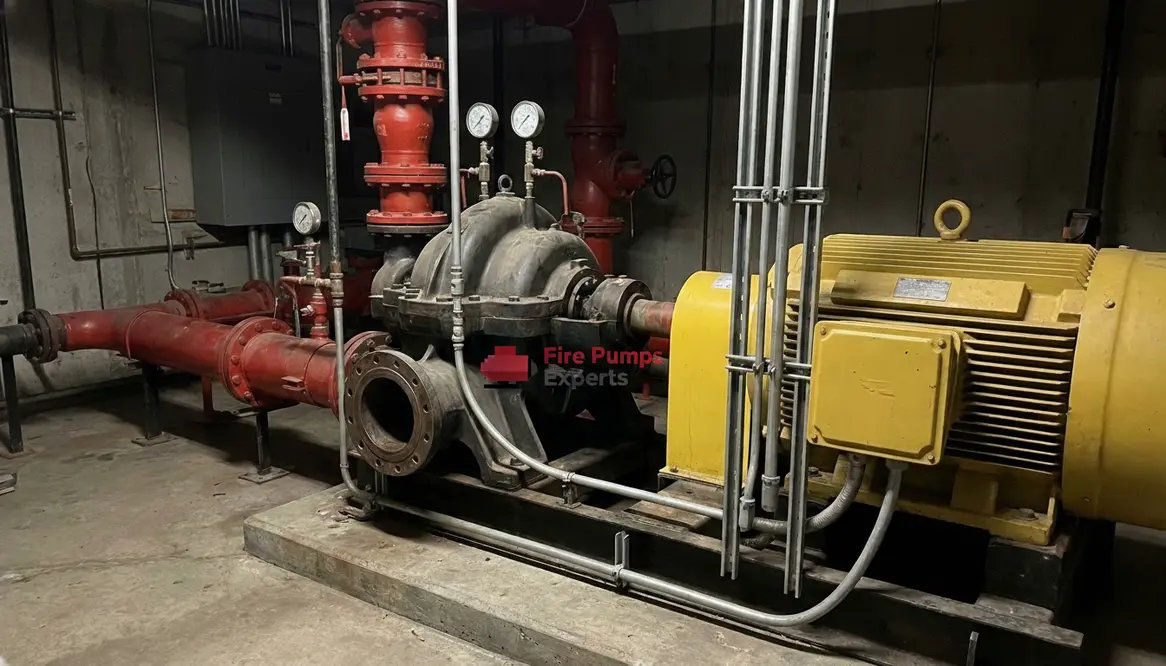
Horizontal Split Case Fire Pump for Large Properties
When I talk about keeping a commercial building or industrial site protected, I always come back to the horizontal split case fire pump. It sits at the center of many fire protection systems because it moves a lot of water fast, and it does it with a kind of calm confidence that would make even a storm look underdressed. In plain terms, this pump helps deliver the pressure and flow a sprinkler or hydrant system needs when a fire breaks out. And since we are dealing with major properties and busy facilities, that matters a great deal. If you manage a warehouse, tower, plant, or campus, you want equipment that works like a veteran, not a drama queen.
What a Horizontal Split Case Fire Pump Does
A horizontal split case fire pump takes water from a supply source and pushes it through a fire protection system at the right pressure. I like it because the design handles high flow well, which suits large commercial and industrial sites. The pump casing splits along a horizontal center line, so technicians can open it without removing the entire piping setup. That matters during service, because no one wants a full system teardown just to inspect the guts of a machine. Well, unless they enjoy a long afternoon and a headache.
Here is the simple idea: water enters the pump, the impeller spins, and the pump adds pressure. Then the water moves into the fire network. The process sounds modest, but in an emergency, that pressure can help save property, limit damage, and support safe evacuation.
How the Pump Moves Water Inside the Casing
Inside the pump, a motor or engine turns a shaft connected to the impeller. As the impeller spins, it creates centrifugal force. That force throws water outward from the center of the impeller toward the edges. As a result, the pump raises the water pressure. Then the casing collects that water and directs it into the discharge line.
I find the split case design smart for another reason. Because the impeller sits between two bearings and the casing opens in two halves, the pump stays stable and easier to service. Also, the design helps reduce vibration. Less vibration means smoother operation and less wear over time. In the world of fire protection, quiet competence beats flashy behavior every single day. Think of it as the Batman of fire pumps, except with more stainless steel and less brooding.
Why the Split Case Design Works So Well
The split case design gives the pump a few real advantages for major properties:
First, it supports high flow rates, which makes it ideal for large buildings and industrial systems.
Second, it allows easier access for inspection and repair, since technicians can open the casing without disturbing the piping layout.
Third, it often runs with good efficiency, which helps the system perform reliably during demand.
Finally, it tends to handle continuous service well when the site needs dependable fire protection.
That said, I never treat any pump as magic. It still needs proper sizing, routine checks, and good installation. If the pump does not match the building demand, it may not deliver what the system needs when conditions turn serious.
What I Check During Installation and Use
When I evaluate a horizontal split case fire pump, I focus on the basics first. I look at flow demand, pressure needs, water supply, and the layout of the fire protection system. Then I check whether the suction piping and discharge piping support steady movement of water. A weak setup can cause problems like cavitation, loss of pressure, or poor performance. And trust me, cavitation is one uninvited guest nobody wants at the party.
Dual view of performance and care
| What helps performance | What helps long term care |
| Correct sizing for the property | Regular inspection of bearings and seals |
| Stable water supply | Checking alignment and vibration |
| Proper suction and discharge piping | Testing the pump on schedule |
| Clean system conditions | Watching for leaks, noise, or heat |
This view matters because a pump only does its job well when the whole system supports it. In other words, the pump is the lead actor, but the supporting cast still has to show up on time.
FAQ About Horizontal Split Case Fire Pumps
Why This Pump Fits Serious Properties
I like the horizontal split case fire pump because it brings reliability, strong flow, and easier service into one package. For commercial and industrial properties, that combination carries real value. You do not want a system that only looks impressive on paper. You want one that stands ready, runs smoothly, and supports life safety when seconds count. So, if you manage a major property and want to strengthen your fire protection plan, now is the time to review your pump setup, confirm your specs, and make sure the system is ready before trouble arrives.
And when you build that plan around a horizontal split case fire pump that is sized correctly and maintained on schedule, you get a steady performer that helps keep your facility’s response quick, organized, and dependable.