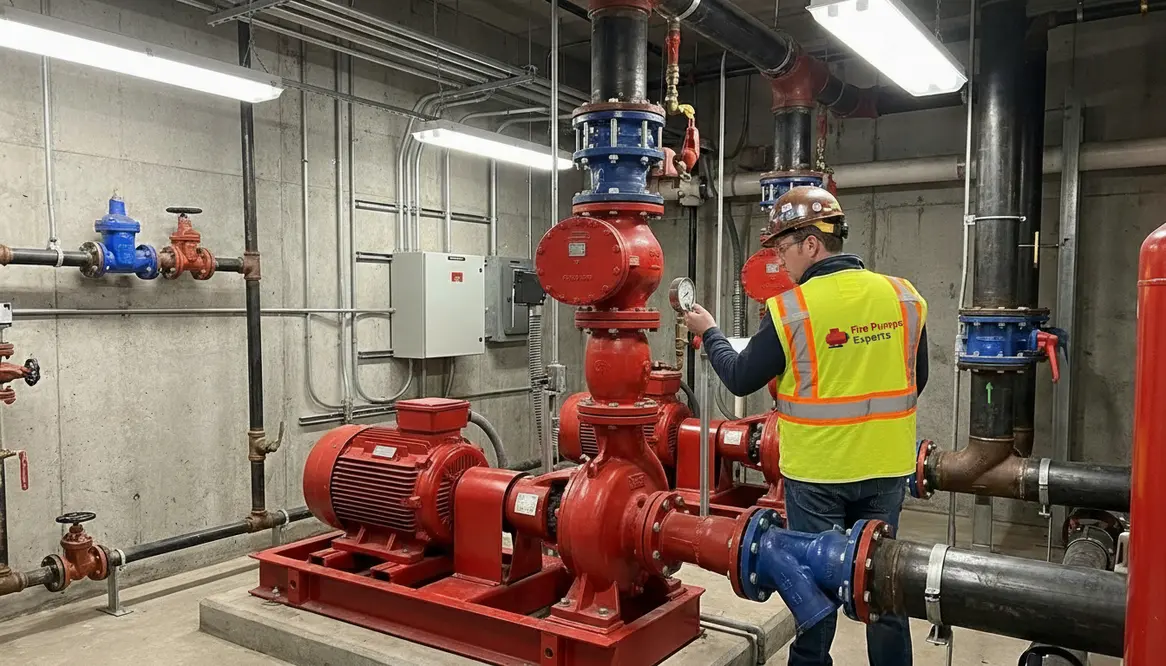
LPS 1131 Fire Pump Certification Explained
When I talk about LPS 1131 certification, I am talking about a standard that helps commercial and industrial buildings keep fire pumps ready when it matters most. In plain words, it is one of those behind the scenes systems that nobody cheers for at the start, but everyone is grateful for when the alarm sounds. I have seen how a well certified fire pump can make the difference between a small incident and a very expensive disaster, and that is not the kind of drama anyone wants on a Monday.
This guide breaks down what the certification means, why it matters for major properties, and how I approach the process in real life. I will keep it simple, useful, and practical, because fire safety already has enough paperwork to fill a small moon.
What I Mean by LPS 1131 Fire Pump Certification
LPS 1131 fire pump certification is a process that checks whether a fire pump system meets the right performance and quality standards. I use it to confirm that the pump can do its job during a fire and that the system fits the demands of large commercial and industrial sites. These are not small, one room buildings. I am talking about warehouses, manufacturing plants, data centers, shopping complexes, and other major properties where water pressure and flow can decide the outcome.
The certification looks at design, build quality, testing, and long term reliability. It also helps owners, facility teams, and insurers trust that the pump was not just installed and left to hope for the best. Hope is fine for a movie plot. It is not a fire protection plan.
Why Commercial and Industrial Facilities Need It
I focus on commercial and industrial facilities because they face bigger risks, heavier loads, and more complex fire protection needs. A fire pump in a major building must support sprinklers, standpipes, and other suppression systems under pressure. If the pump fails, the whole protection chain can weaken fast.
Here is why I see the certification as important:
It supports system trust for owners, contractors, and insurers.
It helps reduce downtime by finding weak points before an emergency.
It improves compliance with fire safety expectations in large properties.
It gives clear proof that the pump has passed a formal check.
For big sites, that proof matters. A certified pump gives decision makers more confidence, and confidence is powerful when the building is full of people, stock, or critical operations. Even Batman likes a backup plan.
How I Approach the Certification Process
When I look at LPS 1131 certification, I treat it as a step by step review, not a quick stamp. The process usually starts with a review of the pump design and the system layout. Then I look at the build quality, the materials, and the way the unit fits the site’s fire needs. After that, testing confirms whether the pump can deliver the required flow and pressure.
In practice, I pay close attention to these parts:
- pump performance under expected demand
- driver and control reliability
- installation quality and site fit
- access for inspection and maintenance
- records that show testing and follow up
Transitioning from design to testing is where the real story shows up. A system may look solid on paper, yet still need adjustments once it meets the real world. That is why this process matters. It does not just check boxes. It checks whether the pump can actually do the work.
What I Check During Testing and Review
If you want the short version, I check whether the pump performs like a reliable workhorse. However, the long version matters more. I look at suction conditions, discharge pressure, flow rate, and the ability to run under stress. I also review whether the system stays steady when conditions change. That kind of consistency matters in large buildings where fire risk can spread fast.
Certification Area
Performance, build quality, system fit, testing, documentation
Why It Matters
Helps the pump work during a fire and supports trust, safety, and compliance
I also look at maintenance access. A certified fire pump is only useful if the team can inspect it, service it, and keep it ready. In other words, the system should not hide like a cat when it is time for a checkup.
Common Mistakes I See With Fire Pump Certification
Over time, I have seen a few mistakes show up again and again. First, some teams assume installation alone means the job is done. It does not. Second, some sites delay testing until there is a problem, which is a bit like waiting for a roof leak during a storm to buy a bucket. Third, some owners overlook maintenance records, and that can create gaps in trust and compliance.
Another common issue is choosing a system that does not match the property’s real fire demand. For a large warehouse or industrial plant, that mismatch can turn into a serious weakness. So, I always push for a proper review before anyone calls the project finished.
Where LPS 1131 certification fits into your wider fire strategy
LPS 1131 certification should not sit in a folder and gather dust. It connects to your risk assessments, insurance expectations, and long term capital planning. When it is treated as a living part of the fire strategy, it becomes a practical tool instead of a one time hurdle.
Tying it into monitoring, periodic testing, and staff awareness keeps your fire pump from being a mystery box in the plant room. The more transparent the system is, the easier it is to defend budgets, win insurer confidence, and keep people safe.
Practical Next Steps for Your Site
If you are responsible for a larger facility, treating LPS 1131 certification as a once and done task is risky. It works far better as part of a cycle: understand your hazards, confirm that the pump and associated systems meet the right standard, then keep proving that standard over time with testing and records.
Start with a simple question: if the fire alarm went off in the next ten minutes, how confident are you that the fire pump will deliver what the building demands? If the answer is anything less than solid, it is time to look at certification status, maintenance history, and whether the pump truly matches your current fire load.
For some sites, that review links naturally into wider upgrades, such as improving water supplies, updating controls, or tying monitoring into a central dashboard. LPS 1131 certification does not replace those pieces, but it gives a structured check that the fire pump at the heart of the system can carry its share of the load.
If you want more background on how certified fire pumps fit into the overall reliability picture for fire systems, resources at https://firepumps.org can help you see how different standards, testing practices, and maintenance regimes all connect.
Conclusion
If you manage a commercial or industrial property, I strongly recommend taking LPS 1131 certification seriously and treating it as part of your fire protection strategy, not a paper task. A certified fire pump supports safety, trust, and smoother operations when pressure rises, in both the literal and business sense. If you want better confidence in your system, now is the time to review your pump, check your records, and make sure your facility is ready for the moment that matters.