Missing Fire Pump Performance Curve: Rebuild the Story
When a fire pump performance curve missing from the job file, I do not shrug and move on. I start digging, because that curve tells me how the pump should behave under pressure, flow, and real life stress. In commercial and industrial buildings, that matters more than a catchy alarm tone in a movie scene. If the curve is gone, I have to rebuild the story from the pump itself, the system around it, and the clues left behind. That is how I protect major properties, and frankly, how I keep the fire pump from acting like a diva on inspection day.
What I Check First When the Curve Is Gone
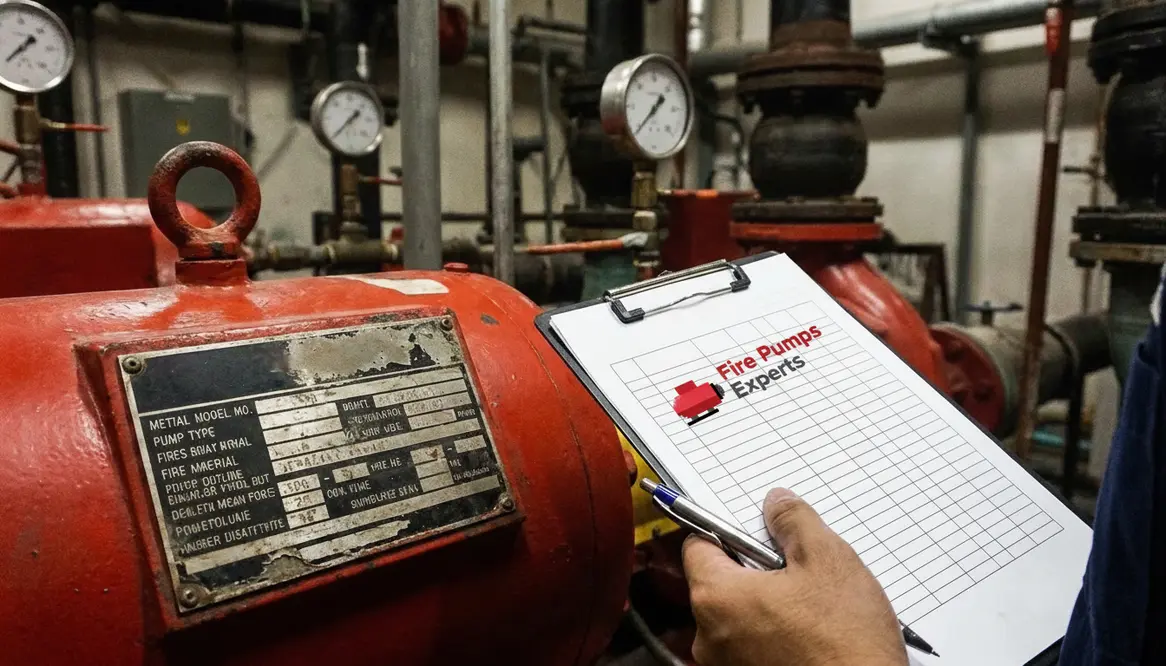
When the fire pump performance curve missing, I begin with the basics. I look at the pump nameplate, model number, impeller size, speed, driver type, and original submittals. Then I compare those details with the installation notes and any old test reports I can find. These records often reveal the pump’s expected flow at rated pressure, even if the actual chart vanished into the same place as lost hotel socks.
I also inspect the installation itself. A pump that sits too far from its design point can show weak flow, strange vibration, or pressure swings. So, I check suction conditions, discharge piping, valves, and controller settings. Each part helps me rebuild the curve in a practical way, not just on paper.
How I Rebuild the Fire Pump Story from System Clues
I do not rely on guesswork. Instead, I use system clues to narrow the pump’s true range of operation. I read pressure gauges, test header data, churn readings, and flow test results. If the pump has been tested before, those numbers often show a pattern. And if I spot a steady drop in performance, I know the problem may not be the pump alone. It could be the suction supply, worn internals, or a control issue trying to look innocent.
Here is the short version of what I study:
- Flow data from past acceptance or annual tests
- Pressure behavior at churn, rated flow, and overload flow
- Motor or engine load under test conditions
- Signs of wear on the impeller, casing, seals, and bearings
- Suction issues like blockage, air leaks, or poor water supply
These points help me understand whether the pump still matches its design intent. And that is the whole game.
What Technicians Look for During Field Testing
When the curve is missing, field testing becomes the star of the show. I run the pump through controlled tests and watch how it responds at different demand levels. I want to see whether the pressure drops in a clean, expected way as flow rises. If the curve were a person, this is where I would ask, “Do you even lift?”
I pay close attention to three things. First, I check whether the pump reaches rated pressure at rated flow. Second, I look for churn pressure that sits inside a safe range. Third, I confirm that the pump can handle higher demand without a sudden falloff. A healthy pump should feel predictable, even when the building system asks for a lot.
Dual view of the same inspection:
- Left side: what the pump should do on paper
- Right side: what the pump actually does in the field
That comparison tells me fast whether the system is fine, borderline, or ready for a very expensive bad day.
Why Missing Curve Data Matters for Commercial and Industrial Sites
For commercial and industrial facilities, a missing curve is not a small paperwork problem. It affects confidence in the entire fire protection setup. I need that curve to confirm the pump can support high demand areas, tall risers, large water mains, and other major property systems that depend on steady pressure. Without it, I cannot verify how far the pump can go before performance drops.
That is why I treat a missing curve like a red flag, not a minor note. It can hide old wear, bad modifications, or even a pump that no longer matches the building load. In a large facility, that can turn into a safety issue fast. And no one wants that kind of surprise during an inspection, unless they enjoy paperwork and panic at the same time.
If you need support for a commercial or industrial fire pump system, I often point teams to los angeles fire pump service for more direct help. For related electrical needs, industrial electrical support can also matter when pump controls, wiring, or power issues enter the picture. For broader protection planning, fire sprinkler service resources may help align the whole system.
The Action Plan
Once I confirm the issue, I move from detective work to action. If the pump still performs well, I document the findings and rebuild the curve from test data.
If Performance Is Weak
If the results show weakness, I recommend repair, recalibration, or replacement parts based on the cause. I also suggest a fresh baseline test so the site has a clean reference going forward.
Why It Matters
In many cases, the smartest move is not dramatic. It is disciplined. I want solid records, clean readings, and a pump that behaves like it belongs in a serious building, not in a soap opera.
What I Recommend After I Confirm the Problem
Once I confirm the issue, I move from detective work to action. If the pump still performs well, I document the findings and rebuild the curve from test data. If the results show weakness, I recommend repair, recalibration, or replacement parts based on the cause. I also suggest a fresh baseline test so the site has a clean reference going forward.
In many cases, the smartest move is not dramatic. It is disciplined. I want solid records, clean readings, and a pump that behaves like it belongs in a serious building, not in a soap opera.
FAQ
When the fire pump performance curve missing, I do not leave the site with guesses. I look deeper, test smarter, and match the pump to the real needs of the building. If your commercial or industrial property needs a clear answer, I can help you move from uncertainty to proof. Reach out, get the system checked, and let us make sure your fire pump performs with the kind of confidence a major facility deserves.