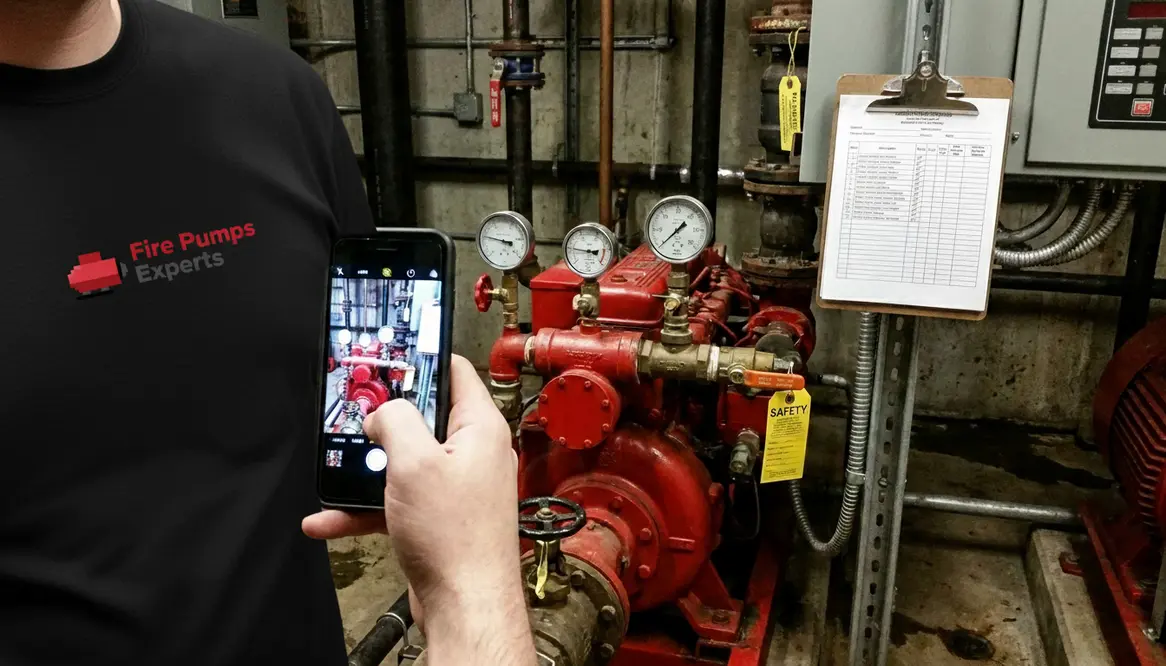
Monthly Fire Pump Inspection Checklist Guide
I have walked through enough mechanical rooms to know this truth: a fire pump does not care about your schedule, your budget, or your last inspection report. It either works, or it doesn’t. That is why a monthly fire pump inspection is not just another box to check. It is a quiet agreement between you and your building that says, “When things go wrong, we will be ready.” And yes, while it may not be as thrilling as an action movie explosion, it is the reason your story does not turn into one.
What do I actually check during a monthly fire pump inspection?
Let me keep this simple and useful. When I perform a routine fire pump check, I focus on function, reliability, and early warning signs. Because, frankly, the pump will not send you a polite email before it fails.
First, I start with a visual scan. I look for leaks, unusual vibrations, and anything that seems out of place. If something looks like it belongs in a horror movie basement scene, it probably needs attention.
Next, I verify that the controller shows normal status. Then I check power availability and confirm that all valves are in the correct position. After that, I run a churn test. This means I let the pump run without flowing water to confirm it starts and operates smoothly.
Finally, I document everything. Because memory is great, but records are better when inspectors show up.
Monthly fire pump inspection checklist for commercial buildings
When managing large commercial or industrial properties, consistency matters. I follow a structured checklist so nothing slips through the cracks.
Mechanical checks
- Inspect pump casing and seals for leaks
- Check suction and discharge pressure readings
- Confirm proper lubrication levels
- Listen for unusual noises during operation
Electrical and control checks
- Verify controller power indicators
- Test alarm signals and indicators
- Confirm automatic start function
- Check battery condition if applicable
In addition, I always confirm that jockey pumps are functioning correctly. Because while the main pump gets the spotlight, the jockey pump is the quiet sidekick keeping pressure stable. Think Batman and Alfred, but with fewer capes.
Why consistency matters more than intensity
It is tempting to treat inspections like a once in a while deep clean. However, fire protection systems reward consistency, not heroics. A steady inspection routine catches small issues before they grow into expensive failures.
For example, a minor pressure drop today could signal a developing leak. If ignored, that same issue could compromise the entire system during an emergency. Therefore, I approach each inspection like a conversation with the equipment. It tells me what it needs if I pay attention.
Also, regular checks help meet compliance standards for large facilities. Inspectors do not just want to see that you did the work. They want proof that you did it regularly and correctly.
Common mistakes I see in commercial facilities
Now, let me be honest. I have seen some things. Some of them would make a fire marshal raise an eyebrow so high it leaves the building.
One common mistake is skipping documentation. If it is not recorded, it might as well not have happened. Another issue is ignoring small warning signs like minor leaks or delayed starts. These are not quirks. They are early warnings.
Additionally, I often see valves left partially closed after maintenance. That is like leaving your front door half locked and hoping for the best. It defeats the purpose entirely.
Finally, relying on untrained personnel can lead to missed issues. Fire pumps are not complicated, but they do require informed attention.
How I keep inspections efficient without cutting corners
Efficiency is not about rushing. It is about knowing exactly what to look for. Over time, I have developed a rhythm.
First, I follow the same sequence every time. This reduces the chance of missing a step. Then, I use clear logs that allow me to compare current readings with past data. Patterns tell a story, and I like to listen.
Moreover, I keep tools and documents ready before I begin. Because nothing slows you down like searching for a clipboard while a pump hums impatiently nearby.
And yes, I allow a moment to actually listen to the system. Machines have a language. Sometimes it sounds like a hum. Sometimes it sounds like trouble.
FAQ: Monthly fire pump inspection essentials
Keep your system ready before it is needed
A monthly fire pump inspection is not about compliance alone. It is about control. It is about knowing that when pressure rises and alarms sound, your system responds without hesitation. If you manage a commercial or industrial facility, now is the time to take that responsibility seriously. Build a routine, document it היט, and when needed, bring in professionals who understand the stakes. Because when the moment comes, readiness is everything.