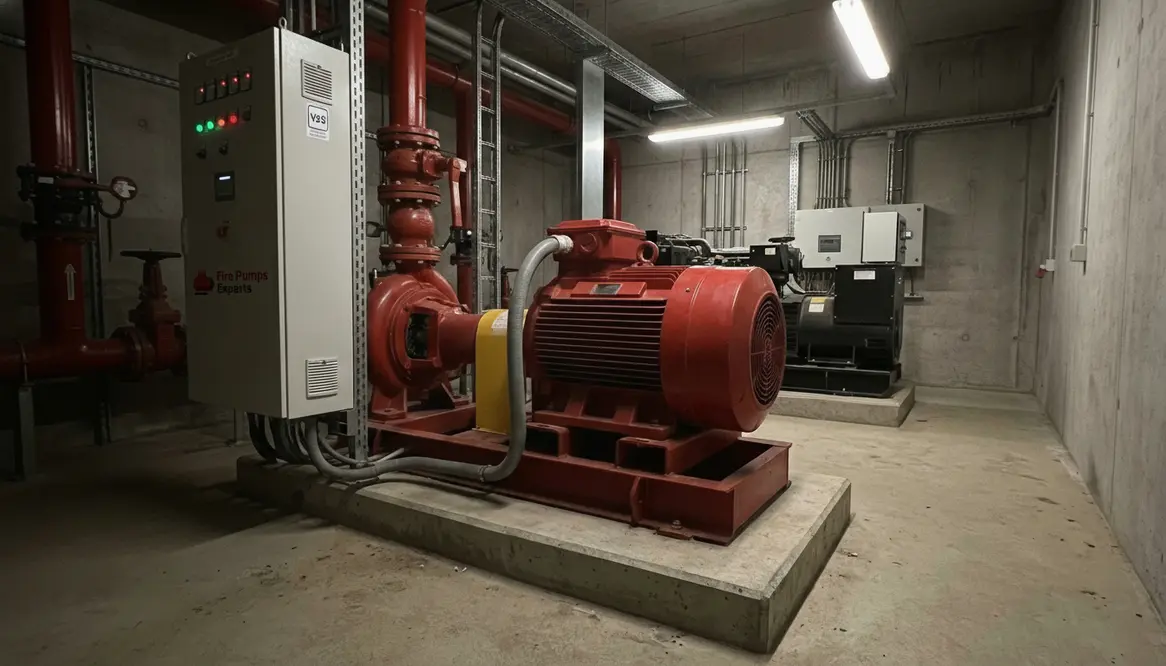
VdS CEA 4001 Electric Fire Pump Requirements Guide
How I review VdS CEA 4001 electric fire pump setups so they act like the quiet hero of the fire protection room instead of a very expensive paperweight.
VdS CEA 4001 electric fire pump requirements: what I look for
When I review VdS CEA 4001 electric fire pump requirements, I am not just looking at a rulebook. I am looking at the heartbeat of a commercial fire protection system. For large buildings, warehouses, factories, and other major properties, the electric fire pump must do one thing very well: start fast and keep water moving when everything else is already having a very bad day.
That sounds simple, until you meet the real world. Power issues, control failures, weak installation practices, and sloppy testing can turn a strong system into a very expensive paperweight. So, I take this standard seriously, and yes, I treat it like the quiet hero of the fire protection room.
Why this standard actually helps
The good news is that VdS CEA 4001 gives clear direction. Even better, it helps me focus on reliability, power supply, control equipment, testing, and installation quality. In this guide, I walk through the main requirements in plain language, with a business casual tone and just enough humor to keep the smoke detector from stealing the show.
If you care about commercial protection, think of the VdS CEA 4001 electric rules as the backbone of your fire pump strategy, not just another checkbox in a binder.
What the standard expects from an electric fire pump
At its core, the standard wants the pump to deliver dependable water flow for fire suppression in commercial and industrial properties. I always start with the basics: the pump must match the system demand, and it must do so under emergency conditions. That means the selected pump has to support the needed pressure and flow without drama. No diva behavior. No “I work better after my second coffee.” Just solid performance.
In practice, I look at the full pump set, not only the motor. The driver, controller, suction supply, discharge piping, valves, and monitoring all matter. If one part fails, the whole system can stumble. Therefore, I check that the layout supports fast starting, stable operation, and easy access for inspection and maintenance. For large property owners, this is not just a compliance task. It is risk control with a hard hat on.
Key performance expectations
- Deliver the required flow and pressure at the design duty point
- Start automatically on command from the fire protection system
- Run stably without hunting, stalling, or nuisance trips
- Allow safe access for routine checks, maintenance, and repairs
When I talk about VdS CEA 4001 electric expectations with owners, I frame it as proof that the pump can keep its promise when the sprinklers call for help.
How I check power supply and control reliability
Electrical supply is one of the biggest issues in fire pump design. If the power source is weak or poorly arranged, the pump may fail right when the building needs it most. So, I make sure the pump has a dedicated and reliable supply path. I also verify that the control panel supports automatic starting and gives clear fault signals. In other words, the system should not play hide and seek during an emergency.
Power and control checklist
- Power source must stay dependable under fire conditions.
- Control gear must start the pump automatically when pressure drops.
- Alarms and status signals must be clear and easy to monitor.
- Wiring and protection must reduce the chance of nuisance trips.
Backup supply reality check
I always pay attention to backup planning. If the site has a generator or another supported supply, I want it integrated in a way that makes sense for the property. For a commercial facility, lost pumping capacity can mean lost inventory, damaged assets, and a whole lot of very unhappy people in suits.
Done right, the VdS CEA 4001 electric approach to power and control turns “I hope it works” into “we know it works.”
Installation and performance checks I never skip
Once the pump is selected, installation quality becomes the next battle. A great pump installed badly is still a problem. So, I check alignment, pipe support, suction conditions, vibration control, and room conditions. The pump room must stay clean, accessible, and protected from heat, flooding, and accidental damage. That sounds basic, but basic is often where projects fall apart. Human nature loves a shortcut until the shortcut starts a fire safety issue.
Performance testing matters just as much. I want proof that the pump starts correctly, reaches the expected duty point, and stays stable during operation. I also look for test arrangements that let teams verify the system without damaging it. Regular testing gives me confidence that the pump will not become a very expensive decoration.
My non‑negotiable installation points
- Correct pump and motor alignment, with proper base and grout.
- Pipe support that prevents stress on the pump casing and flanges.
- Good suction conditions, with enough straight length and no wild fittings.
- Vibration control to protect both the pump and the connected pipework.
- Room conditions that protect against overheating, flooding, and impact damage.
Testing that proves performance
I look for arrangements that allow full‑flow and partial‑flow tests without abusing the system. Flow meters, test headers, and clear procedures matter. When the site team can test easily, the VdS CEA 4001 electric pump rules stop being theory and start being verified reality.
Dual view of the main VdS CEA 4001 electric checks
Below is a simple way I organize the key checks when I assess a commercial or industrial fire pump setup.
| Requirement Area | What I Verify |
|---|---|
| Power supply | Dedicated and reliable feed for emergency use |
| Controller | Automatic start, alarms, and clear fault display |
| Pump sizing | Correct flow and pressure for the system demand |
| Installation | Proper support, alignment, and room access |
| Testing | Routine checks that confirm real performance |
This view helps me keep the review practical. It also helps owners and facility teams see where the weak spots may be hiding. And trust me, weak spots love to hide. They are the raccoons of fire protection.
Where VdS CEA 4001 electric matters most in large facilities
I see the biggest value of VdS CEA 4001 electric guidance in places where fire risk and business loss rise fast. That includes industrial plants, logistics centers, shopping complexes, data halls, high rise property, and other major buildings with serious occupancy or asset value. In these sites, the pump must support the sprinkler or fire water system without delay. It must also fit the site’s operating pattern, maintenance plan, and risk profile.
Because these properties often run long hours and carry high value equipment or stock, I recommend a design and review process that brings engineering, safety, and operations together early. That way, the pump does not end up as an afterthought. Nobody wants to discover a design flaw after a live fire test, especially not in a building that stores enough value to make a superhero nervous.
If you want extra reading on fire pump fundamentals, https://firepumps.org is a useful reference point alongside the VdS CEA 4001 electric framework.
FAQ
Conclusion
If I want a fire pump to protect a serious commercial or industrial property, I start with VdS CEA 4001 electric requirements and build from there. The standard helps me focus on what matters most: power, control, installation, and testing. If your facility needs a stronger fire pump strategy, now is the time to review your setup, close the gaps, and make sure the system is ready when it counts. Quiet confidence beats frantic repairs every time.