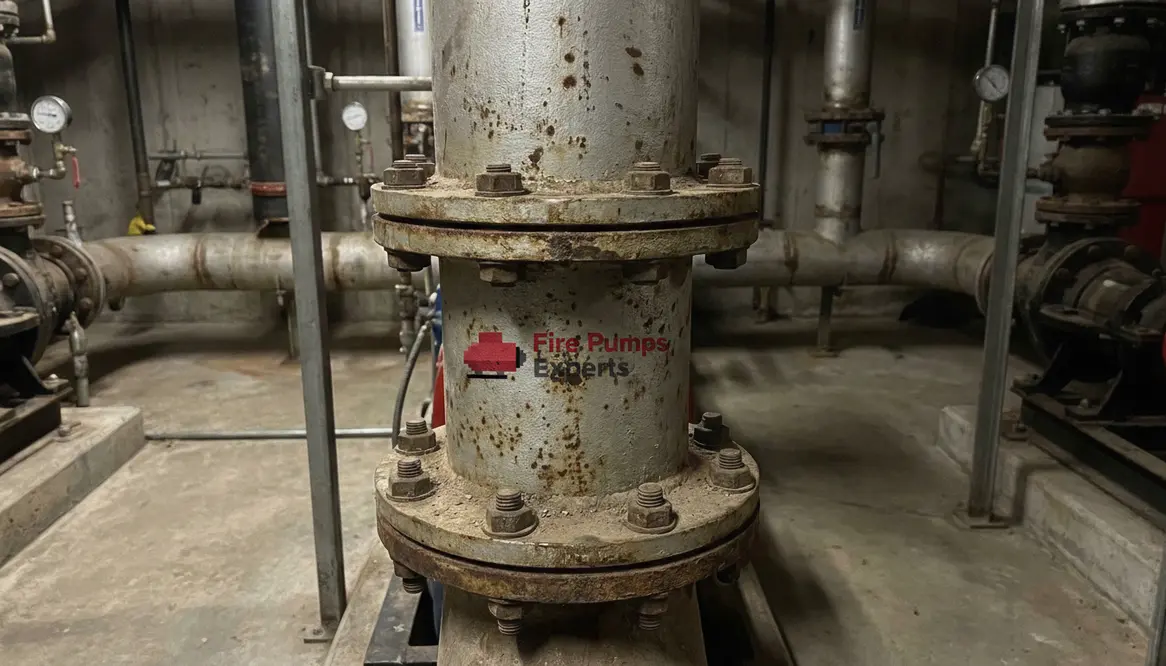
Vertical Turbine Fire Pump Column Pipe Purpose and Wear
Purpose
When I talk about fire protection in large commercial and industrial buildings, I always come back to one quiet workhorse: the vertical turbine fire pump column pipe. It does not chase attention, and it rarely gets applause.
However, it keeps the pump moving water from the source to the fire system when the stakes are high and the clock feels rude.
Wear
I like to think of it as the backbone inside the pump assembly. If it wears out, the system can lose strength, lose flow, or lose time.
In fire protection, time is not a friendly guest.
Inspection
So let me break down what this part does, how it wears, and how I inspect it with a calm eye and a firm grip on reality.
It is not glamorous, but neither is a fire at 2 a.m.
What the column pipe does in a vertical turbine fire pump
The column pipe connects the bowl assembly at the bottom to the discharge head at the top. In plain terms, it gives the pump a path to lift water from a well, tank, or sump and send it where it needs to go.
Because vertical turbine fire pumps serve commercial and industrial facilities, the column pipe must handle steady movement, pressure, and vibration without drama. Sadly, machines do not enjoy drama any more than a Monday morning staff meeting.
Inside the pipe, the pump shaft runs through bearings that support smooth rotation. Meanwhile, the water flow through the column helps cool and lubricate the system in many designs.
That is why the pipe is not just a hollow tube. It works as part of the full pumping chain. If the pipe bends, corrodes, or loses alignment, the entire system can start acting like it skipped leg day.
How I check wear in the vertical turbine fire pump column pipe
I look for wear in three main ways. First, I check for corrosion on the inside and outside surfaces. Second, I look for signs of abrasion, especially where water quality carries grit or sand.
Third, I inspect the joints, flanges, and alignment points for looseness or stress. Wear often starts small. A little rust here. A thin patch there.
Then one day, a minor issue turns into a real problem during a pump test. That is why I never treat the column pipe like background scenery. It deserves close attention.
I also listen during operation. Strange vibration, noise, or a change in pump performance can point to pipe wear or shaft trouble. So yes, I inspect with my eyes, ears, and a healthy respect for what can go wrong.
What causes damage in fire pump column piping
Several things can shorten the life of the column pipe. Water quality sits near the top of the list. If water contains sand, scale, or corrosive minerals, the pipe surface can wear faster. In addition, poor installation can create misalignment, which puts stress on the whole assembly.
Over time, that stress can work like a slow cough that never quite goes away. Here are the most common causes I watch for:
- Corrosion from poor water conditions
- Abrasion from grit, sand, or debris
- Misalignment during setup or repair
- Excess vibration from worn parts
- Loose fasteners or weak supports
Also, if a facility runs a pump hard and never checks it, wear can move in quietly. It is the kind of guest that shows up uninvited and refuses to leave. That is why inspection schedules matter just as much as the hardware itself.
How I inspect a vertical turbine fire pump column pipe
When I inspect a vertical turbine fire pump column pipe, I start with the records. I want to know the age, service history, past repairs, and test results. Then I move to the physical inspection.
I look for rust, pitting, leaks, seal issues, and any signs of shaft rubbing. I also check the column alignment and verify that the joints hold tight.
For larger systems, I use a simple two part review:
Inspection focus
- Visual checks: surface wear, corrosion, leaks, paint loss, and loose parts
- Operational checks: vibration, noise, flow changes, and pressure behavior
This approach helps me catch both obvious damage and early warning signs. In addition, I pay close attention after any pump test or service work. That is often when small issues show their face.
Think of it as the pump’s version of a post credit scene. The real reveal comes after the main event.
Why routine inspection protects major properties
For commercial and industrial facilities, the goal is simple: keep the fire system ready. A column pipe that stays in good shape supports dependable pump performance.
That means less surprise, less downtime, and fewer costly repairs. More importantly, it supports fire safety for the entire property.
Routine inspection also helps teams plan ahead. Instead of waiting for failure, I can spot wear early and schedule repair before the issue grows. That saves money, cuts risk, and avoids the kind of emergency nobody wants on their calendar.
For more on system planning and service support, I also recommend reviewing this los angeles fire pump resource for commercial and industrial properties.
FAQ
Conclusion
If I want a fire pump to stay reliable, I do not ignore the column pipe. I inspect it, track wear, and fix small problems before they become big ones. That simple habit protects the pump, the property, and the people who depend on both. If your commercial or industrial facility needs better fire pump planning, now is the time to act. Review your system, tighten your inspection routine, and keep your vertical turbine fire pump column pipe ready for the moment that matters.