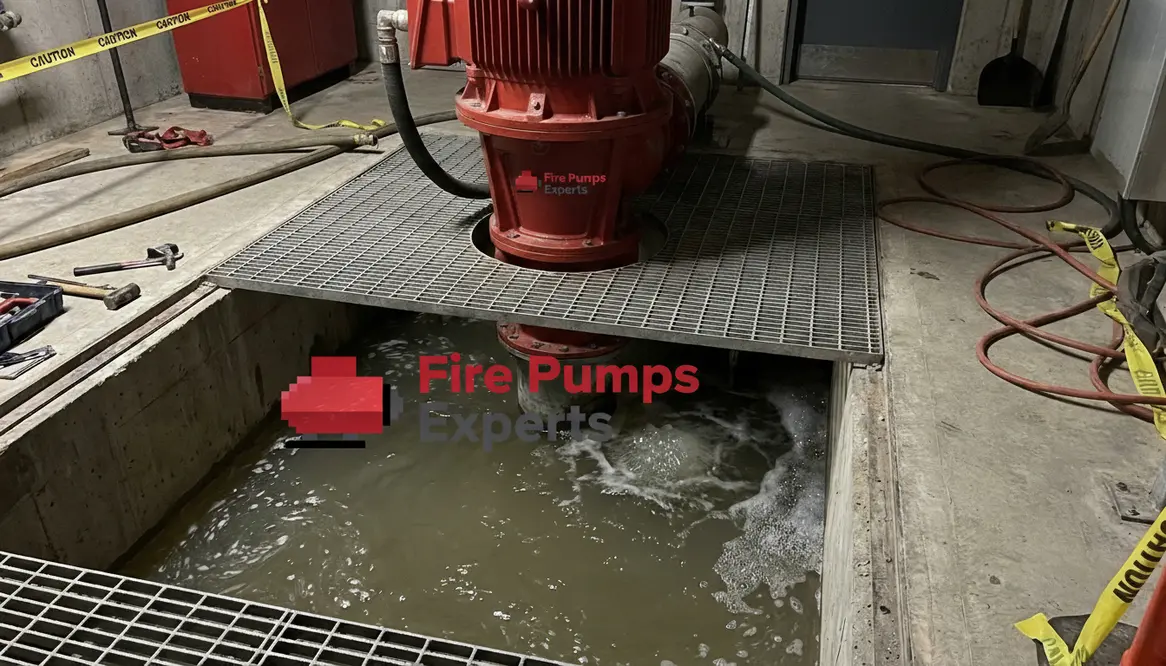
Vertical Turbine Fire Pump Suction Problems: Vortices, Air and Turbulence
I have seen a lot of fire pump rooms, and I can tell you this: vertical turbine fire pump suction problems rarely announce themselves with fanfare. They creep in quietly, then act like a bad sequel nobody asked for. In commercial and industrial facilities, and in major property buildings, suction trouble can weaken pump performance, invite air into the system, and create turbulence that turns a solid fire protection setup into a nervous one. So let me walk through what I look for, what causes the trouble, and how I handle it before it turns into a headline nobody wants.
Why suction conditions matter in vertical turbine fire pumps
Vertical turbine fire pumps depend on a steady flow of water into the intake. If that flow gets shaky, the pump cannot do its job with confidence. First, weak suction can drop pressure at the bowl assembly. Then the pump may pull in air, which breaks the water column and hurts discharge. In plain English, the pump starts acting like it is trying to drink through a straw with holes in it.
For large buildings and industrial sites, that matters a lot. A small dip in suction can become a serious issue when the pump is expected to support a fire system under stress. Therefore, I always treat suction design and field conditions as part of the fire protection system, not as a side note.
How vortices form and why they are trouble
Vortices form when water enters the suction area in a spinning motion instead of a smooth one. That swirl can drag air down into the intake. Once that happens, the pump may lose efficiency, vibrate more, and deliver uneven flow. In some cases, the pump may sound fine at first, then begin to misbehave right when the building needs it most. That is not the kind of drama anyone wants on the evening shift.
Several things can cause vortices. Low water levels, poor inlet layout, high intake speed, and bad placement of the suction bell all play a role. Also, if the basin has walls, corners, or obstructions that disturb flow, the water starts moving like it has a grudge. I pay close attention to the approach conditions because the pump cannot fix a messy inlet by itself. It just has to live with it.
Vertical turbine pump suction problems and air entry
vertical turbine pump suction problems are a troublemaker with a big ego. Even a small amount can reduce pump output and break the smooth hydraulic flow the system needs. Air can enter through surface vortices, loose fittings, worn seals, poor submergence, or turbulence around the intake. Once inside, it compresses and expands in ways that make performance unstable.
In my experience, air problems often show up as noise, vibration, pressure swings, or low discharge during testing. So, I do not wait for a full failure to investigate. I check the water level, the inlet depth, the suction geometry, and the physical condition of the basin. If the pump is inhaling air, it is already telling me something is off. Pumps are blunt that way.
What turbulence does to pump performance
Turbulence is the chaos that happens when water enters the suction area with too much movement and too little order. It can come from bad basin shape, nearby piping, sharp turns, or nearby equipment that disrupts flow. Unlike a calm, even intake stream, turbulent water can strike the suction bell unevenly. That creates vibration, stress, and loss of stable flow.
Here is a simple way I think about it:
| Water condition | What I see |
| Calm flow | Smooth intake and steady pump behavior |
| Swirl or vortex | Air entry and unstable suction |
| Choppy turbulence | Noise, vibration, and lower pump efficiency |
That table may look simple, yet it captures the heart of the issue. The pump wants order. The water arrives with attitude. My job is to restore peace.
How I diagnose the real source of the issue
When I inspect a system, I do not stop at the obvious symptom. I look at the full picture. First, I review the basin water level and compare it to the minimum submergence needs. Then I check for visible swirl, foam, or surface movement near the suction inlet. After that, I inspect the suction bell, structural layout, and any signs of blockage or poor alignment.
I also listen. A pump with vertical turbine fire pump suction problems often gives away clues through sound. Rough intake noise, vibration, and changes during test runs can point to air or turbulence. In addition, I watch the performance curve during testing. If flow drops or pressure wanders, I start tracing the intake path upstream. That usually leads me to the real cause faster than guessing ever could.
How to reduce suction problems in fire pump systems
The best fix starts with good design, and then good field care keeps it honest. I focus on these steps:
- Ensure proper submergence so the intake stays deep enough to avoid surface swirl.
- Keep inlet flow smooth by avoiding sharp turns, sudden contractions, and rough basin geometry.
- Inspect for air leaks in fittings, seals, and joints that could let air enter the system.
- Watch for obstructions such as debris, buildup, or nearby structures that disturb flow.
- Test under real conditions so performance reflects actual site behavior, not wishful thinking.
For deeper guidance on system design and protection for commercial and industrial properties, I also recommend reviewing fire pump resources for commercial facilities. And for local service support, see los angeles fire pump service.
FAQ
What causes vertical turbine fire pump suction problems?
Poor submergence, vortices, air leaks, and turbulence usually cause them.
How do I know if air is entering the pump?
You may hear noise, see vibration, or notice unstable pressure during testing.
Why are vortices bad for fire pumps?
They pull air into the intake and disrupt steady water flow.
Can turbulence reduce pump output?
Yes. It can lower efficiency and create unstable performance.
What is the best first check?
Start with water level, suction layout, and signs of swirl at the inlet.
Conclusion
If you manage a commercial or industrial property, do not wait for suction trouble to make the first move. I recommend a close review of your intake conditions, pump room setup, and test results before a small issue grows teeth. When you want steady performance and fewer surprises, get the system inspected, corrected, and kept in shape. A fire pump should stand ready, not guess. That is the whole game, and it is worth doing right.