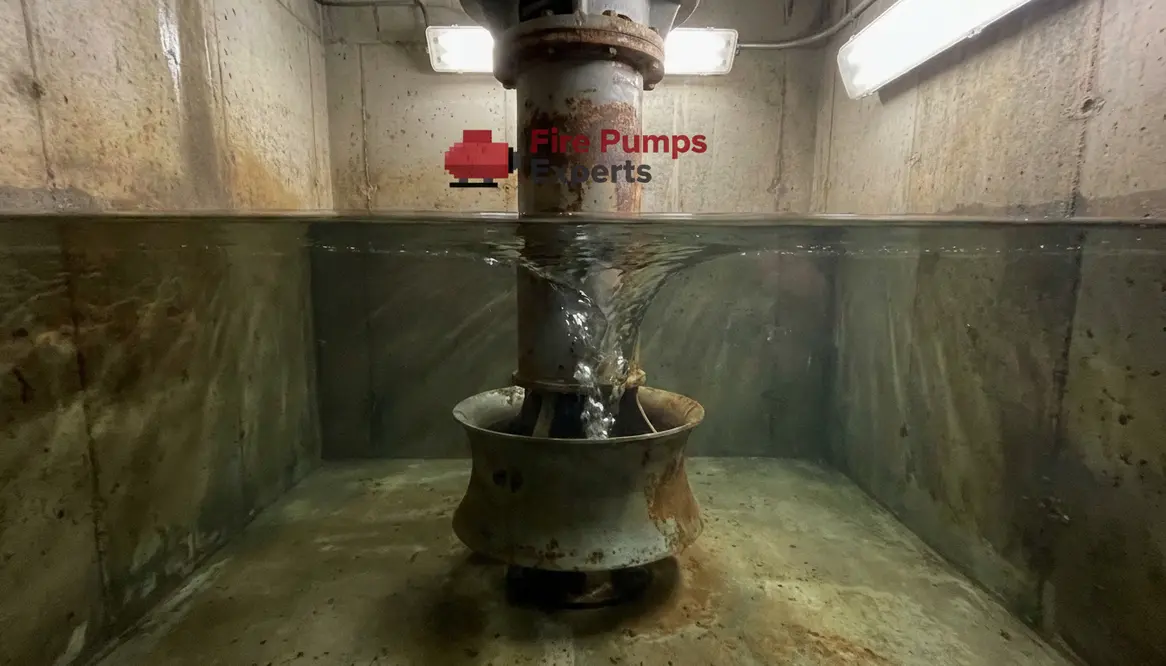
Vertical Turbine Fire Pump Minimum Submergence Explained
I like to think of vertical turbine fire pump submergence as the quiet hero in the room. Nobody cheers for it at a ribbon cutting, yet when a fire pump needs water, this detail decides whether the system runs smooth or starts gulping air like a tired runner after mile ten. In commercial and industrial facilities, the minimum water level at the pump intake matters more than most people realize. If the pump draws too close to the surface, vortices form, air enters the line, and performance drops. That is not the kind of surprise anyone wants during an emergency.
In this guide, I will break down what minimum submergence means, why it matters, and how I check it in real projects for major buildings and industrial sites. I will keep it practical, clear, and just a little fun. Even fire protection deserves a calm voice and a steady hand.
What minimum submergence means in a fire pump system
Minimum submergence is the smallest water depth needed above the pump intake to keep the flow stable. In plain terms, the pump needs enough water over the suction bell so it does not pull in air or create a whirlpool. That water cover helps the vertical turbine fire pump stay primed and ready. Without it, the pump can lose capacity, vibrate, and act like it forgot its job.
For fire protection, I treat this as a non negotiable design point. The pump must see steady, clean water. Therefore, I look at the intake setting, the basin shape, the water level range, and the flow demand together. One part by itself tells only half the story. The whole picture matters, as usual, because engineering loves a good plot twist.
Why vertical turbine fire pump minimum submergence matters
Minimum submergence protects pump performance and supports reliable fire flow. When water sits too close to the intake, the surface can spin and pull air into the suction. That creates a vortex. Once that happens, the pump may lose pressure, surge, or wear faster than expected.
For commercial and industrial properties, that risk can affect life safety systems, water supply reliability, and equipment life. Also, if the pump starts shaking like it just heard a plot twist in a thriller, that is a sign something went wrong. I watch for these issues because a fire pump must work in the worst moment, not merely on paper.
How I check the right submergence depth
I start with the pump curve, the intake geometry, and the water source details. Then I compare those to the expected operating range. I also look at water level changes during drought, peak use, and seasonal shifts. After that, I review whether the intake has enough room around it for smooth flow.
In practice, I use a simple checklist:
- Confirm the lowest expected water level.
- Measure the distance from that level to the pump intake.
- Review basin size and shape.
- Check for obstructions near the suction bell.
- Verify the design against the pump manufacturer data and applicable standards.
Here is the part many teams skip. Minimum submergence is not just a number. It is a condition. If the site changes, the answer changes too. That is why I recheck it whenever the water source, intake screen, or basin layout changes. In other words, vertical turbine pump submergence is only as good as the current site reality.
Vertical turbine pump submergence details for design teams
Design teams need to think beyond the pump itself. The water source, intake basin, and nearby walls all affect flow. For example, a narrow basin can push water toward the intake unevenly. Likewise, a shallow or badly shaped sump can create swirl even when the water depth seems fine. That is the kind of issue that hides in plain sight, like a villain in a movie with a great suit.
Project factor
Water level range
Intake location
Flow stability
Maintenance access
What I check
Lowest and highest levels during normal and emergency use
Distance from bottom, walls, and other flow blockers
Signs of swirl, vortex, or air draw
Room for inspection, cleaning, and testing
When I see a risk, I do not wait for a problem to announce itself. I address it early. That saves time, protects the system, and keeps the fire pump ready for real duty. And yes, vertical turbine fire pump submergence is where “almost” quietly turns into “not enough.”
How to avoid common mistakes
Many teams assume deeper is always better. Not always. Too much depth may not fix a bad basin shape or poor intake layout. Others rely on old site data and never revisit it. That can lead to trouble when water supply changes. I also see projects where people place the intake near a wall or floor surface and hope for the best. Hope is nice. Engineering is better.
To avoid these mistakes, I recommend a full review of site conditions, not just a quick glance at drawings. I also compare the design with current fire pump guidance and vendor data. For a broader look at system planning, I suggest reviewing this vertical turbine fire pump submergence guide. If you need a service reference for local support, you can also explore los angeles fire pump solutions.
When those details are ignored, vertical turbine fire pump minimum submergence stops being a design parameter and starts being a luck-based system condition. Not the vibe you want when things go loud and fast.
FAQ
Conclusion
I treat vertical turbine fire pump minimum submergence as a core part of system reliability, not a small detail tucked in the corner. When I verify it early, I protect performance, reduce risk, and help the pump do its one job without drama. If you manage a commercial or industrial facility, or you oversee a major property, I recommend reviewing your intake conditions now. A careful check today can prevent a very expensive lesson later.