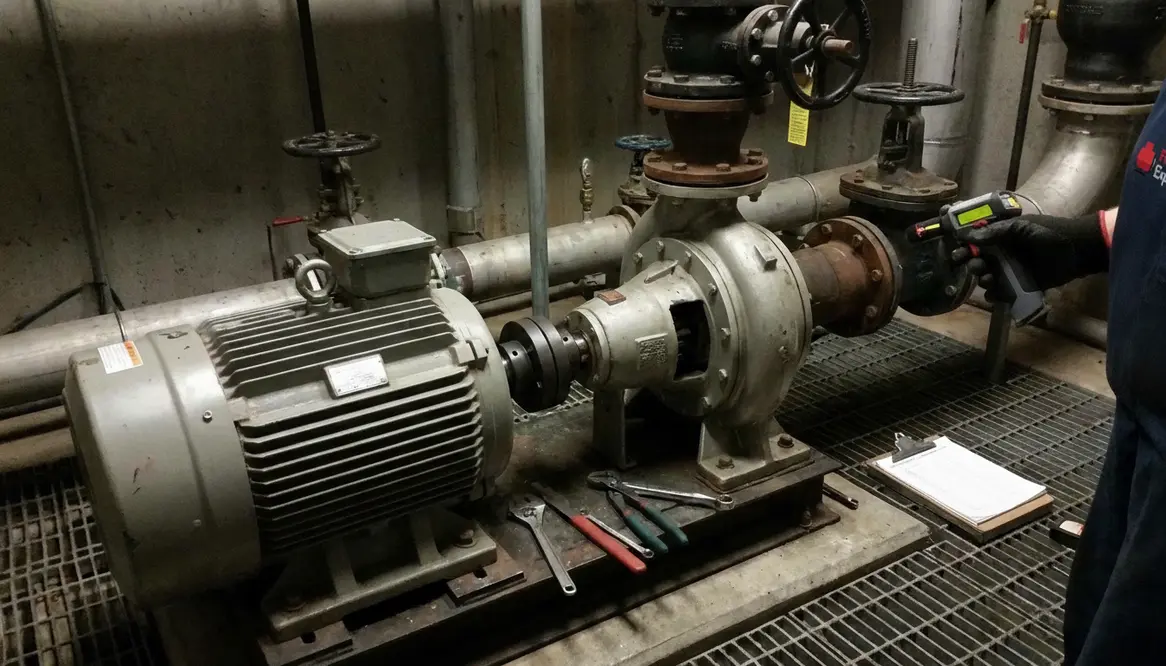
Vertical Turbine Fire Pump Shaft Alignment Explained
I have seen a lot of plant rooms in my time, and I can tell you this: vertical turbine pump alignment is one of those jobs that looks simple until it starts acting like a stubborn movie villain. In commercial and industrial buildings, and in major property sites, this work matters because a fire pump must start fast, run smooth, and keep doing its job when the pressure rises. If the shaft sits off center, the pump will complain in ways that cost time, money, and sleep. So, I am going to walk through what alignment means, why it matters, and how I approach it with care.
Before we go further, I want to be clear. This is not about small residential setups. I am speaking to large facilities, tall buildings, factories, warehouses, and other serious properties where fire protection has to perform without drama. And yes, the pump should work harder than the office coffee machine.
Why shaft alignment matters in a fire pump
Shaft alignment controls how the motor, driver, and pump line up during operation. When I check a vertical turbine fire pump, I look for smooth transfer of power from the motor to the pump assembly. If the shaft is off, the unit may vibrate, wear faster, or pull more current than it should. That is bad news, because heat, noise, and vibration do not belong in a fire pump room.
Good alignment helps the bearings last longer, keeps seals under less stress, and reduces the chance of early failure. It also supports stable operation during a fire event, when every second counts. In other words, alignment is not a fancy extra. It is basic survival for the equipment.
How I check vertical turbine fire pump shaft alignment
I start with the basics. First, I confirm that the base is solid and the mounting points are tight. Then I inspect the motor, coupling, and pump head for visible issues. After that, I measure the shaft position and check for any angular or parallel mismatch. If the system uses a coupling, I make sure the faces and gaps match the maker’s spec.
Here is the part many people miss. Vertical units can shift a little as they settle, so I do not treat the first reading like gospel. I recheck after tightening and after the equipment sits under load. That simple step can save a lot of trouble later. The pump may look calm on the outside, but inside it can be doing the mechanical version of dancing on a moving train.
What I look for during inspection
When I inspect the system, I focus on clues that point to poor alignment or hidden wear.
- Unusual vibration during start up or steady run
- Hot bearings or motor housing
- Uneven coupling wear
- Noise that changes as the pump loads
- Seal leaks or shaft rub marks
These signs do not always mean the alignment is bad, but they often point me in that direction. Therefore, I take them seriously. A fire pump should not sound like it is trying to win a role in a horror film.
Vertical turbine pump alignment steps I use on site
Step one through step five is where vertical turbine pump alignment stops being a buzzword and becomes a repeatable process.
Step one: I isolate the unit and make sure the area is safe to work in.
Step two: I inspect the foundation, bolts, and coupling parts for looseness or damage.
Step three: I measure the shaft and coupling positions with proper tools, then compare them to the maker’s numbers.
Step four: I adjust the motor or upper assembly as needed, then remeasure.
Step five: I run the pump, listen for changes, and confirm the readings hold under operation.
This process sounds plain, but it works because it follows order. First I look, then I measure, then I adjust, and finally I verify.
That rhythm matters. Fire pump work rewards patience, not speed for speed’s sake. And if you are building a reliable system, vertical turbine pump alignment is the part that sets everything else up to behave.
Common mistakes that ruin the job
I have seen a few classic mistakes over the years. Some teams rush the job and skip the final check. Others use the wrong tools or trust eyeballing, which is about as useful as using a spoon to fix a truck tire. Also, people sometimes align the unit cold and never check it again after startup. That can hide real movement.
Another mistake is ignoring pipe strain. If the piping pulls on the pump, alignment can shift even after a clean setup. So, I always look at the full system, not just the shaft. The pump does not live alone in a vacuum. It has neighbors, and those neighbors can cause trouble. That is why solid vertical turbine pump alignment work includes checking how everything feels together, not just how it looks during a snapshot.
How I keep the system reliable over time
I treat alignment as part of a wider care plan. Regular checks help me catch drift before it becomes damage. I also watch for bearing wear, coupling condition, and changes in vibration. When I see a pattern, I act early. That habit protects the pump and supports code ready performance in large facilities.
For teams that want deeper support, I also recommend reviewing this vertical turbine fire pump guide for more system context. And for local service planning, I use los angeles fire pump services as a helpful reference point for commercial and industrial sites.
In practice, that means you do not just set vertical turbine pump alignment once and forget it. You keep an eye on how the unit behaves as conditions change. Floors settle. Bolts relax. Piping moves. Bearings age. The good news is that early checks catch the drift before it turns into a bigger story.
A quick checklist for alignment confidence
- Foundation solid, bolts tight, and coupling faces aligned to the maker’s spec
- Measurements taken with proper tools and verified after tightening and under load
- Piping checked for strain so it does not quietly pull the pump out of position
- Run test completed and listening for vibration or noise changes as conditions shift
If all of that sounds deliberate, it is. Vertical turbine pump alignment is the kind of work that pays back every time the system is called into action. A calm run today helps you avoid the surprise alarms tomorrow.
FAQ
Conclusion
If I want a fire pump to earn its keep, I start with alignment and keep watching it over time. A well set vertical turbine system runs cleaner, lasts longer, and responds when it matters most. So, if your commercial or industrial site depends on fire protection, do not wait for noise, heat, or vibration to write the warning letter. Get the vertical turbine pump alignment checked, verify the numbers, and keep the system ready. Calm equipment is good equipment, and in fire protection, that calm pays off.