Conclusion
If you manage a commercial or industrial facility, now is the time to look closely at your fire pump setup. I recommend reviewing your system, checking each component, and making sure your pump can do its job when it counts. A well kept vertical turbine fire pump supports safety, uptime, and peace of mind. If your property depends on reliable fire protection, take the next step today and confirm your system is ready.
How Each Part Works Together in Real Use
Now I look at the flow. Water enters the bowl assembly first. Then the impellers lift it through each stage, which builds pressure step by step. After that, the vertical shaft keeps the motion steady from the driver to the pump end. Meanwhile, the column pipe guides the water upward without wasting energy.
The discharge head then delivers the water into the fire protection piping. Because the pump sits vertically, it can handle deeper water sources while saving floor space. That makes it a smart choice for large properties where every square foot already has a job and probably a time sheet.
Also, the thrust bearing and base plate keep the system stable during operation. Without them, vibration and wear would rise fast. Therefore, good design is not just about pushing water. It is about keeping the entire unit balanced under stress.
What to Check During Inspection and Maintenance
Inspection is where prevention earns its keep. I always recommend checking the visible and working parts often, especially in commercial and industrial facilities where uptime matters. A small issue can become a costly one if nobody pays attention.
Here is what I focus on:
- Look for shaft wear, misalignment, or unusual vibration
- Check the driver for smooth startup and proper operation
- Inspect the bowl assembly for scale, rust, or debris buildup
- Make sure the discharge head stays secure and leak free
- Confirm that the pump starts and performs under test conditions
Regular maintenance also helps protect the pump from corrosion and mechanical stress. And if a facility depends on fire water every minute of the day, then testing is not optional. It is part of doing business the right way.
Why These Parts Matter for Commercial and Industrial Buildings
For major properties, a fire pump does more than move water. It supports life safety, property protection, and business continuity. A vertical turbine setup works especially well where water must come from below grade or from a remote source. That makes it a strong fit for large campuses, plants, storage sites, and high rise structures.
If you want a deeper look at system options and service support, I suggest reviewing this commercial fire pump resource. Also, for local service insight, see this los angeles vertical turbine fire pump service. Both can help you compare what a facility may need before choosing a path.
In practice, the right parts, installed correctly, can mean the difference between stable pressure and a very bad day. And nobody in a serious facility wants to explain weak fire protection with a shrug and a coffee stain.
FAQ
Conclusion
If you manage a commercial or industrial facility, now is the time to look closely at your fire pump setup. I recommend reviewing your system, checking each component, and making sure your pump can do its job when it counts. A well kept vertical turbine fire pump supports safety, uptime, and peace of mind. If your property depends on reliable fire protection, take the next step today and confirm your system is ready.
Vertical Turbine Fire Pump Components You Should Know
The heart of the system is not just one piece. Instead, the pump depends on several parts working as a team. I like to split the vertical turbine fire pump components into two simple groups so the layout makes sense.
Core mechanical parts
These parts move the water and keep the pump running smoothly.
- Bowl assembly such as impellers and diffusers, which pull water upward in stages
- Vertical shaft, which transfers power from the motor or engine down to the pump
- Column pipe, which carries water from the bowl assembly to the discharge point
- Discharge head, which supports the unit and sends water into the system
Support and control parts
These pieces help the pump stay stable, safe, and ready for action.
- Driver, usually an electric motor or diesel engine
- Thrust bearing, which manages the upward force on the shaft
- Base plate, which anchors the pump assembly
- Pump casing and wear parts, which help reduce damage from long term use
In short, every part has a job. If one starts to fail, the whole system can lose efficiency. That is why I never treat these components like background extras in a superhero movie. They matter more than the flashy cape.
How Each Part Works Together in Real Use
Now I look at the flow. Water enters the bowl assembly first. Then the impellers lift it through each stage, which builds pressure step by step. After that, the vertical shaft keeps the motion steady from the driver to the pump end. Meanwhile, the column pipe guides the water upward without wasting energy.
The discharge head then delivers the water into the fire protection piping. Because the pump sits vertically, it can handle deeper water sources while saving floor space. That makes it a smart choice for large properties where every square foot already has a job and probably a time sheet.
Also, the thrust bearing and base plate keep the system stable during operation. Without them, vibration and wear would rise fast. Therefore, good design is not just about pushing water. It is about keeping the entire unit balanced under stress.
What to Check During Inspection and Maintenance
Inspection is where prevention earns its keep. I always recommend checking the visible and working parts often, especially in commercial and industrial facilities where uptime matters. A small issue can become a costly one if nobody pays attention.
Here is what I focus on:
- Look for shaft wear, misalignment, or unusual vibration
- Check the driver for smooth startup and proper operation
- Inspect the bowl assembly for scale, rust, or debris buildup
- Make sure the discharge head stays secure and leak free
- Confirm that the pump starts and performs under test conditions
Regular maintenance also helps protect the pump from corrosion and mechanical stress. And if a facility depends on fire water every minute of the day, then testing is not optional. It is part of doing business the right way.
Why These Parts Matter for Commercial and Industrial Buildings
For major properties, a fire pump does more than move water. It supports life safety, property protection, and business continuity. A vertical turbine setup works especially well where water must come from below grade or from a remote source. That makes it a strong fit for large campuses, plants, storage sites, and high rise structures.
If you want a deeper look at system options and service support, I suggest reviewing this commercial fire pump resource. Also, for local service insight, see this los angeles vertical turbine fire pump service. Both can help you compare what a facility may need before choosing a path.
In practice, the right parts, installed correctly, can mean the difference between stable pressure and a very bad day. And nobody in a serious facility wants to explain weak fire protection with a shrug and a coffee stain.
FAQ
Conclusion
If you manage a commercial or industrial facility, now is the time to look closely at your fire pump setup. I recommend reviewing your system, checking each component, and making sure your pump can do its job when it counts. A well kept vertical turbine fire pump supports safety, uptime, and peace of mind. If your property depends on reliable fire protection, take the next step today and confirm your system is ready.
What a Vertical Turbine Fire Pump Does
I always start with the job itself. A vertical turbine fire pump pulls water from a deep source such as a tank, reservoir, or well and pushes it into a fire protection system with steady force. Because many commercial and industrial properties need reliable water at a higher elevation or from a distant source, this pump design fits the job well. It handles challenging water access without acting like it has something better to do.
Unlike some other pump types, this one uses a vertical shaft and multiple pumping stages. As a result, it can move large volumes of water with strong pressure. That matters in warehouses, high rise buildings, manufacturing plants, and other major facilities where fire safety cannot afford drama.
Vertical Turbine Fire Pump Components You Should Know
The heart of the system is not just one piece. Instead, the pump depends on several parts working as a team. I like to split the vertical turbine fire pump components into two simple groups so the layout makes sense.
Core mechanical parts
These parts move the water and keep the pump running smoothly.
- Bowl assembly such as impellers and diffusers, which pull water upward in stages
- Vertical shaft, which transfers power from the motor or engine down to the pump
- Column pipe, which carries water from the bowl assembly to the discharge point
- Discharge head, which supports the unit and sends water into the system
Support and control parts
These pieces help the pump stay stable, safe, and ready for action.
- Driver, usually an electric motor or diesel engine
- Thrust bearing, which manages the upward force on the shaft
- Base plate, which anchors the pump assembly
- Pump casing and wear parts, which help reduce damage from long term use
In short, every part has a job. If one starts to fail, the whole system can lose efficiency. That is why I never treat these components like background extras in a superhero movie. They matter more than the flashy cape.
How Each Part Works Together in Real Use
Now I look at the flow. Water enters the bowl assembly first. Then the impellers lift it through each stage, which builds pressure step by step. After that, the vertical shaft keeps the motion steady from the driver to the pump end. Meanwhile, the column pipe guides the water upward without wasting energy.
The discharge head then delivers the water into the fire protection piping. Because the pump sits vertically, it can handle deeper water sources while saving floor space. That makes it a smart choice for large properties where every square foot already has a job and probably a time sheet.
Also, the thrust bearing and base plate keep the system stable during operation. Without them, vibration and wear would rise fast. Therefore, good design is not just about pushing water. It is about keeping the entire unit balanced under stress.
What to Check During Inspection and Maintenance
Inspection is where prevention earns its keep. I always recommend checking the visible and working parts often, especially in commercial and industrial facilities where uptime matters. A small issue can become a costly one if nobody pays attention.
Here is what I focus on:
- Look for shaft wear, misalignment, or unusual vibration
- Check the driver for smooth startup and proper operation
- Inspect the bowl assembly for scale, rust, or debris buildup
- Make sure the discharge head stays secure and leak free
- Confirm that the pump starts and performs under test conditions
Regular maintenance also helps protect the pump from corrosion and mechanical stress. And if a facility depends on fire water every minute of the day, then testing is not optional. It is part of doing business the right way.
Why These Parts Matter for Commercial and Industrial Buildings
For major properties, a fire pump does more than move water. It supports life safety, property protection, and business continuity. A vertical turbine setup works especially well where water must come from below grade or from a remote source. That makes it a strong fit for large campuses, plants, storage sites, and high rise structures.
If you want a deeper look at system options and service support, I suggest reviewing this commercial fire pump resource. Also, for local service insight, see this los angeles vertical turbine fire pump service. Both can help you compare what a facility may need before choosing a path.
In practice, the right parts, installed correctly, can mean the difference between stable pressure and a very bad day. And nobody in a serious facility wants to explain weak fire protection with a shrug and a coffee stain.
FAQ
Conclusion
If you manage a commercial or industrial facility, now is the time to look closely at your fire pump setup. I recommend reviewing your system, checking each component, and making sure your pump can do its job when it counts. A well kept vertical turbine fire pump supports safety, uptime, and peace of mind. If your property depends on reliable fire protection, take the next step today and confirm your system is ready.
Vertical Turbine Fire Pump Components Explained
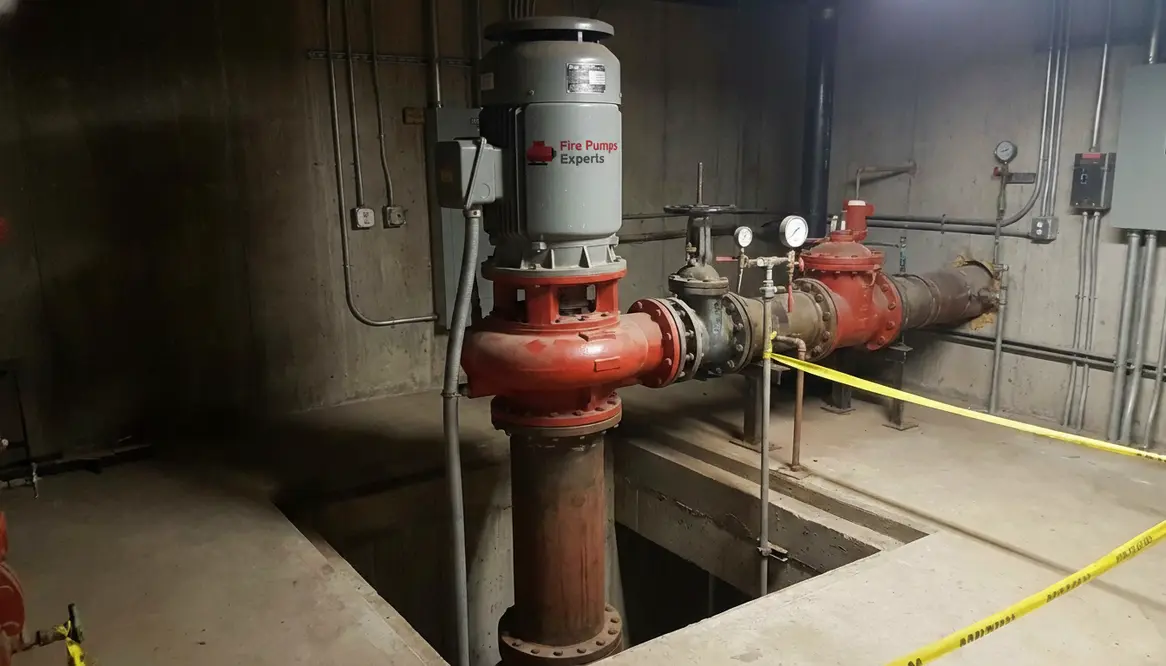
vertical turbine fire pump components explained may sound like a heavy topic, but I like to think of it as the behind the scenes crew that keeps a tall building ready for the worst day. In a commercial or industrial fire protection setup, these parts work together with quiet discipline. And yes, that includes the vertical turbine fire pump components that often sit out of sight until pressure drops and everyone suddenly cares a lot about water flow. In this article, I will break down the main parts, how they work, and why each one matters for major properties and large facilities.
What a Vertical Turbine Fire Pump Does
I always start with the job itself. A vertical turbine fire pump pulls water from a deep source such as a tank, reservoir, or well and pushes it into a fire protection system with steady force. Because many commercial and industrial properties need reliable water at a higher elevation or from a distant source, this pump design fits the job well. It handles challenging water access without acting like it has something better to do.
Unlike some other pump types, this one uses a vertical shaft and multiple pumping stages. As a result, it can move large volumes of water with strong pressure. That matters in warehouses, high rise buildings, manufacturing plants, and other major facilities where fire safety cannot afford drama.
Vertical Turbine Fire Pump Components You Should Know
The heart of the system is not just one piece. Instead, the pump depends on several parts working as a team. I like to split the vertical turbine fire pump components into two simple groups so the layout makes sense.
Core mechanical parts
These parts move the water and keep the pump running smoothly.
- Bowl assembly such as impellers and diffusers, which pull water upward in stages
- Vertical shaft, which transfers power from the motor or engine down to the pump
- Column pipe, which carries water from the bowl assembly to the discharge point
- Discharge head, which supports the unit and sends water into the system
Support and control parts
These pieces help the pump stay stable, safe, and ready for action.
- Driver, usually an electric motor or diesel engine
- Thrust bearing, which manages the upward force on the shaft
- Base plate, which anchors the pump assembly
- Pump casing and wear parts, which help reduce damage from long term use
In short, every part has a job. If one starts to fail, the whole system can lose efficiency. That is why I never treat these components like background extras in a superhero movie. They matter more than the flashy cape.
How Each Part Works Together in Real Use
Now I look at the flow. Water enters the bowl assembly first. Then the impellers lift it through each stage, which builds pressure step by step. After that, the vertical shaft keeps the motion steady from the driver to the pump end. Meanwhile, the column pipe guides the water upward without wasting energy.
The discharge head then delivers the water into the fire protection piping. Because the pump sits vertically, it can handle deeper water sources while saving floor space. That makes it a smart choice for large properties where every square foot already has a job and probably a time sheet.
Also, the thrust bearing and base plate keep the system stable during operation. Without them, vibration and wear would rise fast. Therefore, good design is not just about pushing water. It is about keeping the entire unit balanced under stress.
What to Check During Inspection and Maintenance
Inspection is where prevention earns its keep. I always recommend checking the visible and working parts often, especially in commercial and industrial facilities where uptime matters. A small issue can become a costly one if nobody pays attention.
Here is what I focus on:
- Look for shaft wear, misalignment, or unusual vibration
- Check the driver for smooth startup and proper operation
- Inspect the bowl assembly for scale, rust, or debris buildup
- Make sure the discharge head stays secure and leak free
- Confirm that the pump starts and performs under test conditions
Regular maintenance also helps protect the pump from corrosion and mechanical stress. And if a facility depends on fire water every minute of the day, then testing is not optional. It is part of doing business the right way.
Why These Parts Matter for Commercial and Industrial Buildings
For major properties, a fire pump does more than move water. It supports life safety, property protection, and business continuity. A vertical turbine setup works especially well where water must come from below grade or from a remote source. That makes it a strong fit for large campuses, plants, storage sites, and high rise structures.
If you want a deeper look at system options and service support, I suggest reviewing this commercial fire pump resource. Also, for local service insight, see this los angeles vertical turbine fire pump service. Both can help you compare what a facility may need before choosing a path.
In practice, the right parts, installed correctly, can mean the difference between stable pressure and a very bad day. And nobody in a serious facility wants to explain weak fire protection with a shrug and a coffee stain.
FAQ
Conclusion
If you manage a commercial or industrial facility, now is the time to look closely at your fire pump setup. I recommend reviewing your system, checking each component, and making sure your pump can do its job when it counts. A well kept vertical turbine fire pump supports safety, uptime, and peace of mind. If your property depends on reliable fire protection, take the next step today and confirm your system is ready.