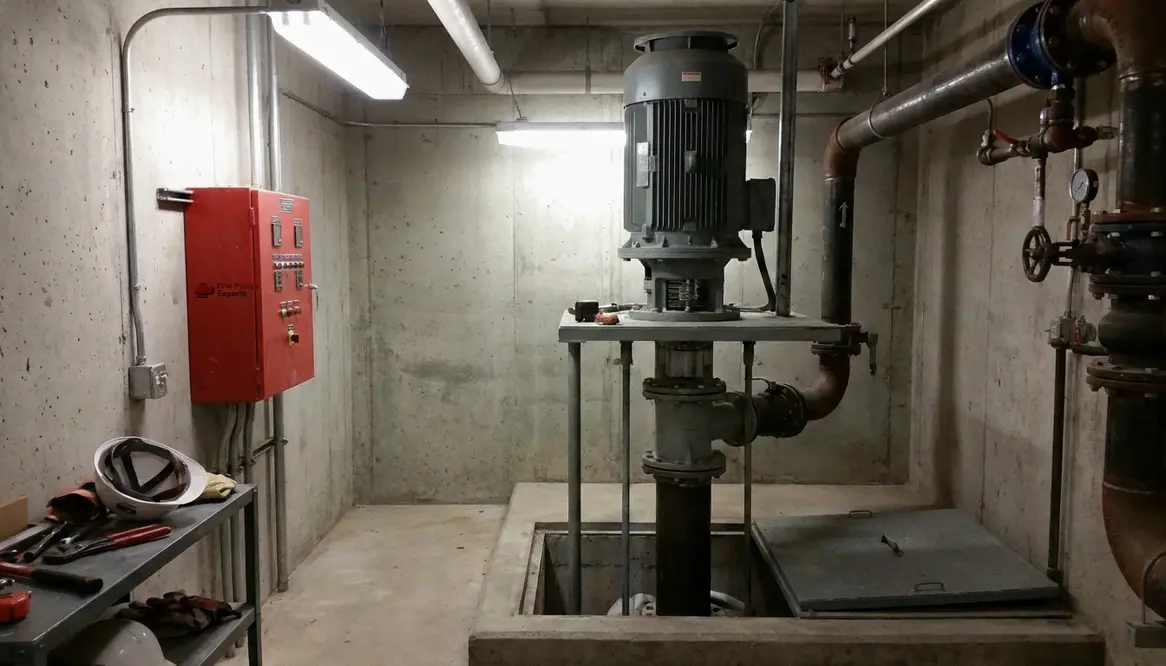
Vertical Turbine Fire Pump Installation Key Design Considerations
When I look at a vertical turbine fire pump installation, I do not see just a pump in a pit. I see the quiet muscle that protects a commercial tower, a warehouse, or an industrial plant when everything else has already gone sideways. And yes, this system has one job: deliver water fast, under pressure, and without drama. That is the whole point. In the next few minutes, I will walk through the design choices that matter most, because a fire pump room is no place for guesswork, wishful thinking, or “we’ll fix it later.” That later usually arrives with sirens.
Start with the site, water source, and building demand
I always begin with the basics: where the water comes from, how much the building needs, and what the site can actually support. A vertical turbine fire pump draws water from a tank, reservoir, or well, so the source must stay reliable during an emergency. If the water level shifts too much, the pump can lose prime or perform poorly. That is a bad scene, and it is not the kind of plot twist anyone wants.
Next, I match the pump to the fire protection demand. Large commercial and industrial properties often need high flow and steady pressure across long pipe runs, tall risers, and multiple hazard zones. Therefore, I review the system curve, the available suction conditions, and the required discharge pressure together. When these numbers align, the system works like a well trained band. When they do not, the whole thing sounds like a garage cover of a classic song.
How do I size the pump and driver correctly?
I size the pump by looking at the required flow, the expected head, and the full range of operating conditions. Then I check the driver, which may be electric or diesel, to make sure it can handle the load with room to spare. A pump that is too small will struggle. A pump that is too large can waste energy and create control issues. So, balance matters.
Also, I pay close attention to the bowl assembly and impeller settings. These details shape how the pump performs at different water levels. In a vertical turbine fire pump installation, even a small design miss can turn into poor efficiency or vibration later. Nobody wants a machine that hums like it knows a secret and refuses to tell it.
Make the layout work for maintenance and code compliance
A smart layout saves time, money, and future headaches. I want enough space around the pump, driver, controls, and piping so crews can inspect, service, and test the system without performing a circus act. Clear access matters. So does proper lighting, ventilation, drainage, and safe equipment removal paths.
Here, I also follow the code and the listing rules with care. Fire pump rooms and related equipment must meet strict standards, especially for major property buildings and industrial facilities. If the room feels cramped, chaotic, or hidden behind three locked doors and a pallet rack, then the design needs work. A clean layout supports fast testing, better service, and fewer surprises during an emergency.
Vertical turbine fire pump installation: piping, suction, and control details
This is where many projects either shine or stumble. The suction piping must support smooth flow into the pump. I avoid sharp bends, poor alignment, and anything that can create turbulence. Likewise, I check the discharge side for proper valves, gauges, and support so the piping does not hang on the pump like an overeager backpack.
Design checks that keep things steady
For better clarity, I break the main design checks into two columns:
Column 1
Pump setting depth
Water level changes
Suction flow path
Bowl assembly position
Column 2
Driver capacity
Control panel location
Discharge valve access
Vibration control
Also, I never ignore controls. The controller, power source, alarms, and test features must work together with the pump. If the system cannot start cleanly, then all the mechanical strength in the world will not help. A fire pump is only as useful as its control path. That is not poetry. That is just expensive reality.
What testing should I plan before turnover?
I plan for flow testing, start up checks, and full inspection of the installation before handoff. First, I verify alignment and rotation. Then I confirm that the driver starts as expected and that the pump reaches the needed pressure and flow. After that, I review vibration, leakage, and control response.
Testing also helps catch issues that drawings never reveal. For example, a system may look perfect on paper, yet field conditions can expose suction limits, bad supports, or weak electrical coordination. So, I treat testing like the final rehearsal before opening night. No one wants the fire protection version of a movie sequel that nobody asked for.
How I improve long term reliability
I design for service, not just for day one. That means I think about corrosion control, routine inspection, spare parts, and easy access to critical components. I also think about how the system will age in a commercial or industrial setting where heat, dust, vibration, and heavy use can wear equipment down over time.
For helpful background on system service and project planning, I recommend this commercial fire pump resource. If your project is in Southern California, you can also review this los angeles fire pump installation guide for local support and service insight.
FAQ
Conclusion
If you are planning a vertical turbine fire pump installation, I recommend treating the design like a life safety strategy, not just a mechanical task. The water source, pump size, layout, piping, controls, and testing all need to work together. When they do, the system stands ready for the moment it matters most. If you want support for a commercial or industrial project, take the next step now and build the system right the first time.