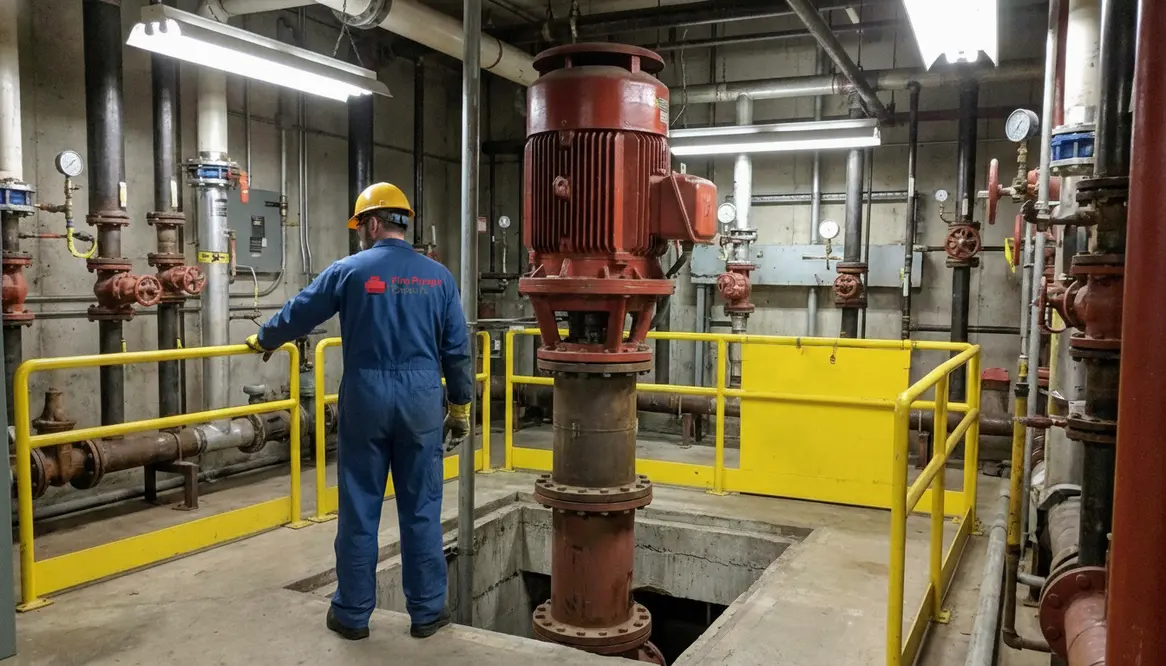
Vertical Turbine Fire Pumps: How They Work
When I talk about fire protection for large buildings, industrial plants, and heavy duty sites, I always come back to the vertical turbine fire pump. It handles deep water sources, pulls strong pressure, and steps up when the system needs serious fire flow. That matters because in a real emergency, nobody wants a pump that acts like it is thinking about it. Fire protection needs instant action, not a dramatic pause worthy of a soap opera.
In commercial and industrial facilities, this pump plays a key role where water sits below ground level or where the site needs reliable suction from wells, tanks, or reservoirs. I am going to break down how it works, where it fits best, and why property owners keep choosing it for major buildings and large operations.
How I Explain a Vertical Turbine Fire Pump
A vertical turbine fire pump moves water upward from a lower source into the fire protection system. It uses a vertical shaft with one or more impellers set below the ground or water line. Because the pump sits above the water source, it can lift water from deep locations where other pumps may struggle.
Here is the simple version. Water enters through the bowl assembly at the bottom. Then the impellers add pressure and push the water up through the shaft and discharge piping. As a result, the system delivers the flow and pressure needed for sprinklers, standpipes, and hydrants in large facilities.
Unlike some pump setups that rely on a flooded suction, this design works well when water comes from a tank, lake, reservoir, or underground well. That makes it a strong fit for sites where water supply is not sitting neatly at floor level, because real life rarely visits that brochure version of perfection.
Why I See It Used in Big Facilities
I see this pump used most often in commercial and industrial spaces that need dependable fire protection over a wide area. These sites often have high water demand, complex layouts, and strict safety codes. In other words, they need a pump that does not get stage fright.
The most common uses include:
- High rise buildings
- Warehouses and distribution centers
- Manufacturing plants
- Power facilities
- Refineries and processing sites
- Large campuses and mixed use properties
These properties often face one or more of these issues: low water pressure, deep water sources, or a need for high volume fire flow. Therefore, the vertical turbine fire pump fits the job well because it can move large amounts of water with steady force.
What Makes the Design Work So Well
The design works because it uses vertical lift and staged pressure. Each impeller adds energy to the water, and that helps the pump reach the system demand. Meanwhile, the vertical layout saves floor space, which matters in tight mechanical rooms or crowded utility areas.
Dual view: key parts and what they do
- Bowl assembly: Sits below the water source and starts the pumping action
- Shaft: Carries power from the driver to the impellers
- Column pipe: Moves water upward through the pump body
- Driver: Usually a motor or engine that turns the shaft
- Discharge head: Sends water into the fire protection system
This setup gives the pump both reach and muscle. Also, because the bowl assembly sits in the water, the pump can handle deep sources without losing the performance needed for fire protection.
How I Compare It to Other Fire Pumps
I usually compare this pump to horizontal split case pumps and end suction pumps. Those pumps work well in many systems, but they do best when water supply and space conditions are different. A vertical turbine fire pump shines when the source is below ground level or when suction lift is part of the design.
For example, a horizontal pump may need a more direct flooded suction setup. However, the vertical turbine style can pull from deeper water sources and still maintain strong output. That flexibility makes it a smart choice for many major properties. If you want a deeper look at fire pump system selection, I recommend reading this related resource: fire pump system planning for commercial and industrial buildings.
Where I Recommend It for Commercial and Industrial Use
I recommend this pump when a property has one or more of the following needs:
- Deep water source access
- High fire flow demand
- Limited pump room space
- Large site coverage
- Strict fire code requirements
It also works well where water comes from a storage tank or reservoir instead of the city line. That matters for industrial facilities that need more control over supply and pressure. So, while the pump itself may look like a tall metal tower with a serious attitude, it solves a very practical problem.
When I Think Maintenance and Testing Matter Most
Good performance depends on good care. Therefore, I always stress inspection, testing, and upkeep. A fire pump should not sit like a forgotten prop from an old movie. It needs attention so it works when people need it.
Regular checks should cover alignment, bearings, seals, driver condition, vibration, and discharge pressure. In addition, teams should test the system under real operating conditions on a set schedule. That helps catch issues before they turn into expensive surprises.
FAQ
Quick answers to the questions that come up when a vertical turbine fire pump is on the shortlist.
Need the Right Pump for Your Property?
If you manage a commercial or industrial facility, I suggest looking at your water source, pressure needs, and code demands now, not after a fire alarm turns your day into a plot twist. A well chosen vertical turbine fire pump can protect major properties with confidence and consistency. If you want expert support for Los Angeles commercial fire pump needs, visit los angeles vertical turbine fire pump services and take the next step toward a safer system.