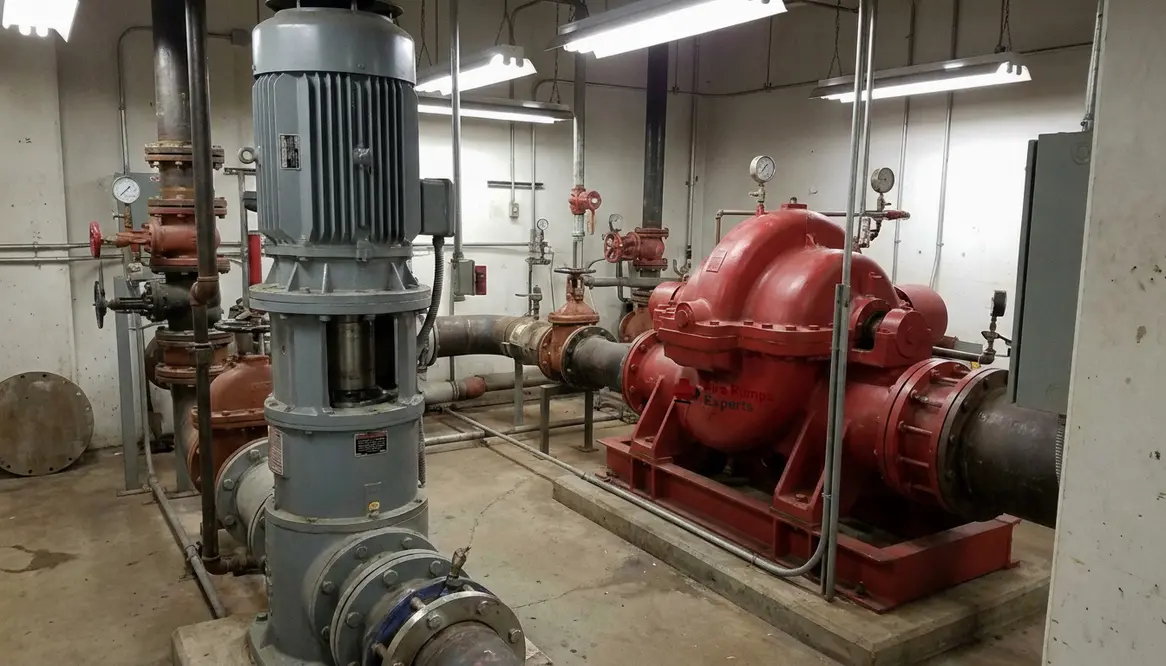
Vertical Turbine vs Horizontal Split Case Fire Pumps
When I compare a vertical turbine vs horizontal split case fire pump, I look at one thing first: which pump will protect a commercial or industrial building with the least drama and the most confidence. After all, fire protection is not the place for guesswork, and nobody wants a pump that acts like a diva when the pressure drops. In this article, I will walk through the real differences, the best use cases, and the details that matter for major properties, warehouses, high rise buildings, and industrial sites. Let’s keep it practical, clear, and just a little less boring than a training manual from 1998.
What each pump does in a fire protection system
A vertical turbine fire pump pulls water from a below ground source, such as a tank, reservoir, or well. It uses a vertical shaft and sits over the water source, which makes it a strong choice when suction conditions are tough. On the other hand, a horizontal split case fire pump sits on a horizontal base and uses a split casing that allows easier access for service. I see this design often in large commercial systems where flow demand stays high and reliability matters every single day.
Both pumps support fire sprinkler and standpipe systems, but they solve different problems. Therefore, I match the pump to the water source, space limits, and maintenance plan. That is the real game. Not glamour. Just performance.
vertical turbine vs split case fire pump: how I compare them for major buildings
When I weigh a vertical turbine against a split case pump, I focus on five core points: water source, space, service access, efficiency, and installation needs. A vertical turbine fire pump shines when the water supply sits below grade. Since it draws from a tank or sump, it avoids the suction issues that can trip up other pumps. So, if a site has limited above ground room or a deep water source, this pump can be the calm, steady hero in the story.
A horizontal split case fire pump, however, works best where the water source sits close to the pump and the site has room for a wider footprint. Because it uses a split casing, maintenance teams can access the internal parts without fighting the whole assembly like it owes them money. That makes service easier and often faster. For busy commercial properties, that can matter a lot.
Vertical turbine
Best for below ground water sources, tight surface space, and deep suction conditions.
Horizontal split case
Best for high flow needs, easier maintenance access, and mechanical rooms with more floor space.
Quick reminder
A good vertical turbine vs split case fire pump choice starts with your water source and service plan.
Which pump works better for commercial fire protection
I usually say the better pump depends on the site, not the sales pitch. For example, a high rise, hospital, data center, or industrial plant may need different pump behavior based on water supply and code needs. If the facility uses a tank below the pump room, a vertical turbine may be the smarter choice. However, if the building has a strong supply line and enough room for a larger pump set, a horizontal split case pump often gives easier upkeep and strong flow performance.
In simple terms, I think of it like this: the vertical turbine handles awkward water access like a pro, while the horizontal split case handles service and high volume with less fuss. Both can do the job well, but each one wants its own stage. Even Batman needed the right tools.
Installation, service, and long term use
Installation can shape the whole life of a fire pump system. A vertical turbine fire pump needs careful alignment, especially because the shaft runs down toward the water source. So, I pay close attention to setup, because a small mistake there can turn into a much bigger headache later. The benefit is clear: it can work very well where suction lift would cause trouble for other pump styles.
A horizontal split case fire pump usually offers a more direct install in pump rooms with stable floor space. In addition, service teams often like its access points, since they can inspect and repair internal parts more easily. That can reduce downtime, which matters when a facility must stay ready around the clock.
What I tell facility managers before they choose
I ask three questions right away. First, where is the water source? Second, how much room does the pump room really have? Third, who will maintain the system over time? Those answers usually point to the right choice. And yes, I keep the discussion grounded in the needs of commercial and industrial properties only, because that is where these systems earn their keep.
For readers who want a deeper look at fire pump systems for major properties, I also recommend this commercial fire pump guide for large facilities. Also, for a local resource, see los angeles fire pump solutions for commercial buildings.
FAQ
A fast set of answers for your vertical turbine vs split case fire pump comparison.
Which is better for deep water sources?
A vertical turbine fire pump.
Which pump is easier to service?
A horizontal split case fire pump.
Which pump fits tight floor space?
A vertical turbine pump often works better.
Which pump suits large flow demand?
A horizontal split case pump usually fits better.
Do both work in commercial fire systems?
Yes, for commercial and industrial facilities.
Can either pump support high rise protection?
Yes, if the system design matches the site.
Conclusion
I see the vertical turbine vs horizontal split case fire pump decision as a design choice with real stakes, not a matter of taste. The right pump depends on water source, room layout, service needs, and long term reliability. If you manage a commercial or industrial facility, I recommend reviewing your site conditions before you choose. When you want a fire pump plan that fits the building and the code, take the next step and speak with a specialist who works with major properties every day.
If you are still sorting out the vertical turbine vs split case fire pump tradeoffs, focus on the basics: where the water lives, how the pump room is laid out, and how service teams actually access the equipment.
A quick positioning check
For a vertical turbine vs split case fire pump comparison, deep below-grade sources often lean vertical, while stable room layouts and servicing access often lean split case.
Service reality matters
When the facility schedule cannot afford long downtime, the vertical turbine vs horizontal split case fire pump choice should match how your team maintains equipment.