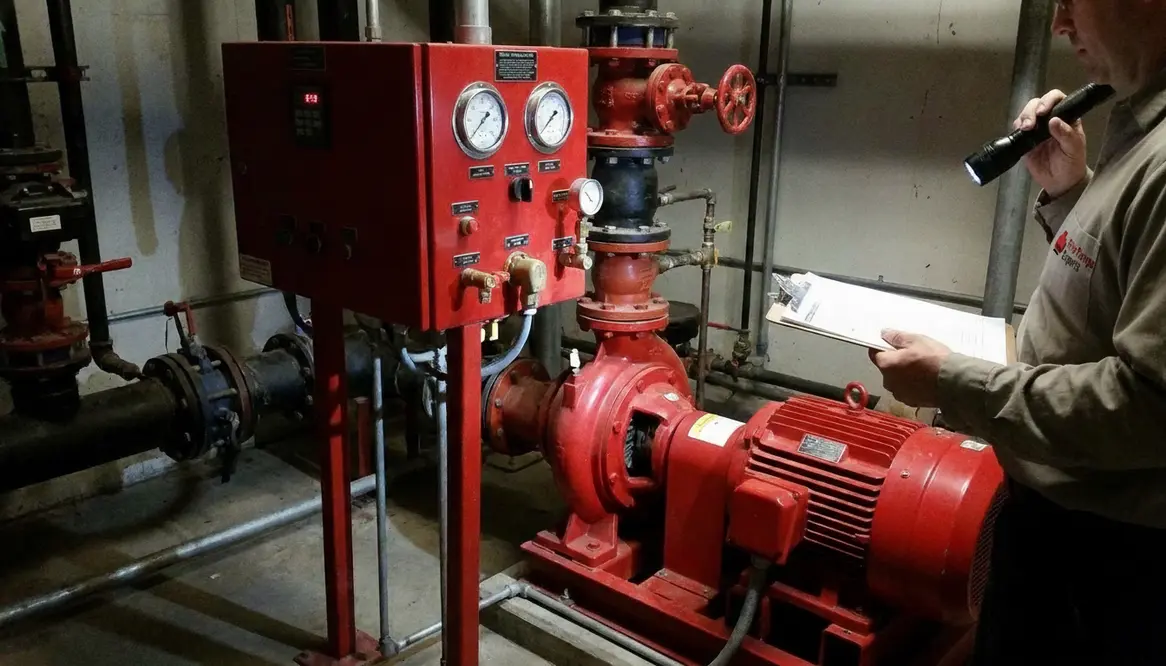
Weekly Fire Pump Testing: Practical Guide
Fire Pump Weekly Testing Requirements matter more than most people think. I have seen building teams treat pump testing like a sleepy little checkbox, right up until the day the sprinkler system needs real muscle. That is when weekly fire pump testing proves its worth. It confirms the pump can start, run, and move water when the pressure drops. For commercial and industrial facilities, and for major property buildings, this weekly habit can mean the difference between a controlled incident and a very expensive headline.
In this guide, I will walk through what the testing should include, why it matters, and how to build a smooth routine that keeps your system ready. I will keep it practical, because nobody wants a fire protection plan that reads like a tax manual. Even Batman likes a backup plan.
What weekly fire pump testing should cover
At its core, weekly fire pump testing checks that the pump starts properly and runs without trouble. I always begin with the basics, because the basics are where the truth lives. First, I look at the pump controller, power supply, and pressure readings. Then I confirm the pump starts by the correct method, whether automatic or manual, depending on the system design.
Next, I check for signs that the pump is struggling. For example, I watch for odd noises, vibration, leaks, overheating, or pressure that does not match normal operation. If the pump runs but sounds like it is auditioning for a horror movie, that is a clue. I also review valves, gauges, and fuel or water supply where needed. A weekly test should never feel random. It should follow the system design and site procedures every time.
Why weekly fire pump testing matters for commercial sites
Commercial and industrial properties carry real risk. Large floor areas, equipment loads, storage areas, and complex layouts all raise the stakes. That is why weekly fire pump testing requirements are not just paperwork. They support life safety and protect expensive assets.
Regular testing helps spot small issues before they become major failures. A weak seal today can become a flooded room later. A bad controller contact can stop a pump when the system needs flow most. Also, insurers, facility managers, and fire safety teams often expect a clear record of testing. So, when a review comes around, you want clean notes, not a shrug and a coffee stain.
Just as important, weekly checks help the team stay familiar with the equipment. When people know the system, they respond faster. And in a real event, speed matters. Every second counts, and the pump should not be meeting the moment for the first time under pressure. Keep it consistent, keep it documented, and keep weekly fire pump testing at the center of the routine.
How I run a weekly fire pump inspection checklist
I like to keep the checklist simple, clear, and repeatable. That way, the team can move through it without missing key steps. Here is the flow I use:
Checklist item
Controller status
Pump start
Pressure levels
Run time
Physical condition
Valves and supply
Logs and notes
What I confirm
Normal power, no alarm trouble, no fault lights
Starts on schedule or test method without delay
Readings stay within expected range
Pump runs long enough to verify stable operation
No leaks, rust, overheating, or strange sound
Valves open, supply ready, no obvious blockages
I record results, time, and any repair need
After the test, I document everything right away. I never trust memory alone. Memory is a fine friend, but it does not always show up to work. If the test reveals a problem, I flag it fast and arrange service before the next scheduled check. That rhythm is the difference between weekly fire pump testing that looks busy and weekly fire pump testing that actually protects.
Weekly fire pump testing procedure that keeps things simple
A good weekly fire pump testing procedure should reduce confusion, not add it. I start by making sure the area is safe and clear. Then I notify the right staff, because nobody enjoys a surprise pump start during a quiet shift. After that, I follow the site test method and observe the pump closely as it starts and runs.
I also compare the results to the normal operating range for that system. If pressure drops too low or the pump fails to respond the way it should, I treat that as a real issue, not a small annoyance. Then I report it, document it, and push for correction. This is especially important in large buildings where one weak link can affect a lot of people and property. Done consistently, weekly fire pump testing becomes a reliable early warning system instead of an annual surprise.
Where to get help with fire pump testing
When I need support, I look for specialists who understand commercial and industrial fire protection systems. That matters because these systems are not the same as smaller property setups. They demand experience, careful checks, and solid records. For more guidance on pump service and fire protection support, I suggest reviewing fire pump testing services from Kord Fire. You can also explore Los Angeles fire pump solutions for more local service insight.
If you are tightening your program, keep weekly fire pump testing centered on performance, observation, and documentation. If something feels off during the weekly run, do not “wait until next week” and hope the pump is in a good mood. Get eyes on it, confirm the numbers, and keep the system ready for the moment it matters.
FAQ
Conclusion
If you manage a commercial, industrial, or major property building, I urge you to treat weekly fire pump testing as a priority, not a chore. It protects lives, supports compliance, and keeps your system ready when pressure falls and response matters most. I recommend building a clear routine, keeping strong records, and fixing problems fast. If you want dependable support, now is the time to review your testing plan and strengthen it before the next alarm does the talking.