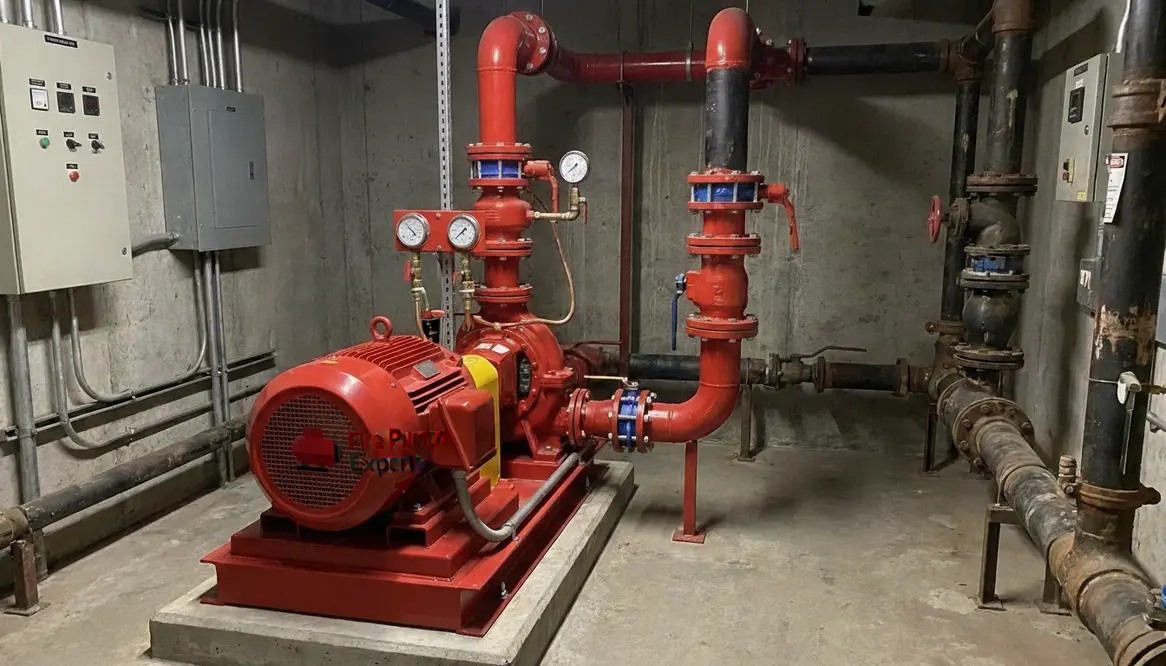
What Changes After Fire Pump Replacement
What Changes After a Fire Pump Is Replaced?
When I walk a commercial or industrial property through a fire pump replacement, I always remind them that the new pump is not just a shiny box in the corner. It changes how the whole fire protection system behaves. After fire pump installation, the building may get better water pressure, faster response, and a more stable fire flow. Then comes fire pump acceptance testing, where I verify that the system performs the way it should, not the way it hopes to. In a major property, that difference can matter a great deal. And yes, this part is serious, but I promise not to make it feel like a tax seminar in a wind tunnel.
Below, I will break down what changes after the swap, what owners should expect, and why the first few checks after startup matter so much.
How the system behavior changes right away
Once I replace a fire pump, the system often responds faster and more cleanly. The old unit may have struggled with wear, weak output, or poor pressure control. In contrast, the new pump usually delivers steadier flow and more reliable pressure across the fire protection network. That matters in commercial towers, warehouses, and industrial plants where water demand can rise fast and without warning.
At first, the pump room may also sound different. A new pump often runs smoother, with less vibration and less mechanical noise. That is not just a comfort bonus. It can show that the unit aligns better with the system and the base support. Think of it like swapping out an old movie projector for a crisp new screen. Same show, better delivery. And in this case, the show is not a comedy special.
What changes during fire pump acceptance testing
After installation, I move into fire pump acceptance testing to confirm performance. This step tells me whether the pump meets the expected demand under real conditions. I check flow, pressure, starting method, power supply, and controller response. I also watch for leaks, odd noise, and pressure drops that should not be there.
Acceptance testing often reveals the true condition of the entire system, not just the pump. For example, if the suction line has a problem, the new pump may still struggle. If the controller settings are off, the pump may start late or behave in a way that looks almost sneaky. Machines can be dramatic too, apparently.
What building owners should expect after fire pump installation
After fire pump installation, I usually expect a short period of adjustment. The building team may need to review alarms, maintenance schedules, and restart procedures. In some cases, the new pump may require minor tuning after the first test cycle. That is normal. It is not failure. It is the system learning its new rhythm.
Owners should also expect better documentation. I always recommend keeping test records, startup notes, and service reports together. That helps with compliance, future inspections, and emergency planning. It also saves time when someone asks, “When was this last tested?” which is the kind of question that always arrives five minutes before lunch.
What changes in maintenance and daily checks
A replaced pump changes the maintenance plan in useful ways. First, the team should follow the new service schedule from the maker. Second, I advise staff to watch the pump room more closely during the early weeks. Small changes in heat, pressure, or sound can signal a setup issue.
Here is a simple view of what often changes:
Daily or weekly checks
- I check controller lights and alarm signals
- I look for leaks, loose fittings, and unusual heat
- I confirm suction and discharge readings stay steady
Monthly or scheduled checks
- I test run the pump under the proper method
- I review power source performance and transfer steps
- I compare results with the baseline from acceptance testing
These steps keep the system ready for a real fire event. They also help me catch drift before it turns into a costly repair. A pump does not usually fail with a dramatic speech and a final bow. It tends to whisper first.
How the replacement affects compliance and records
After a replacement, the compliance file changes almost as much as the hardware. I update test reports, service notes, equipment tags, and inspection logs. For commercial and industrial properties, that paper trail matters because insurers, code officials, and facility managers may all want proof that the system works as designed.
If the property is large or complex, I also suggest reviewing related fire protection systems at the same time. For example, I often point teams to resources like commercial sprinkler support and electrical services for critical systems so they can keep the whole protection setup in sync. You can also review los angeles fire pump services for more local support options. A pump does not work alone, and neither should the paperwork.
FAQ
Conclusion
After a fire pump replacement, the whole protection system enters a new chapter. I see stronger performance, cleaner testing results, and better peace of mind when the work gets done right. If your commercial or industrial facility needs a new pump, I can help you plan the job, complete testing, and keep the system ready. Reach out today, and let me help you protect the building before trouble ever gets a chance to knock.