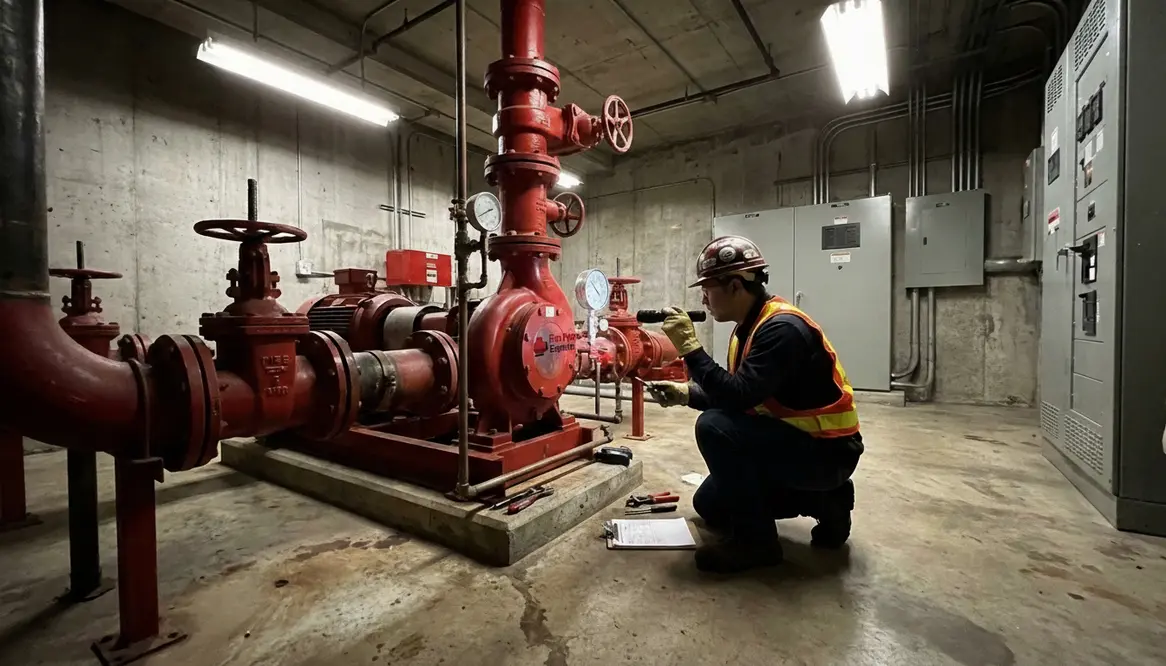
Fire Pump Inspection Los Angeles High Rise Guide
Fire Pump Inspection Requirements for Los Angeles High Rise Buildings matter more than most people realize. In a tall building, a fire pump is not just another piece of equipment sitting in a mechanical room doing its quiet little job. It is the muscle behind the sprinkler system when pressure drops and the stakes rise. I have seen how fast a small issue can turn into a big headache, especially in a city like Los Angeles where high rise safety rules do not play around. So, if you manage a commercial tower or major property, this guide will help you understand what inspection really means and why it deserves your full attention.
Why fire pump inspections matter in tall buildings
In a high rise, water has a long climb ahead of it. That is why the fire pump must perform exactly when called. I always tell property teams that a fire pump is like the backup quarterback in a movie nobody wants to watch, but everybody needs when the moment comes. If the system fails, the whole building feels it. That is why fire pump inspections protect tenants, assets, and operations at the same time.
Los Angeles properties also face strict life safety expectations, and commercial towers often have more complex systems than lower buildings. Therefore, inspections are not just about checking a box. They help confirm that the pump, controller, power supply, valves, and alarms all work together as one system. If one part slips, the rest can follow. And nobody wants that kind of surprise on a Monday morning.
What I check during a fire pump inspection
When I look at fire pump inspection requirements Los Angeles high rise properties, I focus on the full chain of performance. First, I check the pump room condition. Then I move through the equipment and the controls. This process helps me catch wear, leaks, heat issues, and weak signals before they become costly problems.
Here is the basic inspection flow I follow:
- I inspect the pump casing, suction line, discharge line, and joints for leaks or damage
- I verify the pump controller status, power source, and alarms
- I check gauges, valves, and relief components for normal operation
- I confirm the pump starts correctly under the right conditions
- I review the room for access issues, drainage problems, or blocked clearance
Also, I pay close attention to the room environment. Heat, poor ventilation, corrosion, and standing water can all cause trouble. A fire pump room should not feel like a sauna with a side of stress. It needs proper space, clear access, and solid working conditions so the system can do its job without drama.
How testing and inspection work together
Inspection and testing are related, but they are not the same thing. Inspection looks at condition and readiness. Testing proves performance. That difference matters. For example, I may see a pump that looks fine, but a test can reveal weak pressure, delay in starting, or controller issues. In other words, the machine may look dressed for success, yet still fail the audition.
For commercial and industrial facilities, NFPA 25 guidance plays a major role in this process. I often point clients to a practical NFPA 25 fire pump testing requirements guide because it helps explain how routine testing supports compliance and reliability. That reference is especially useful for major properties that need to align maintenance with real code expectations instead of guesswork and wishful thinking.
To keep the process clear, I usually separate the work like this:
Inspection side
I check physical condition, room access, visible wear, and system readiness.
Testing side
I confirm the pump starts, runs, and performs at the needed pressure and flow.
Documentation side
I record the results, note any deficiencies, and track follow up work.
What Los Angeles property managers should plan for
If I manage a high rise in Los Angeles, I do not wait for a complaint or a fire department visit to think about the fire pump. I build a routine. That routine should include regular inspections, scheduled testing, and fast repair response. It should also include clear records, because paperwork may not be glamorous, but it can save the day. Bureaucracy, as they say, loves a paper trail almost as much as a detective in a crime show.
Property managers should also make sure qualified professionals handle the work. A fire pump system is too important for guesswork. The team should understand commercial buildings, industrial properties, and large occupancy demands. In addition, they should know how to spot issues that matter in a high rise, such as pressure loss, electrical faults, and control problems. That kind of detail keeps a building ready instead of merely hoping for the best.
When I recommend calling a specialist
I recommend a specialist when the pump shows abnormal noise, pressure swings, leaks, failed starts, controller faults, or repeated alarms. I also recommend support when records are incomplete or when a property prepares for an audit, insurance review, or city inspection. In those moments, speed and accuracy matter.
Here, a dual focus helps:
- Compliance keeps the building aligned with code and inspection rules.
- Reliability keeps the system ready when real emergencies hit.
That balance is the whole game. A tower can look polished in the lobby and still have a tired pump in the back. I prefer the boring kind of emergency planning, because boring means prepared.
Understanding fire pump inspection requirements Los Angeles high rise
For anyone responsible for a tall building, knowing the core fire pump inspection requirements Los Angeles high rise properties face is part of basic survival. These expectations tie into national standards, local amendments, and the practical realities of tall structures that depend on stable pressure at the top floors as much as at the street level.
In practical terms, fire pump inspection requirements Los Angeles high rise buildings follow usually translate into routine visual checks, scheduled testing under specific conditions, and documented follow up when anything looks off. The goal is not to impress the inspector with a shiny room, but to keep the system ready to move serious water when a sprinkler head opens or a standpipe valve gets spun in a hurry.
When you align your internal routines with these fire pump inspection requirements Los Angeles high rise rules, you avoid last minute scrambles. Instead of hunting for records before an insurance review, you can simply pull the file, answer questions, and go back to running the building.
FAQ
Conclusion
If you manage a high rise in Los Angeles, I urge you to treat your fire pump like the critical life safety asset it is. Build a real inspection plan, keep your records tight, and work with experts who know commercial properties inside and out. If you want your building ready for code, insurance, and real emergencies, now is the time to act. Reach out, get the system reviewed, and keep your tower prepared before trouble ever shows up.