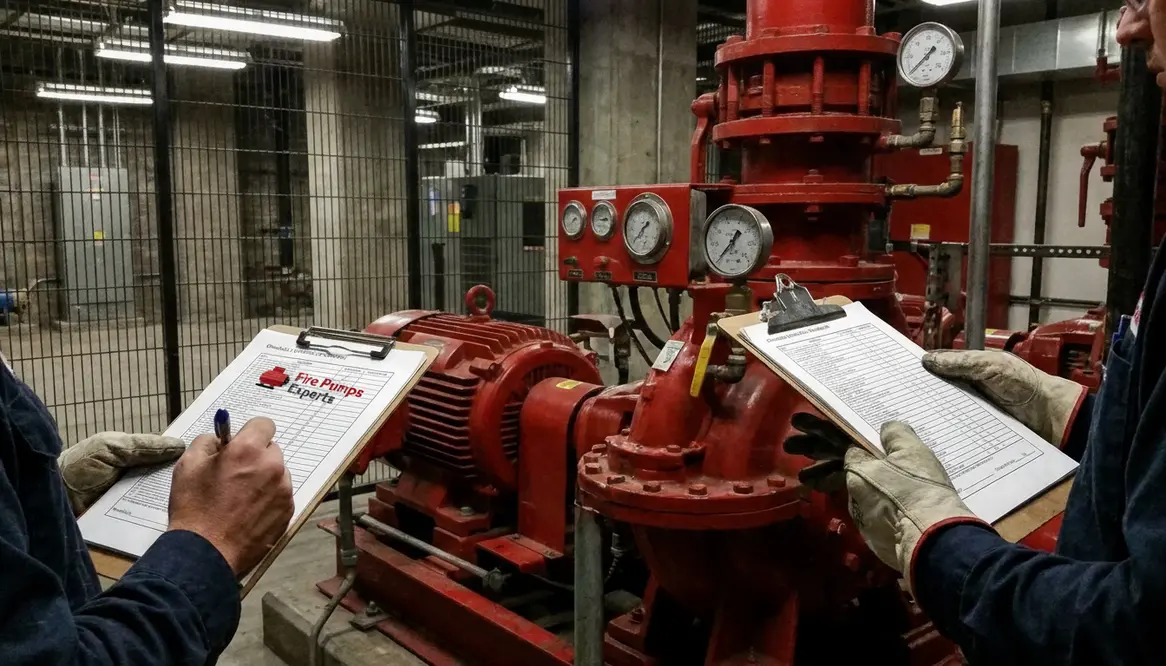
LA Fire Pump Testing Checklist for Commercial Buildings
Downtown LA Fire Pump Testing Checklist for Building Owners
When I walk through a commercial building in Downtown LA, I know one thing fast: a fire pump is not decoration. It is the muscle behind the system when water pressure gets lazy. That is why I use a fire pump testing checklist los angeles commercial buildings approach that keeps owners ready, compliant, and far less likely to meet Mr. Murphy on a bad day. In a city full of high rises, mixed use towers, and busy industrial properties, a weak pump can turn a small problem into a very expensive headline.
Below, I break down what I check, why it matters, and how building owners can stay ahead of failures without turning fire safety into a full time soap opera.
What I Check First in a Downtown LA Fire Pump Test
I start with the basics because the basics love to cause the biggest headaches. First, I confirm the pump room stays clear, dry, and easy to access. Then I inspect the pump, controller, valves, gauges, and power supply. If any part looks neglected, I treat that as a warning sign, not a quirky design choice.
I also verify that the fire pump is in normal condition before testing begins. That means valves stay in the right position, alarms work, and the unit shows no visible leaks, rust, or damage. In busy commercial buildings in Los Angeles, daily wear can hide serious issues. So I do not assume anything. Assuming is how people end up starring in the sequel nobody asked for.
Core Fire Pump Testing Checklist
Here is the core checklist I use for fire pump testing checklist los angeles commercial buildings inspections. I keep the process orderly, because fire protection should feel disciplined, not improvised.
Checklist items
- Inspect the pump room for safe access, heat, leaks, and clear space around equipment
- Check suction and discharge pressure gauges for correct readings
- Confirm the pump controller shows normal power and no active trouble signals
- Test the automatic start function to verify the pump responds properly
- Run the pump under flow conditions and record pressure and performance
- Check packing, seals, bearings, and couplings for wear or noise
- Inspect relief valves, churn settings, and test header connections
- Verify diesel fuel levels, battery condition, and engine status if the system uses a diesel pump
- Review the test log and compare results with past readings
- Document anything unusual and schedule repairs right away
Every item matters. For example, if pressure drops during a test, I want to know whether the issue comes from the pump, the water supply, or the controller. That kind of detail helps me protect the building instead of just collecting paperwork like a bored accountant in a superhero movie.
How I Read the Results Without Guesswork
Numbers tell the truth, even when people do not. I compare current test results to past records, because a slow decline often reveals more than one dramatic failure. If the pump runs louder than usual, starts late, or struggles to hold pressure, I treat that as a sign of trouble.
I also look for pattern changes. For example, if the pump performs well during churn but loses pressure under flow, the issue may involve the water supply or internal wear. On the other hand, if the controller delays startup, I check electrical components and alarms. This is where a clean record becomes gold. A solid test history helps me spot trouble before it becomes a crisis.
Fire pump testing checklist for Los Angeles commercial buildings works best when I pair it with honest notes, not guesswork. That means I write down readings, conditions, and any repair needs in plain language. No mystery. No drama. Just facts.
Common Problems I Find in Downtown LA Buildings
Downtown LA buildings face a few repeat offenders. Vibration loosens parts over time. Dust builds up in pump rooms. Heat affects electronics. In older properties, I often find aging valves or weak batteries. In newer high rises, I sometimes see systems that look fine on the surface but have weak maintenance records. Fancy lobby. Sketchy pump room. Very Hollywood, but not in a good way.
I also watch for poor access. If staff cannot reach the pump quickly, then the system loses value during an emergency. Likewise, if the test header sits blocked by storage, that is a problem waiting to happen. Fire protection equipment should never share space with random boxes, holiday décor, or the building manager’s emotional support chairs.
| What I look for | Why it matters |
| Low pressure | May signal pump wear or supply issues |
| Slow startup | Can point to controller or power trouble |
| Leaks or corrosion | Often lead to bigger failures later |
| Bad logs | Make compliance and repair tracking harder |
Keeping Compliance Simple and Consistent
I follow testing standards closely because compliance is not optional, and fire safety does not care about excuses. I also keep records organized so owners can answer questions from inspectors, insurers, and property teams without panic. When the documentation is clean, the whole process runs smoother.
For owners who want deeper guidance, I recommend reviewing this NFPA 25 fire pump testing requirements guide. It gives helpful context for commercial and industrial facilities that need a stronger grip on testing duties and intervals. I find that a good reference makes the whole job easier, especially when property portfolios stretch across multiple sites.
Why a Checklist Strategy Matters
Using a clear fire pump testing checklist los angeles commercial buildings framework keeps everyone on the same page. It turns vague “we should probably check that” conversations into repeatable steps, hard data, and documented decisions.
When the list is consistent, maintenance teams know what “normal” looks like, and owners can spot a trend before it becomes a budget emergency or a headline. It is a simple way to give a complex system a clear routine.
FAQ for Building Owners
These are the questions I hear most from owners who are trying to keep fire protection real, practical, and free from surprises. A structured fire pump testing checklist los angeles commercial buildings approach usually answers most of them before an inspector even asks.
Final Thoughts and Next Step
If I own or manage a major building in Downtown LA, I do not wait for a fire pump problem to introduce itself with fireworks. I use a clear inspection routine, I track results, and I fix issues before they spread. The right fire pump testing checklist los angeles commercial buildings method turns an intimidating system into a manageable habit that keeps people, property, and business continuity in a better place.
If you want reliable testing for your commercial or industrial property, contact a team that knows these systems well and can keep your building ready, compliant, and steady when it matters most.