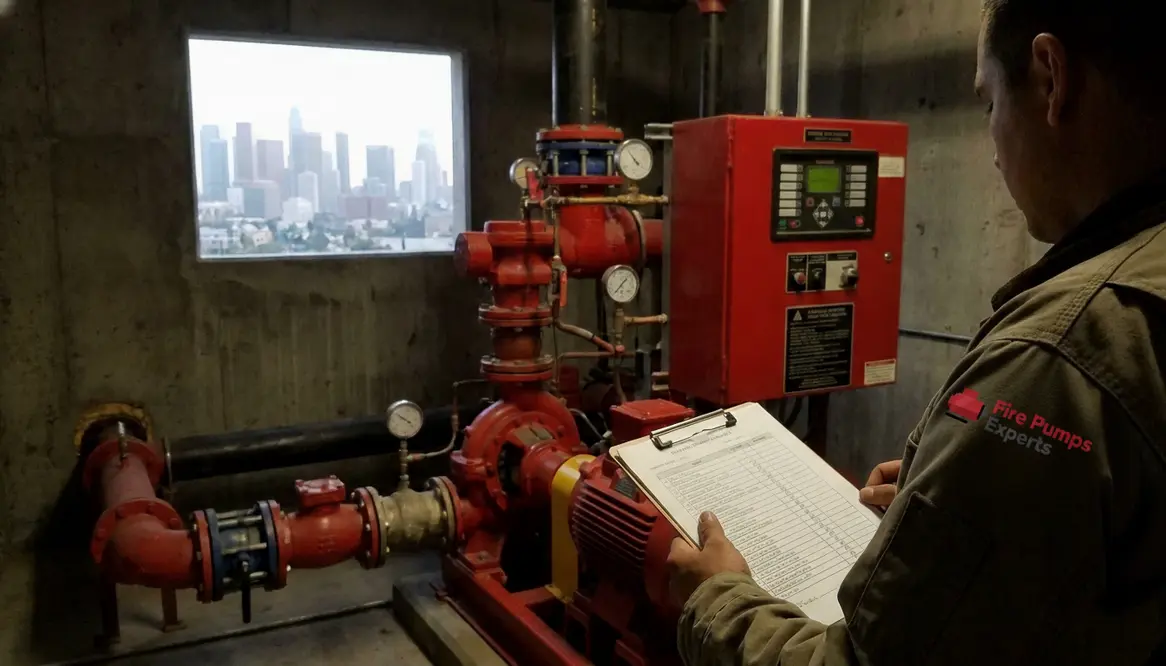
Fire Pump Maintenance Planning for Los Angeles Property Managers
A practical playbook for busy teams who want reliable fire protection without the drama.
When I talk with fire pump maintenance los angeles property managers rely on, one thing comes up fast: the job is never just about equipment. It is about people, buildings, timelines, and the kind of calm that keeps everyone sleeping at night. In a city like Los Angeles, where large commercial and industrial properties face heavy use and strict safety rules, a fire pump cannot sit in the corner and “vibe” its way into readiness. It needs a real plan. So, let me walk you through how I would build that plan, what matters most, and how to keep the whole process smooth, smart, and far less dramatic than a season finale.
The goal is simple: keep the fire pump ready, keep the paperwork clean, and keep surprises to a minimum. With the right structure, even complex sites can run a steady, predictable maintenance rhythm that fits into the rest of the building’s operations instead of fighting against it.
Why I Treat Fire Pump Planning as a Priority
I always start with the same simple truth: a fire pump is not a backup accessory. It is part of the life safety system. If water pressure drops during a fire, that pump may be the thing standing between control and chaos. That is why I treat planning as a year round task, not a once in a while chore.
For Los Angeles property managers, the stakes rise even higher. Buildings here often face dense occupancy, mixed use demands, and long operating hours. As a result, I focus on three basics first: compliance, reliability, and access. If the pump room is blocked by storage, I fix that. If records are messy, I clean them up. If a test is overdue, I move it up. No drama, no mystery, just disciplined work.
Also, local inspections can expose weak spots fast. So, I build a maintenance plan that does more than check boxes. I make sure the pump, controller, driver, valves, and power source all get attention. In other words, I plan for the whole system, because fire does not care about excuses. Fire never really says, “I only needed a portion of the equipment.”
How I Build a Monthly and Annual Maintenance Plan
I like to split the work into clear time blocks. That keeps the process simple and helps staff stay on track. For fire pump maintenance los angeles property managers can use a rhythm that looks like this:
Monthly checks
Monthly checks help me spot the first warning signs. I look at pump house conditions, pressure readings, controller status, and signs of leaks, heat, or wear. I also make sure the pump room stays clear and easy to reach.
Quarterly reviews
Quarterly reviews let me go deeper. I check valve positions, alarms, power supply health, and visible parts for damage. I also review past logs so I can catch repeat issues. Patterns matter. A tiny drip that keeps coming back is not shy. It is a clue.
Annual service
Annual service gives me the full picture. This is where I confirm the pump performs under load, inspect major parts, and review the system against current safety needs. I also verify that records match what is on site. That matters because good paperwork can save hours during an audit, and maybe a few gray hairs too.
Here is the part many managers miss: I do not just schedule the service. I schedule the people around the service. That means I alert tenants, operations teams, security, and vendors early. Then I avoid surprise shutdowns, awkward phone calls, and the classic “who moved the panel?” moment.
What I Check During Service Calls
When I am on site, I focus on the parts that tell me whether the system is ready or quietly asking for help. I inspect:
- the pump casing and seals
- the suction and discharge valves
- the driver or motor condition
- the controller and alarm signals
- the pressure gauge readings
- the power source and any backup setup
I also listen. That may sound old school, but sound matters. A pump that hums normally is one thing. A pump that growls like it just read bad reviews is another. Likewise, vibration can point to alignment trouble or wear. If I catch these signs early, I can often avoid larger repair costs later.
At the same time, I review the testing results against what the building needs. A large industrial site does not follow the same pressure demands as a smaller property, so I match the plan to the building, not the other way around. That is where experienced planning pays off. It keeps the system ready without wasting time or money.
Using Cost and Compliance Data to Plan Smarter
I like good numbers because they cut through guesswork. If I need help setting expectations for budget planning, I use trusted industry guidance such as this fire pump maintenance cost guide for facilities. It helps me frame service costs in a way that makes sense for major commercial and industrial properties.
That matters because maintenance planning is not only about today’s inspection. It is about next quarter, next year, and the budget cycle that always seems to show up faster than anyone expects. So, I use service history, equipment age, and site demands to build a plan that supports both safety and finance. That balance keeps ownership happy and keeps operations from turning into a sitcom.
Compliance also plays a major role. I make sure inspection logs, repair notes, and test results stay organized and easy to find. If an authority asks for proof, I do not want anyone digging through three cabinets and a box that says “misc.” Clear records support fast answers and smoother audits.
For fire pump maintenance los angeles property managers, this kind of data driven planning is what keeps future budgets from turning into emergency wish lists and helps justify smart upgrades before systems become a headache.
How I Keep the Plan Running All Year
Strong planning only works if I keep it alive. So, I set reminders, review service dates early, and update the plan after every visit. If a repair changes the system, I note it right away. If staffing changes, I train the next contact before the old one disappears into a new job, a new building, or a new coffee addiction.
I also keep communication simple. I give property teams clear next steps, plain language updates, and a short list of urgent items. That way, no one needs a decoder ring to understand what happened or what comes next.
In Los Angeles, where building demands can shift fast, that kind of steady follow through keeps fire pump systems dependable. And frankly, that is the whole game. For fire pump maintenance los angeles property managers juggling multiple buildings, this consistency turns what could be chaos into a routine checklist.
FAQ
These are the questions I hear most often from fire pump maintenance los angeles property managers who want a clear, workable plan.
Bringing Your Fire Pump Plan Together
If you manage a commercial or industrial property in Los Angeles, I would not wait for a warning sign to build your fire pump plan. Start with a full review, organize your records, and map out monthly, quarterly, and annual service needs now. If you want a clearer path, I suggest taking action today and setting up a maintenance strategy that supports safety, compliance, and peace of mind all year long.
For fire pump maintenance los angeles property managers, the winning formula is simple: define the schedule, assign the people, track the data, and refine the plan after every cycle. Do that, and your fire pump becomes one less thing to worry about the next time the inspection calendar shows up on your desk.